First-Time Home Buyer Guide: Hong Kong's New Projects
Explore how Kai Tak, Hung Hom developments reshape first-time buyer prospects. Learn what infrastructure timelines and neighbourhood changes mean for your Hong Kong property investment.
This article was generated by AI from the linked public sources. The Daily Hong Kong is independently owned and covers Hong Kong news free from advertiser or sponsor influence. Read our editorial standards →
Hong Kong's first-home buyers face a landscape in flux. With the median flat price hovering between HKD 8-10 million, new residential developments are reshaping entire neighbourhoods—and with them, the calculus for entry-level investors.
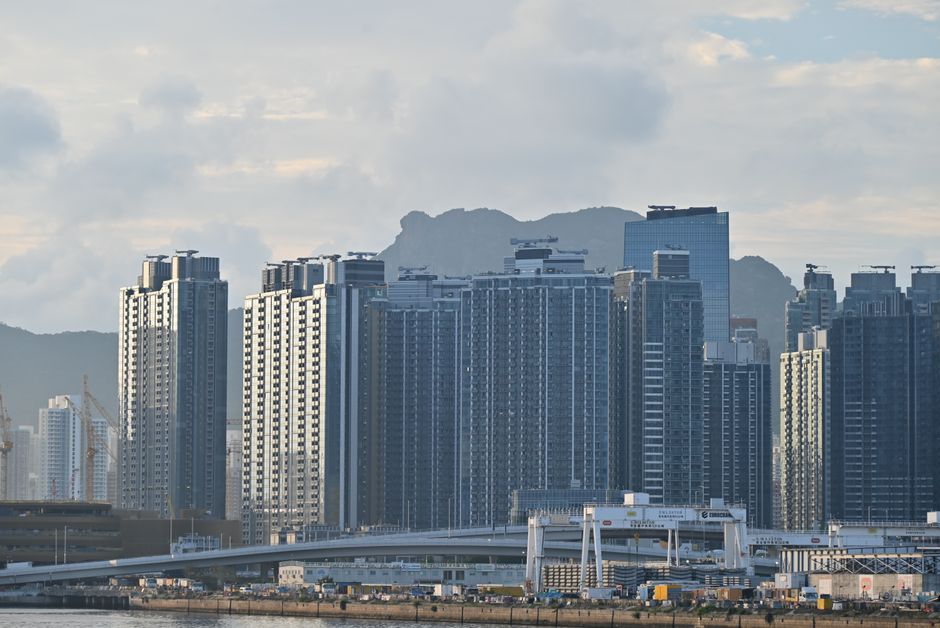
The Kai Tak Development, one of Asia's largest urban renewal projects, exemplifies this shift. What was once Hong Kong's airport is transforming into a mixed-use district with thousands of new units. For first-time buyers, this presents a paradox: prices at the early phase typically undercut established areas, but future value depends heavily on whether promised amenities—schools, transport links, retail—actually materialise. The MTR extension to Kai Tak, due for completion by 2031, will be crucial. Early buyers betting on capital appreciation must weigh completion timelines against their own financial flexibility.
The New Territories remains the traditional entry point. Yuen Long and Tuen Mun have long absorbed first-time buyers priced out of Kowloon's mid-tier market. But newer schemes like those in the North District are changing the equation. Proximity to Shenzhen via the Lok Ma Chau loop and enhanced rail connectivity mean these areas no longer feel as remote. For HKD 4-6 million, buyers can access a new two-bedroom unit versus an ageing 400-square-foot flat in Mong Kok at the same price.
However, rising development comes with risks. Infrastructure often lags construction. Schools and medical facilities can be strained during transition phases. The Housing Authority's Home Starter Loan scheme now covers up to 85 per cent of property value for first-time buyers in designated new projects, easing immediate cash flow. But buyers should scrutinise Location Value Reports from the Rating and Valuation Department—new neighbourhoods can take years to stabilise.
Hung Hom's ongoing transformation along the waterfront illustrates another consideration: gentrification. New developments can spark rapid neighbourhood evolution, bringing young professionals and premium retail to traditionally working-class areas. Rents rise. Community character shifts. For investors viewing property as wealth-building rather than lifestyle choice, this is positive. For those hoping to remain in their neighbourhood long-term, it may signal rising living costs beyond mortgage repayments.
First-time buyers should apply for First Home Buyer grants from the Land Registry and engage a surveyor to assess construction standards and developer track record. Visit completed phases of major projects to see actual finish quality, not marketing renderings.
New developments offer genuine opportunity for first-time buyers—but only with eyes wide open to both timelines and transformation.
This article was compiled by AI from the sources linked above and screened before publishing. See our editorial standards.
Covering property in Hong Kong. This article was generated by AI from the linked sources and was not reviewed by a human editor before publishing. See our editorial standards.