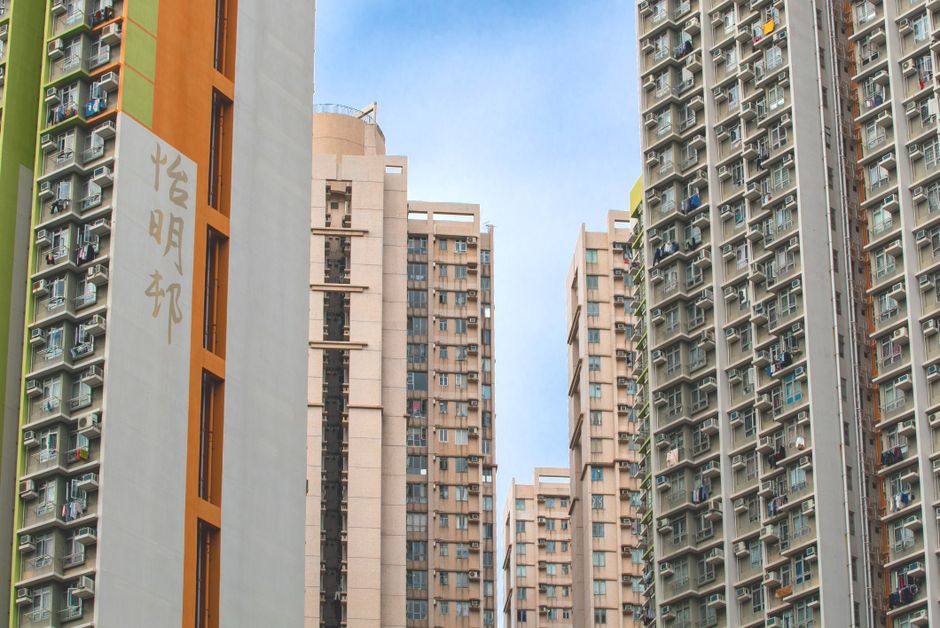
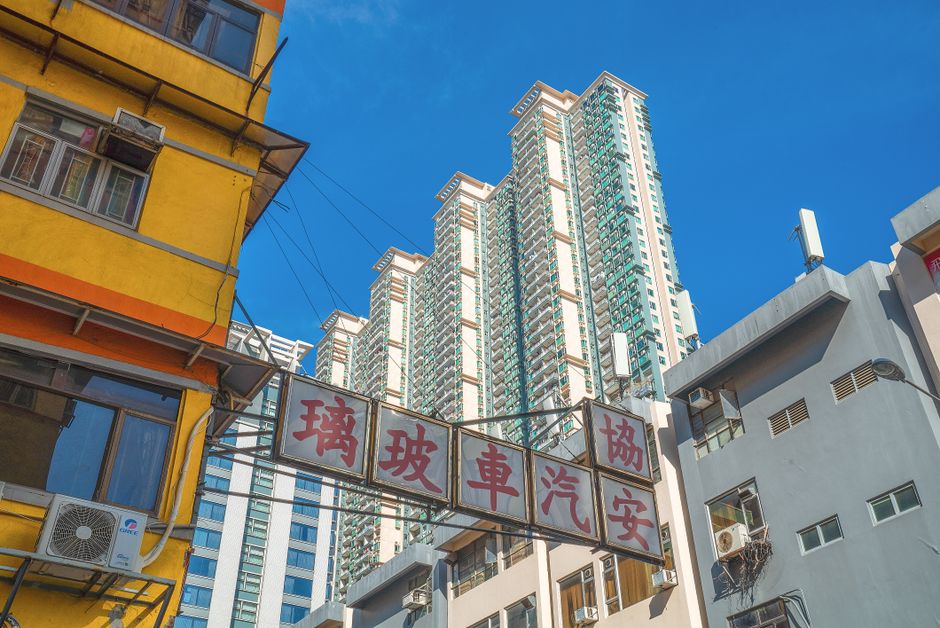
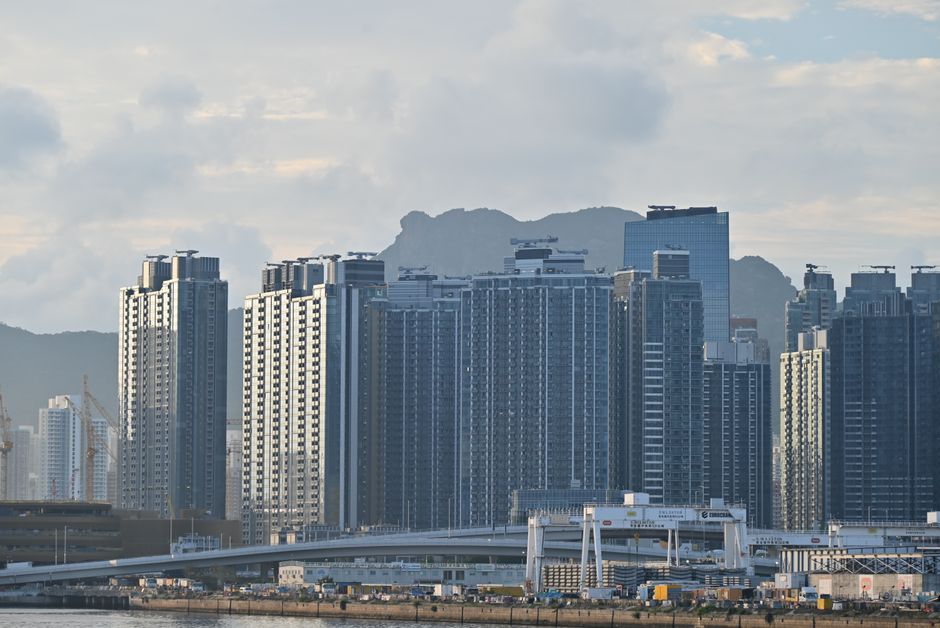
Hong Kong's rental landscape is undergoing a subtle but significant shift as new residential developments cluster around upcoming MTR extensions and waterfront regeneration zones. The Tuen Mun-Chek Lap Kok Link completion by 2027 has already sparked interest in Tuen Mun and Yuen Long precincts, where new luxury apartments are competing for tenants previously anchored to Central and Causeway Bay.
Current vacancy rates across the territory sit at approximately 3.2%, down from 3.8% a year ago—a tightening that reflects both population stabilisation and the geographic redistribution of supply. The Urban Renewal Authority's multiple projects, particularly along Des Voeux Road West and in Sham Shui Po, are introducing 3,000+ new units over the next 18 months. These neighbourhoods, historically affordable and bohemian, are seeing asking rents climb 12-15% as new glass-fronted developments with co-working spaces and rooftop gardens attract young professionals previously priced out of Quarry Bay.
"What we're witnessing is not a rental boom, but a normalisation," explains market tracking data from property databases. Rents in Kowloon remain 18-22% lower than Hong Kong Island equivalents, making Mong Kok and Prince Edward increasingly competitive. The addition of new leisure amenities—AIA Carnival nearby, renovated arcades—acts as a de facto subsidy on neighbourhood appeal.
For tenants, the guidance is straightforward: act decisively in secondary areas before rents converge. A two-bedroom in To Kwa Wan currently averages HKD 28,000-35,000; comparable Wan Chai units fetch HKD 42,000-50,000. The New Territories story is more complex. Sha Tin and Taipo, despite their mature MTR connections, remain undersupplied relative to working-age population growth. New projects in Fanling and Tai Po—closer to the emerging Lok Ma Chau Loop development—are attracting families and remote workers at HKD 24,000-32,000 for three-bedroom units.
Prospective tenants should monitor lease commencement dates tied to project completion schedules. Landlords offering move-in incentives—typically 1-2 months free rent—are most prevalent in developments still filling units, usually the first 6-9 months post-opening. The inverse applies: once occupancy hits 85%, incentive windows close sharply.
The MTR extensions and waterfront projects represent a genuine rebalancing. Vacancy may tighten, but geography now offers genuine alternatives. The advantage lies with informed tenants who understand their neighbourhood's development pipeline and time their moves accordingly.
This article was compiled by AI from the sources linked above and screened before publishing. See our editorial standards.