Hong Kong's property market has long operated like a game of musical chairs played on a vertical axis. But a series of planning decisions over the past 18 months—from the Urban Renewal Authority's accelerated projects to new zoning amendments in the New Territories—are quietly rewriting where middle-income Hongkongers can realistically build equity.
The median flat price hovering between HKD 8–10 million remains punishing for most wage earners. Yet recent policy shifts are creating unexpected pockets of opportunity, even as they simultaneously pressurize other neighbourhoods.
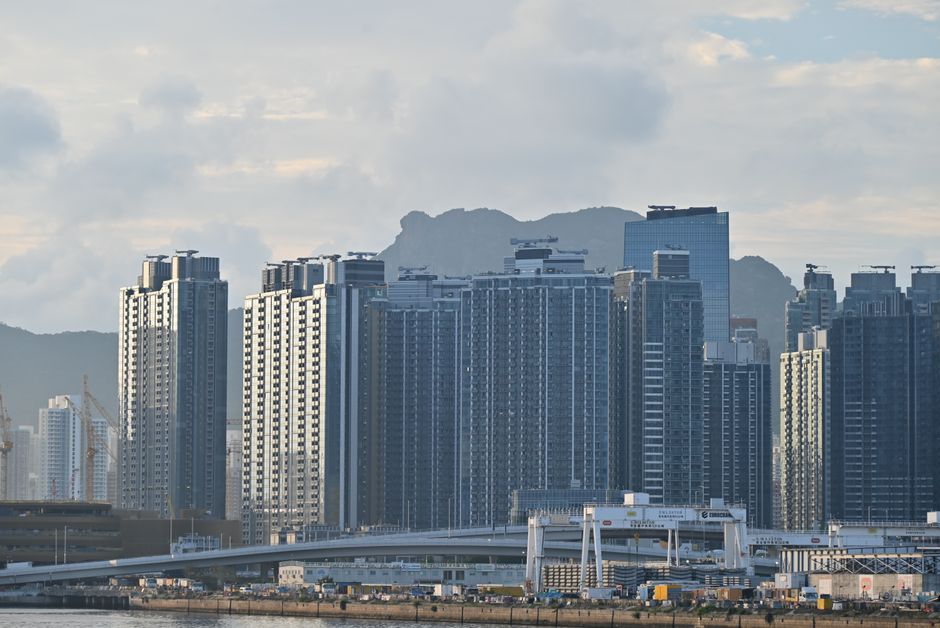
Consider Kai Tak. The former airport's transformation into a mixed-use district has attracted genuine affordability gains. New residential launches there—still years away from completion—are priced 15–20% below comparable Kowloon locations like Mong Kok or To Kwa Wan. The MTR extension and proposed commercial zones have signalled long-term value, drawing both investors and young families seeking a rare foothold in the urban core.
Conversely, the MTR's West Island Line extension planning has already turbocharged prices in Sai Ying Pun and Des Voeux Road West. What was once an affordable western corridor now commands premiums that rival Mid-Levels—a direct result of anticipated connectivity improvements and heritage conservation overlays that have reduced new supply.
The government's zoning relaxations in the New Territories—particularly around Tuen Mun and Yuen Long—promised relief. Revised planning briefs now permit higher densities and mixed-use developments. Yet transaction data reveals a complex picture: prices in these areas have risen 8–12% annually since announcements, as investors front-run completion. Affordability, paradoxically, hasn't improved for buyers; it's simply shifted the speculative focus outward.
The stamp duty concession for foreign purchasers, introduced to stimulate market confidence, has had a secondary effect: institutional capital has flowed into development sites in Tai Koo and Wong Chuk Hang, further reducing inventory for local owner-occupiers.
What's emerged is a bifurcated market. Planning policy now amplifies rather than smooths inequality. Transit nodes and conservation zones attract premium capital. Peripheral New Territories locations, despite relaxed zoning, remain trapped between affordability for the poorest and investment appeal for the wealthy.
The irony is sharp: Hong Kong's planners have identified the right pain points—connectivity, density, supply. Yet the policy instruments themselves—zoning changes, MTR extensions, conservation designations—are being capitalized upon by those already holding property. First-time buyers, as ever, chase yesterday's opportunity.
Until planning decisions actively constrain speculative acquisition or mandate genuinely affordable quotas, affordability trends will remain hostage to the timing of policy announcements, not their stated intentions.
This article was compiled by AI from the sources linked above and screened before publishing. See our editorial standards.