Squeeze Play: How Hong Kong's Shifting Rental Market Is Reshaping Lives for Tenants and Landlords Alike
As public housing waitlists swell and private rents stabilise, property owners face margin pressure while vulnerable renters navigate fewer affordable options in neighbourhoods from Mong Kok to Tseung Kwan O.
This article was generated by AI from the linked public sources. The Daily Hong Kong is independently owned and covers Hong Kong news free from advertiser or sponsor influence. Read our editorial standards →
Hong Kong's rental market has entered an unusual equilibrium—one that masks deep pressure on both sides of the tenant-landlord divide. While headline rents in prime areas like Mid-Levels have plateaued after years of growth, the middle and lower tiers of the market tell a starkly different story of compression and displacement.
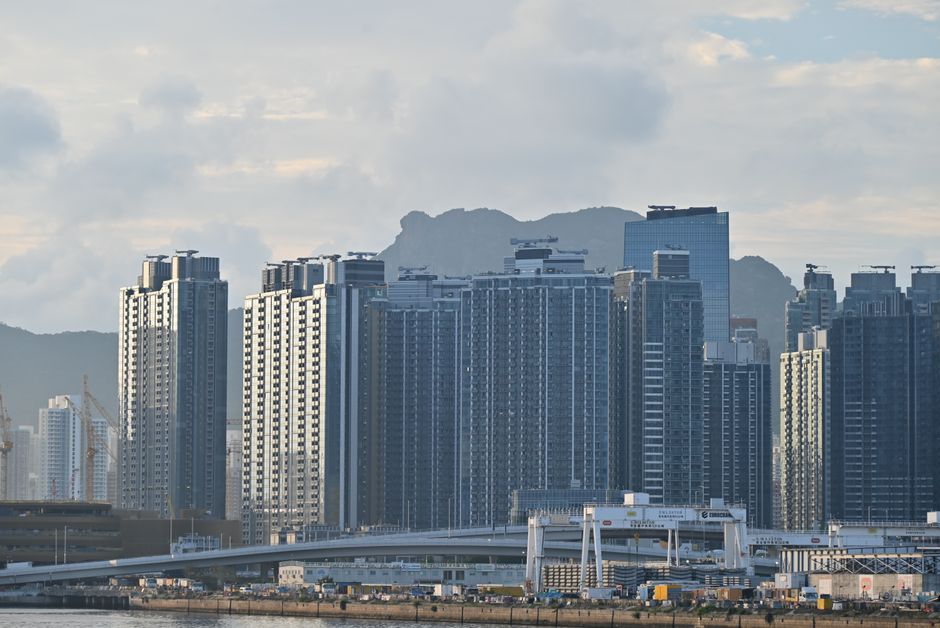
Public housing demand illustrates the scale of the crisis. The Housing Authority's waitlist exceeded 140,000 applicants earlier this year, with average waiting times pushing beyond five years for a unit in developments like those in Tin Shui Wai or Tseung Kwan O. For families priced out of private ownership—where median flat prices hover between HKD 8–10 million—rental becomes the only viable option, yet affordable units are vanishing from neighbourhoods that traditionally housed working families.
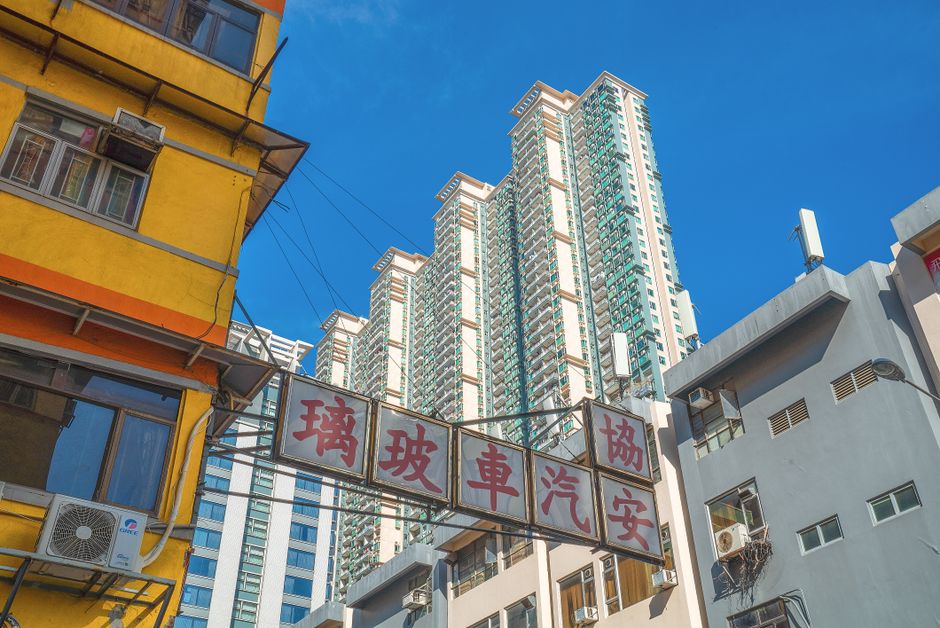
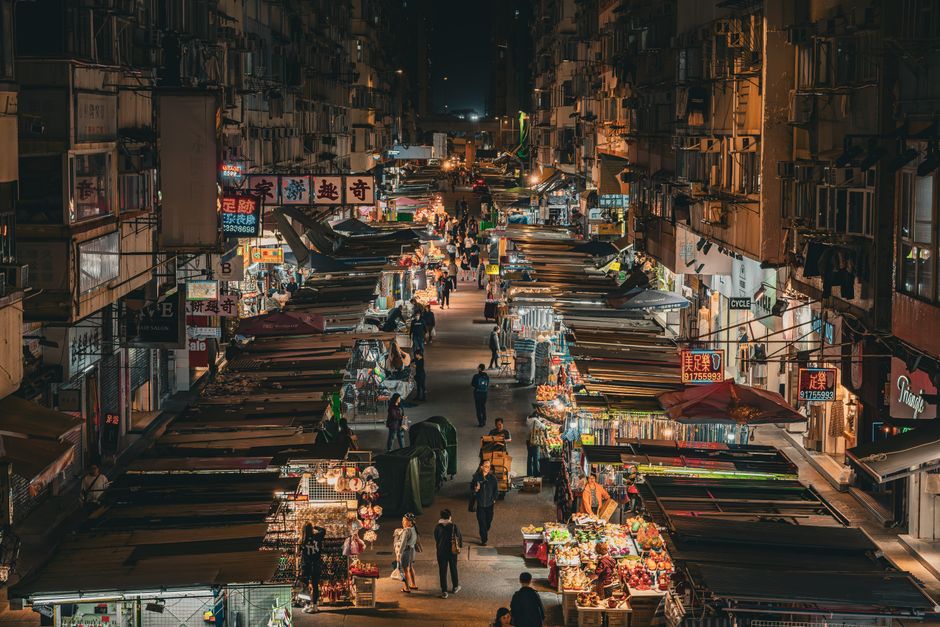
In Mong Kok and Sham Shui Po, where subdivided flats once provided refuge for low-income households, rents have climbed 8–12 per cent annually over the past three years, according to property data tracked by local agencies. A 100 square-foot unit in these areas now commands HKD 4,500–5,500 monthly—pricing out the very demographics they were designed to shelter. Meanwhile, New Territories locations like Fanling and Sheung Shui, traditionally more affordable, face gentrification pressure as younger families seek alternatives to central Kowloon.
Landlords, however, face their own squeeze. Interest rate cycles have eroded rental yield margins, particularly for smaller investors who own one or two units. With mortgage costs rising and rental growth flatlining in secondary markets, many are reconsidering their portfolios. Some have moved to sell rather than rent, further depleting the stock of reasonably priced units. Others have begun stratifying their properties—upgrading finishes to capture luxury-segment tenants rather than competing in crowded mid-market segments.
Advocacy groups working with vulnerable populations report mounting hardship. Organisations assisting overseas families under initiatives like 'Home for a Home' observe that finding stable, affordable rental accommodation within programme budgets has become increasingly difficult. Displacement cascades through lower-income communities as households migrate further into the New Territories or doubled-up with extended family.
The policy response remains fragmented. While the government has eased stamp duty for foreign buyers and pushed development in outlying areas, direct intervention in the private rental market remains minimal. Without targeted measures—whether rent regulation, landlord incentives for long-term tenancies, or expanded social housing pipelines—the structural mismatch between tenant needs and available supply will likely deepen, reshaping Hong Kong's demographic map in ways not yet fully visible.
This article was compiled by AI from the sources linked above and screened before publishing. See our editorial standards.
Covering property in Hong Kong. This article was generated by AI from the linked sources and was not reviewed by a human editor before publishing. See our editorial standards.