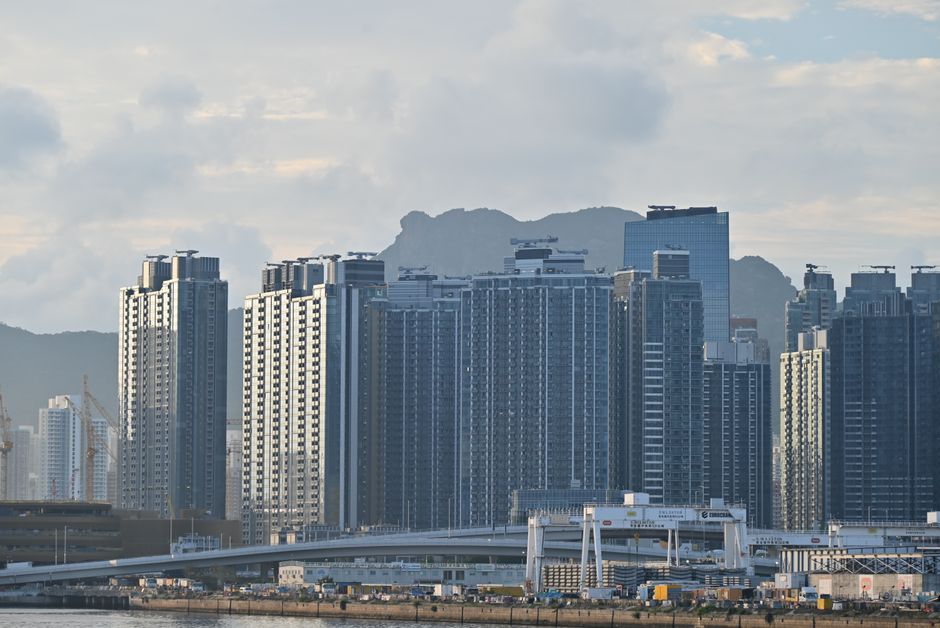
The Planning Department's June announcement to rezone 12 hectares of industrial land in Tseung Kwan O for subsidised housing marks a watershed moment in Hong Kong's supply-side response to affordability pressures. The decision—part of the broader Housing Authority expansion strategy—is already rippling through local property markets, with immediate implications for developers and middle-income buyers caught between public and private market options.
Under the new policy framework, three sites earmarked between Po Lam and Hang Hau will deliver an estimated 8,500 units within the next eight to ten years. Housing Authority projections suggest average unit prices around HKD 3.2–3.8 million for three-bedroom flats, compared to private developments in the same corridor currently trading at HKD 5.2–6.1 million. The pricing differential has already triggered a modest correction in adjacent private projects.
"What we're seeing is a rational market response," explains one analyst at a major property consultancy. "When policy clarifies supply timelines, speculative premium evaporates. Developers holding land adjacent to these rezoned areas face pressure to realistic pricing or risk prolonged vacancy."
The Tseung Kwan O initiative dovetails with earlier commitments to activate sites in Yuen Long and North District. In Yuen Long, the conversion of underutilised agricultural plots into Green Form Subsidised Housing (GFSH) has already prompted local agents to recalibrate expectations. Mid-tier private stock—typically HKD 4–5 million for a two-bedroom unit in area like Fairview Park—faces headwinds as younger families now see public housing timelines as credible alternatives rather than lottery tickets.
Not all stakeholders benefit equally. Landowners holding industrial zoning in the New Territories face revised valuations, particularly those without development pipelines. The impact is already visible in recent Government Land Exchange (GLE) applications, with fewer submissions from smaller operators betting on speculative rezoning upside.
The policy shift also stabilises the affordability narrative. With median private flat prices hovering near HKD 8–10 million territory-wide, public housing delivery at HKD 3–4 million creates tangible breathing room for households earning HKD 25,000–40,000 monthly. This intermediate cohort—too wealthy for traditional public rental housing, too stretched for private purchase—represents the policy's real constituency.
However, implementation risk remains. Construction delays, supply chain disruptions, or statutory planning objections could narrow the delivery window. Market participants will watch closely as detailed master plans for Tseung Kwan O emerge over the coming months. Early clarity on unit mix, completion phasing, and balloting procedures could stabilise market expectations further. Until then, expect continued volatility in adjacent private markets as buyers and investors recalibrate around these freshly credible policy signals.
This article was compiled by AI from the sources linked above and screened before publishing. See our editorial standards.