This article was generated by AI from the linked public sources. The Daily Hong Kong is independently owned and covers Hong Kong news free from advertiser or sponsor influence. Read our editorial standards →
Hong Kong's new residential pipeline is moving faster than it has in three years, with the Urban Renewal Authority and private developers racing to unlock supply. But beneath the glossy sales galleries along Des Voeux Road Central and in Quarry Bay, a quieter metric tells the real story: what yields are investors actually achieving?
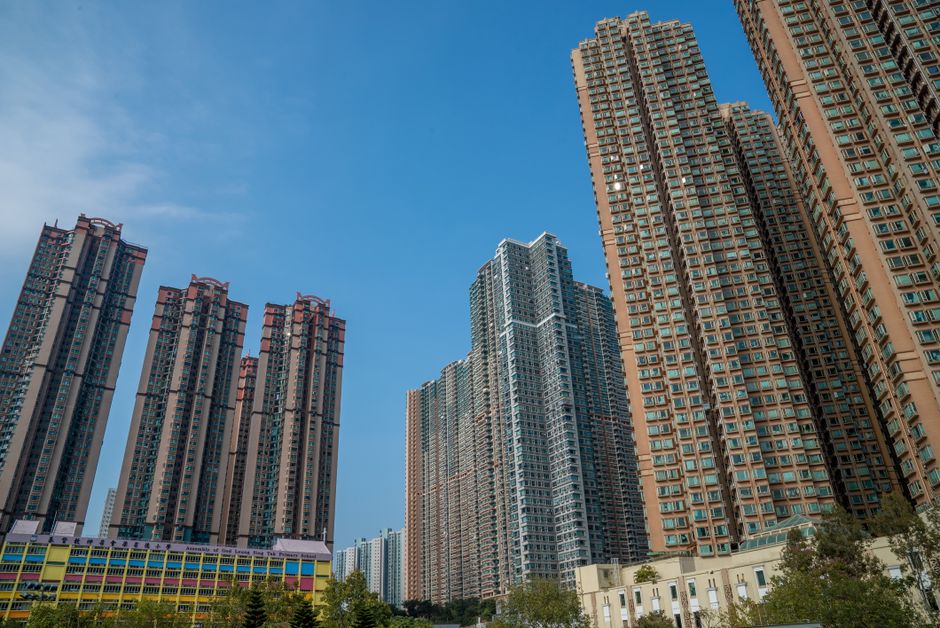
Fresh project approvals in Tseung Kwan O, Tai Po, and the emerging Hung Shui Hang MTR catchment are drawing capital. A typical two-bedroom unit in Tseung Kwan O's new tranche—priced around HKD 5.2–5.8 million—is generating rental yields of 2.8–3.1 percent, according to property agent data reviewed this month. That's a marked improvement over equivalent resale stock in the same district, which has stalled at 2.3 percent.
The yield uplift reflects a deliberate investor calculation. New developments offer 15–25 year mortgage terms, foreign buyer stamp duty concessions introduced last year, and—critically—rental demand among expatriate families and young professionals relocating to outer zones. Estate agents report that pre-completion assignment sales in Kam Tin and Fanling are moving within six months, with investors banking on both capital appreciation and interim rental returns during the 2–3 year construction period.
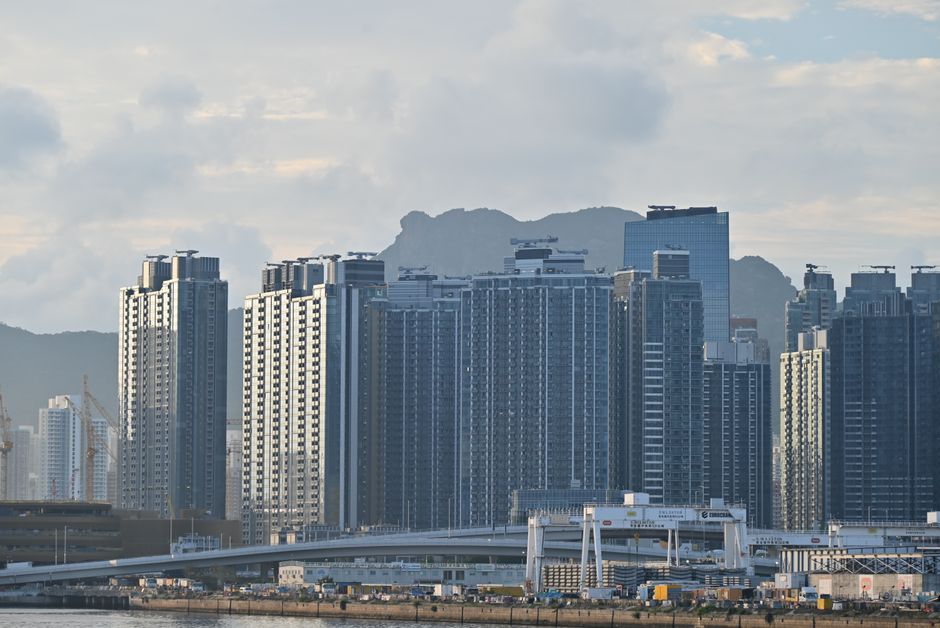
Kowloon's newer zones present a different picture. Units in the Kai Tak redevelopment site—where government approvals have accelerated—are trading at asking prices around HKD 7–9 million for three-bedroom units. Projected yields hover at 2.2–2.6 percent, lower than New Territories counterparts but offset by proximity to Admiralty and Central. Investor feedback suggests capital growth expectations matter more here than rental income.
The Peak and Mid-Levels luxury segment remains insulated from yield pressures. New ultra-prime completions above HKD 50 million operate in a different calculus entirely—foreign investors treat them as alternative asset classes rather than rental vehicles.
Data from the Lands Department shows 847 new residential units approved in the second quarter alone, the highest quarterly approval rate since 2023. Yet completion backlogs mean rental supply from these projects won't fully materialise until 2027–2028. Smart investors are already positioning ahead of that curve.
The broader lesson: Hong Kong's development pipeline rewards patient capital willing to target secondary and tertiary locations. Yields alone won't drive returns. Timing, tenant demographics, and mortgage flexibility will.
This article was compiled by AI from the sources linked above and screened before publishing. See our editorial standards.
Covering property in Hong Kong. This article was generated by AI from the linked sources and was not reviewed by a human editor before publishing. See our editorial standards.