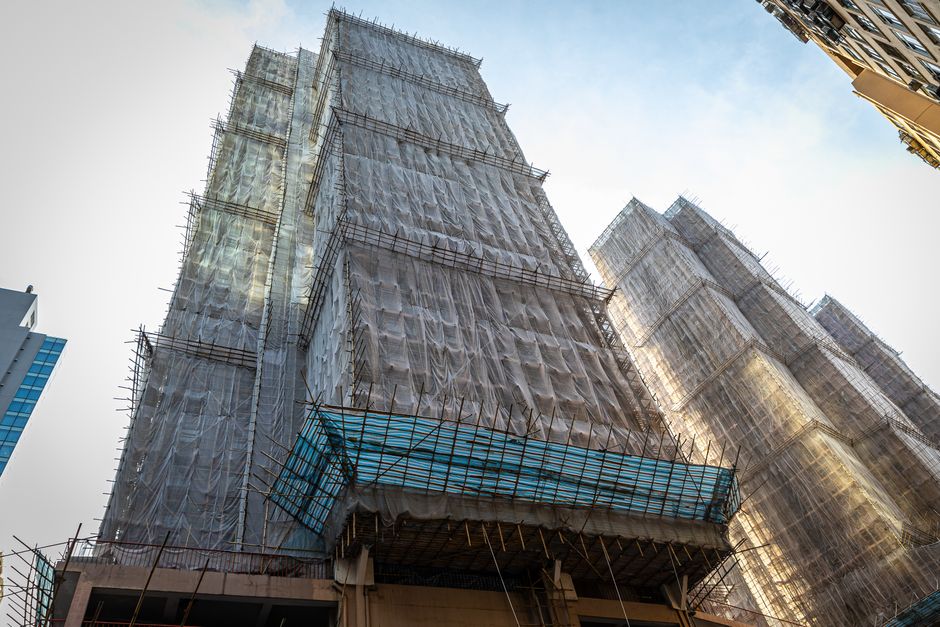
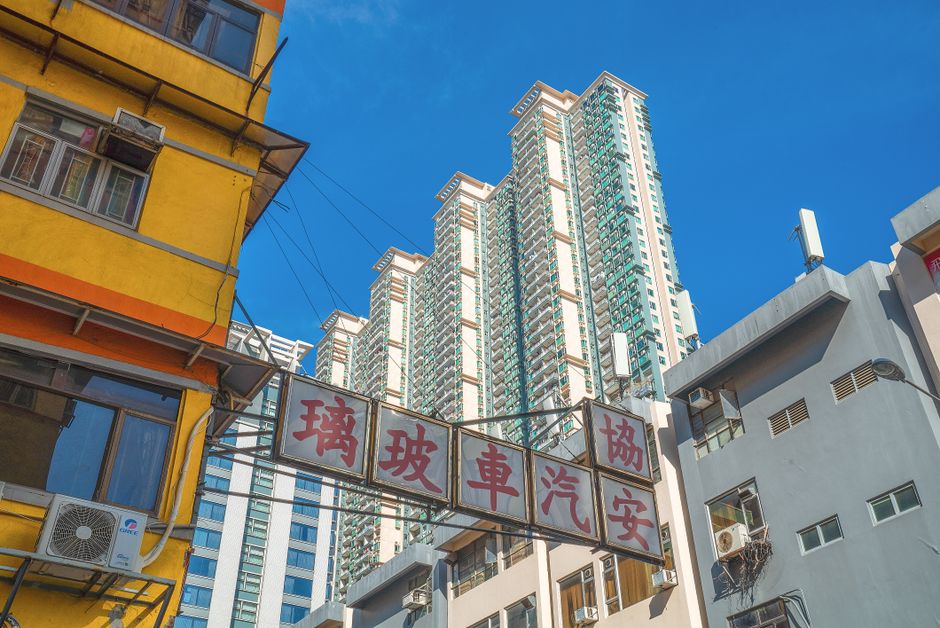
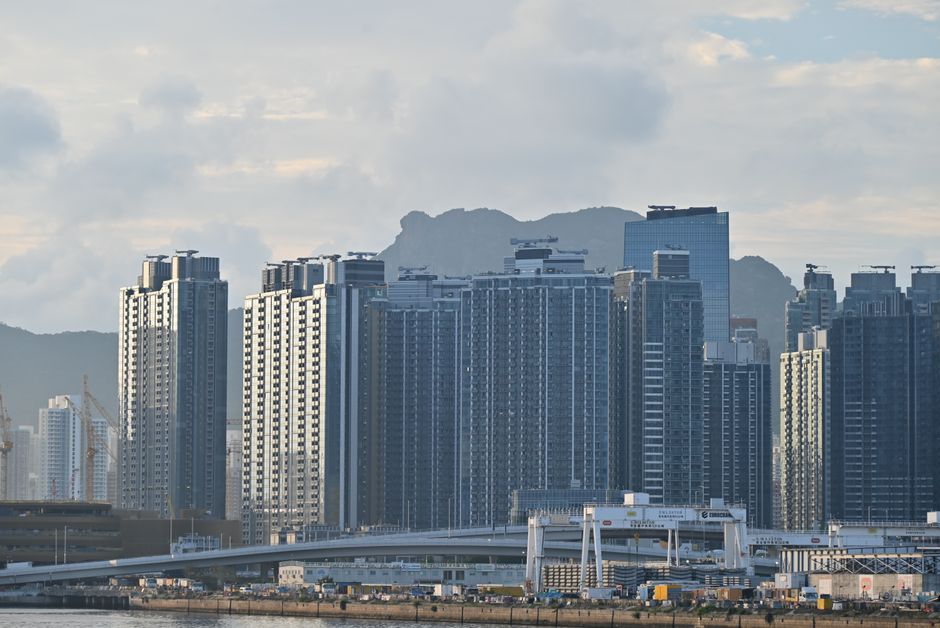
Hong Kong's property development landscape is shifting beneath our feet. The Urban Planning Board's recent relaxation of procedural timelines and the Land Development Corporation's expanded mandate have compressed approval cycles from 18-24 months to under 12 in some cases, fundamentally altering how developers calculate project viability and market entry strategies.
The impact is most visible in the New Territories, where sites around Fanling, Sheung Shui, and Yuen Long have experienced a sudden flurry of applications. Three major mixed-use schemes totalling over 2,000 residential units are now in advanced planning stages—a concentration unimaginable two years ago. For context: median New Territories flat prices currently sit around HK$5-6 million, making these projects attractive to developers seeking to capture middle-market demand rather than competing for Peak and Mid-Levels luxury slots.
What's driving this acceleration? The government's explicit focus on housing supply targets has prompted planning departments to adopt more flexible interpretations of density parameters and parking requirements. A landmark decision in March to permit reduced car-parking ratios in transit-oriented developments near the MTR's Northern Link has become the template for subsequent approvals. This single policy shift could unlock approximately 15,000 additional residential units across the New Territories over the next decade.
Kowloon hasn't been left behind. The redevelopment of ageing industrial zones in Kwun Tong and Cheung Sha Wan—traditionally constrained by heritage considerations and community opposition—is now seeing genuine momentum. Two projects entered detailed design phases last quarter, with completion targets in the 2028-2030 window.
Yet policy changes cut both ways. The tightened environmental assessment requirements, while environmentally sound, have delayed several schemes in ecologically sensitive areas. The proposed Lam Tsuen valley development remains gridlocked despite receiving conditional approval in principle.
For investors and end-users, the implications are substantial. Faster approvals don't guarantee faster delivery, but they do reduce financing costs and improve project certainty. First-time buyers watching median prices escalate may see modest relief if New Territories supply genuinely accelerates—though affordability gains will hinge on whether developers pass on savings or pocket margin improvements.
The real test arrives in 2027 when the first of these fast-tracked projects break ground. If construction timelines match approval speed, Hong Kong's perennial housing shortage may finally encounter genuine structural solutions rather than regulatory band-aids.
This article was compiled by AI from the sources linked above and screened before publishing. See our editorial standards.