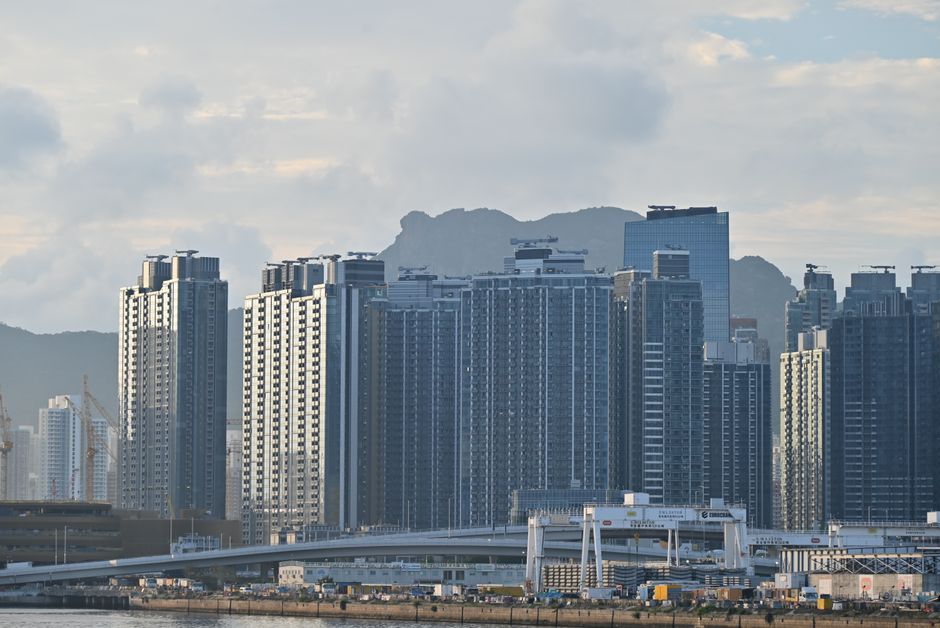
Tuen Mun, long dismissed by property speculators as too remote, is experiencing an unexpected renaissance. Once synonymous with lengthy commutes and limited commercial appeal, the New Territories district has quietly emerged as Hong Kong's most compelling rental investment opportunity in mid-2026, with vacancy rates dropping below 3% and tenant demand surging.
The shift reflects a fundamental realignment in Hong Kong's property market. While the Peak and Mid-Levels continue to command luxury premiums—median prices hovering near HKD 12-15M for similar square footage—Tuen Mun flats trade at approximately HKD 4.5-6.5M for comparable units. This 40-50% discount has lured institutional investors and smaller portfolio builders alike, particularly those priced out of traditional Kowloon markets.
The catalyst? Infrastructure and demographics. The MTR West Rail extension improvements, coupled with express bus links to Central, have slashed commute times to under 40 minutes. Meanwhile, young professionals displaced by soaring Causeway Bay and Mong Kok rents have discovered Tuen Mun's family-friendly environs: Tuen Mun Park, the riverside promenades near San Hui Estate, and proximity to Hong Kong Disneyland in nearby Penny's Bay make the area increasingly attractive to expatriate families and mid-career tenants.
Recent rental data supports the investment thesis. A two-bedroom unit in Sycamore Street commands HKD 16,000-18,000 monthly—a 12% year-on-year increase—while Mid-Levels equivalents stagnated or declined. Three-bedroom family homes near Tuen Mun Town Centre now lease at HKD 22,000-26,000, versus HKD 35,000+ in Kowloon Toon. Gross rental yields have consequently improved to 3.2-3.8%, the highest in the territory outside New Territories corridors.
Property agents report sustained inquiry from overseas investors hedging against Hong Kong's policy uncertainties. The recent easing of stamp duty for foreign buyers has further incentivised cross-border investment into affordable pockets like Tuen Mun, Yuen Long, and Tin Shui Wai.
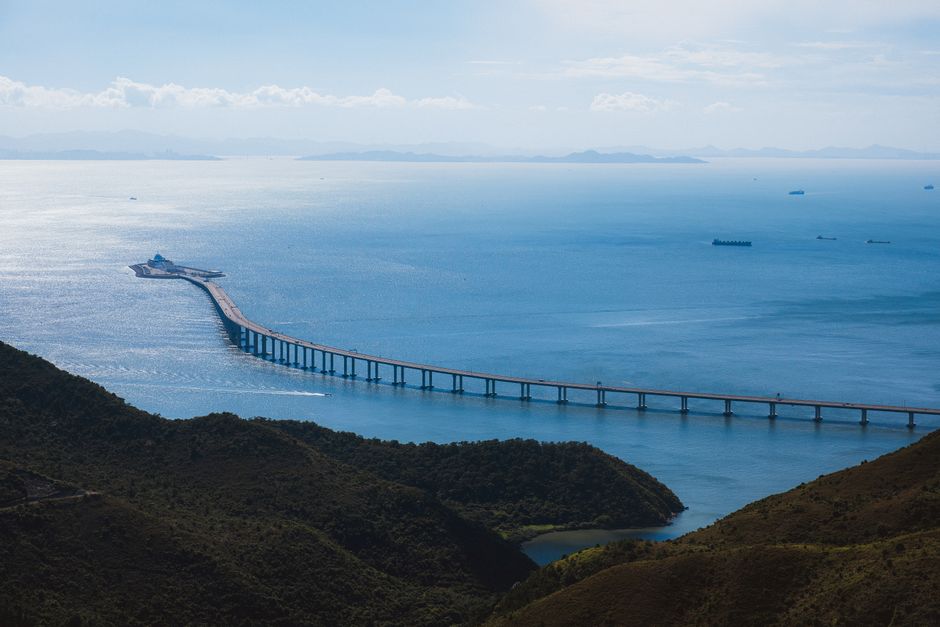
Yet challenges persist. Tuen Mun's demographic remains skewed toward older residents and families; young professionals still gravitate toward Kowloon's cultural offerings. Supply concerns loom too: completion of the Tuen Mun–Chek Lap Kok link in 2028 may accelerate gentrification and rental growth, but oversupply from ongoing public housing projects could temper appreciation.
For property investors seeking sustainable yields without premium-district capital outlay, Tuen Mun's window remains open—but likely not for long.
This article was compiled by AI from the sources linked above and screened before publishing. See our editorial standards.