Tuen Mun's Waterfront Revival: How a New Territories Borough Became Hong Kong's Hottest Investment Play
Once dismissed as a commuter town, Tuen Mun is attracting serious capital thanks to infrastructure upgrades, MTR improvements, and prices still 30–40% below Kowloon averages.
This article was generated by AI from the linked public sources. The Daily Hong Kong is independently owned and covers Hong Kong news free from advertiser or sponsor influence. Read our editorial standards →
For years, Tuen Mun occupied an awkward middle ground in Hong Kong's property hierarchy: too far from Central for daily commuters, yet expensive enough to deter bargain hunters seeking genuine value. Today, that calculus has shifted dramatically. The western New Territories borough is emerging as the city's most compelling investment hotspot, drawing institutional buyers, young families, and upgrade-seekers who've tired of HKD 8–10 million median prices across the harbour.
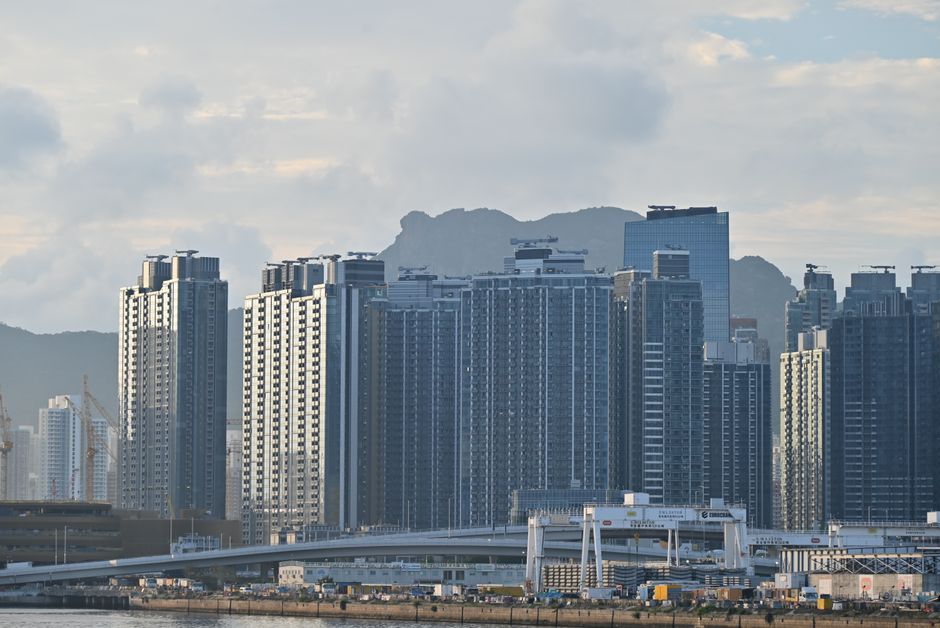
Transaction data from the past eighteen months reveals the trend. Three-bedroom flats near Tuen Mun MTR station have appreciated 12–15 percent annually, with units along the waterfront promenade now commanding HKD 6–7.5 million compared to HKD 4.8–5.5 million three years ago. The median across the district sits approximately HKD 5.2 million—a 35 percent discount to Kowloon mid-tier suburbs like Mong Kok or Sham Shui Po, yet offering superior outdoor amenities and breathing room.
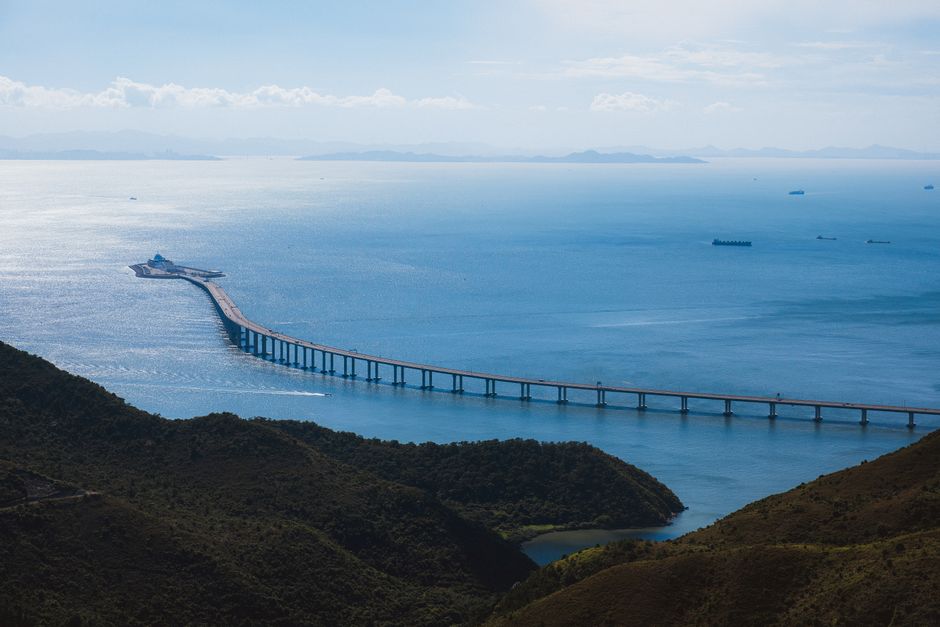
Several factors are driving the shift. The MTR's West Rail Line expansion, completed in 2024, cut commute times to Central from forty minutes to just twenty-five, fundamentally reshaping Tuen Mun's accessibility narrative. Simultaneously, the Tuen Mun–Chek Lap Kok Link, operational since 2025, has positioned the district as a gateway for airport-adjacent professionals and those with family connections beyond the border. The Waterfront Park development along Castle Peak Bay has added recreational infrastructure previously absent, while the revitalised Tuen Mun Town Centre now hosts dining and retail venues comparable to established Kowloon precincts.
Price appreciation has also attracted secondary investors. Developers including New World and Sino Land have launched or planned five new residential projects in the area for 2026–2027, signalling market confidence. Small-unit offerings—400–500 sq ft studios and one-bedroom flats—are particularly competitive, ranging from HKD 3.2–4.1 million, appealing to first-time buyers and downsizers priced out of traditional entry points.
The eased stamp duty regime for foreign buyers—halved to 4.25 percent—has amplified offshore interest, particularly from mainland investors seeking stable Hong Kong assets. Local agents report a 28 percent year-on-year increase in cross-border inquiries, primarily targeting new-build inventory.
Market observers note that Tuen Mun's trajectory mirrors earlier cycles in Sha Tin and Tai Po, which similarly transitioned from overlooked peripheries to established middle-class anchors. Whether this translates into sustained capital growth or normalization remains uncertain—but for now, Tuen Mun's combination of affordability, connectivity, and lifestyle amenities is reshaping Hong Kong's residential investment calculus.
This article was compiled by AI from the sources linked above and screened before publishing. See our editorial standards.
Covering property in Hong Kong. This article was generated by AI from the linked sources and was not reviewed by a human editor before publishing. See our editorial standards.