Hong Kong's luxury property market is experiencing a structural shift as major developers accelerate prestige residential projects that promise to reshape some of the city's most established neighbourhoods. With median luxury flat prices hovering between HKD 15-25 million in prime locations, these new developments aren't simply adding supply—they're recalibrating what it means to own in Hong Kong's most coveted addresses.
The impact is most visible in traditionally exclusive zones. Along The Peak's residential corridors and surrounding Mid-Levels enclaves, new ultra-luxury developments are introducing contemporary architecture and amenity standards that challenge older properties' competitive positioning. Several ongoing projects in these areas feature private elevators, wellness facilities, and smart-home integration—luxuries that were unthinkable a decade ago. For existing residents in older colonial-era properties, these developments create subtle but real pressure: will their homes appreciate alongside these new flagship addresses, or will they gradually become perceived as dated?
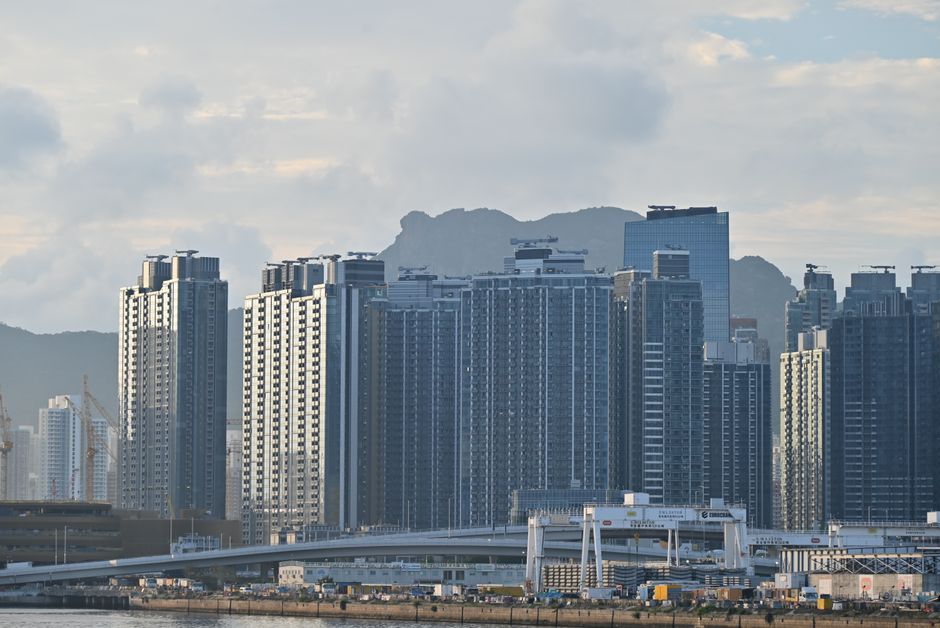
Kowloon's prestige segments tell a different story. Developments in Hung Hom, Tsim Sha Tsui waterfront zones, and along Stubbs Road are attracting buyers seeking alternatives to Peak saturation. These projects often emphasize connectivity—proximity to cultural venues like the Hong Kong Museum of Art, the M+ museum at West Kowloon, and fine-dining clusters in Central—creating lifestyle narratives beyond pure real estate. This diversification matters. It's fragmenting the luxury market into distinct buyer personas: legacy wealth maintaining Peak positions versus acquisition-focused buyers seeking value in repositioned secondary zones.
The regulatory environment supports this momentum. Since stamp duty relief for foreign buyers took effect, several major projects have reported increased international inquiry. Buyers from mainland China, Singapore, and beyond view these new developments as transparent, modern alternatives to older properties, which can involve complex ownership structures. A luxury 4-bedroom unit in a new development might command HKD 18-22 million, while comparable square footage in an older Peak building could fetch HKD 20-28 million—creating decision points for price-conscious ultra-high-net-worth individuals.
For neighbourhoods themselves, implications extend beyond property values. New developments typically inject fresh retail, dining, and service infrastructure. Green space, security design, and community amenities receive heightened attention. However, some established residents express concern about density and character dilution—particularly in quieter Mid-Levels pockets where heritage architecture has historically defined appeal.
Looking forward, the trajectory is clear: Hong Kong's luxury property market will increasingly bifurcate between heritage-asset properties and newly positioned prestige developments. Winners will be neighbourhoods that balance development with established identity, while developers who simply replicate luxury formulae without understanding local neighbourhood context may find their projects competing fiercely on price alone.
This article was compiled by AI from the sources linked above and screened before publishing. See our editorial standards.