Property
What auction rooms are telling us: Price signals reveal Hong Kong's next investment hotspots
Recent transaction data and clearance patterns show where savvy buyers should be looking as the market recalibrates.
3 min read
Updated 18 h ago
Property
Recent transaction data and clearance patterns show where savvy buyers should be looking as the market recalibrates.
3 min read
Updated 18 h ago
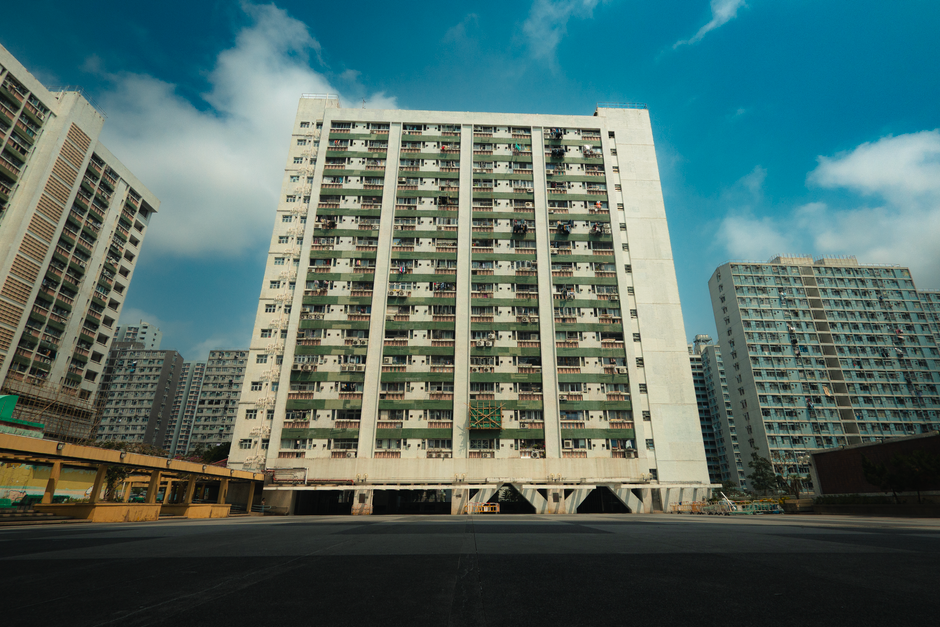
Hong Kong's property auction rooms have become unlikely truth-tellers. As clearance rates dip and buyers grow more selective, the price signals emerging from Centaline, Knight Frank and CBRE auctions are painting a telling picture of where real value is clustering in 2026.
The story starts in the New Territories. Recent sales data suggests Sha Tin and Tai Po are experiencing a subtle but meaningful upward pressure, particularly in mid-sized units priced between HKD 4.5–6.5 million. Auction results from the past quarter show conversion rates holding firm in these zones despite softer overall market sentiment, a rarity that signals investor confidence. Compare this to Kowloon's central corridors—traditionally Mong Kok and Causeway Bay—where auction clearance has slipped noticeably, indicating price resistance among buyers who once competed fiercely.
What's particularly revealing is activity around MTR hubs. Properties within 300 metres of East Rail Line stations in areas like Fotan and University are attracting sustained bidding, with price-per-square-foot holding steady or inching higher. The data suggests investors are reading commute convenience as a hedge against economic softness. Meanwhile, older residential blocks on Robinson Road and Kennedy Road in Mid-Levels, long considered trophy assets, are seeing longer selling periods and more negotiation—price discovery is happening more slowly.
Auction lot composition tells another story. Over the past eighteen months, the proportion of smaller flats (under 400 sq ft) entering the ring has grown, while ultra-premium lots above 3,000 sq ft have thinned. This reflects sellers' growing caution; smaller units are perceived as easier to place and less exposed to foreign buyer sentiment shifts following the recent stamp duty adjustments.
The Lantau and outlying islands market warrants attention too. Sparse auction activity doesn't necessarily signal weakness—it often reflects limited supply and owners' reluctance to sell. When properties do appear for sale, buyer appetite remains evident, suggesting undersupply is driving value rather than speculative enthusiasm.
Prices alone don't move; *relative* movements do. The median transacting unit price sitting at HKD 8–10 million masks considerable neighbourhood divergence. Eastern New Territories suburbs are tightening supply while demand holds, a classic recipe for sustained appreciation. Traditional Central locations are experiencing a normalisation many investors interpret as a reset rather than a reversal.
For property investors reading the market in mid-2026, the auction data is clear: proximity to transport, space-efficient layouts, and peripheral but connected neighbourhoods are where price momentum persists. The Peak and Mid-Levels remain status symbols; the suburbs are becoming value plays.
This article was compiled by AI from the sources linked above and screened before publishing. See our editorial standards.
About this article
Published by The Daily Hong Kong
Spread the word
Daily brief
Free, in your inbox before 7am. Weekdays.
Before you go
The day's Hong Kong news in a 2-minute read. Free, weekday mornings.