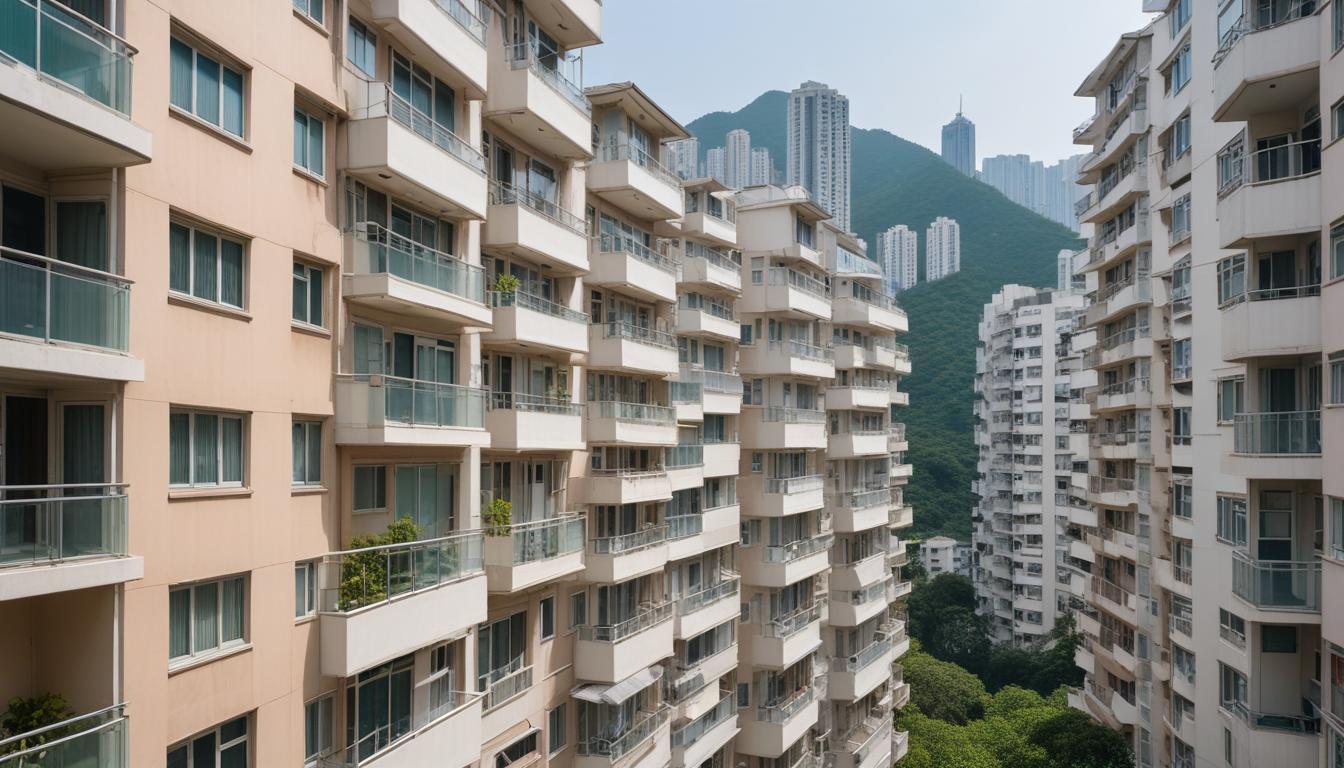
Hong Kong's property landscape is shifting beneath our feet. After years of tight supply and climbing prices that have pushed median flat values to HKD 8-10 million, a fresh wave of development approvals is offering the territory a chance to reshape its residential fabric—if executed thoughtfully.
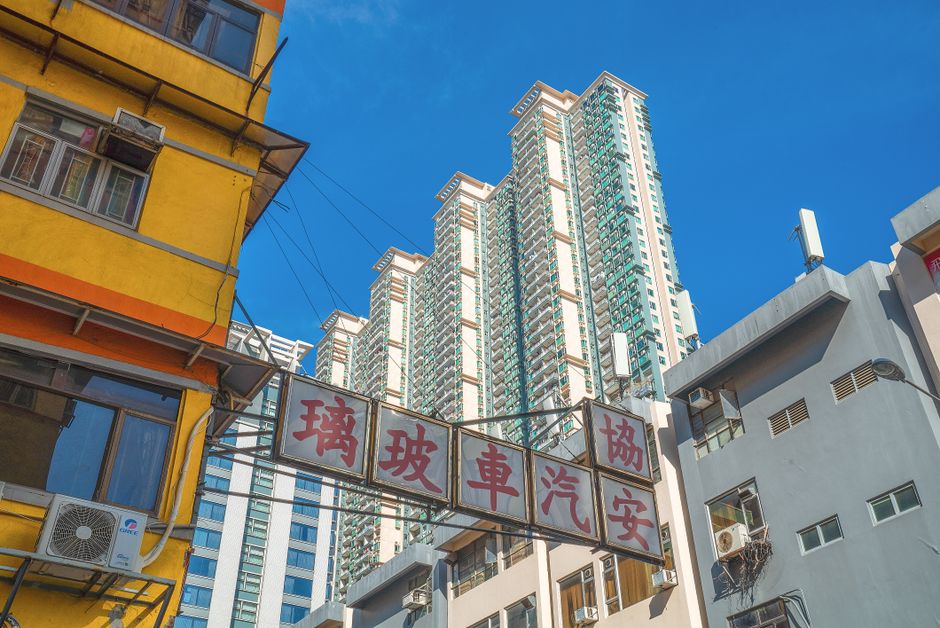
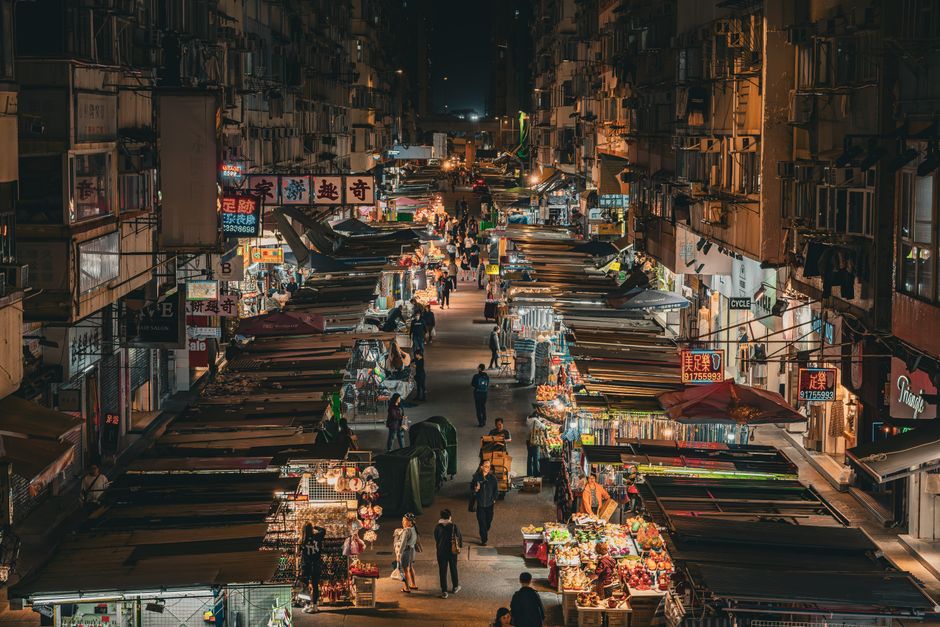
The Urban Renewal Authority's ongoing projects in districts like Mong Kok and Sham Shui Po represent the most visible transformation. These areas, historically characterised by cramped tenements and ageing walk-ups, are seeing mixed-use schemes emerge that promise modern housing alongside retail and community facilities. The challenge lies in balancing density with livability, and ensuring that existing communities aren't simply displaced by rising rents.
Meanwhile, the New Territories continues its slower but steady ascent. New townships in areas like Yuen Long and Tin Shui Wai are gradually absorbing overflow from the core urban districts, offering families and first-time buyers more breathing room—and lower entry prices than Kowloon's mid-tier neighbourhoods. Recent approvals for residential-commercial hybrid developments suggest developers are learning that amenities matter as much as unit count.
What makes these projects significant isn't merely the housing units they'll deliver. It's the ripple effects. A new MTR-connected residential scheme in an unfamiliar pocket of the New Territories can suddenly make that area investable; improved transport links follow; schools and wet markets gain momentum. Conversely, heavy construction timelines—often stretching five to seven years—mean disruption for existing residents who may lack the financial cushion to relocate.
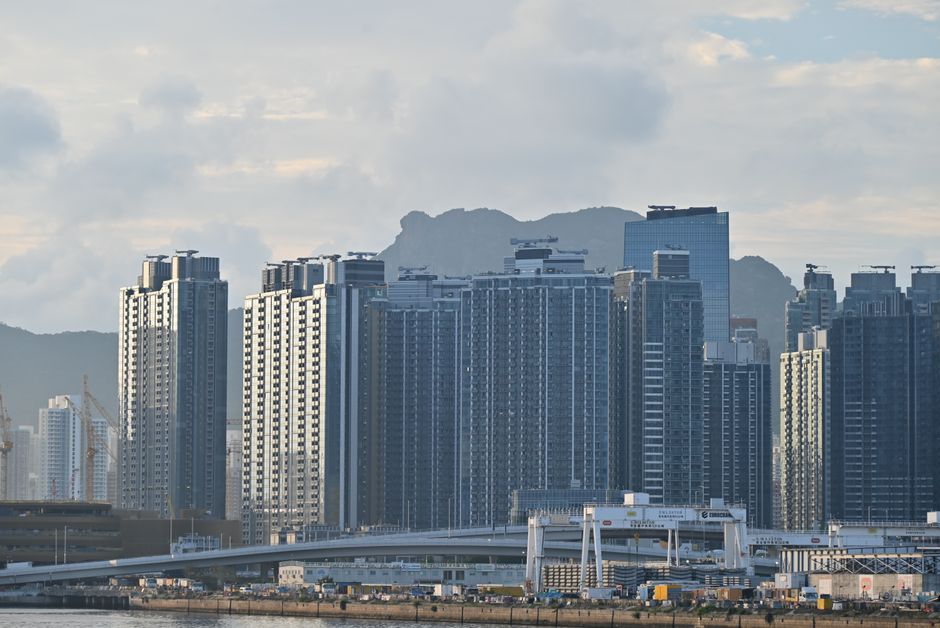
The easing of stamp duty for foreign buyers has also subtly reshaped developer priorities. Projects near the Peak, Mid-Levels, and increasingly in prime Kowloon pockets like Tsim Sha Tsui waterfront are now pitched to international buyers, potentially inflating prices further and pricing out local families.
Data from recent Land Registry transactions shows buyer sentiment remains cautious yet resilient. New developments with strong transport connections and community infrastructure tend to outperform isolated projects by 8-12 per cent in appreciation over five years.
The real question facing Hong Kong isn't whether we can build more homes. It's whether we can build them in ways that strengthen neighbourhoods rather than merely extracting value from them. As approvals accelerate, this distinction will define whether Hong Kong's housing future solves the crisis or merely redistributes it.
This article was compiled by AI from the sources linked above and screened before publishing. See our editorial standards.