Hong Kong's investment property market has entered a curious phase. While median flat prices hover stubbornly around HKD 8–10 million across the core districts, landlords are learning that capital appreciation cannot be relied upon to carry returns anymore. The conversation has shifted sharply toward yield—and the numbers are proving far more selective than many expected.
Current gross rental yields across prime residential markets tell a sobering story. In Causeway Bay and Mong Kok, where transaction activity remains brisk, yields typically sit between 2.5 and 3.2 percent. Move slightly further out—to Sheung Wan or Sai Ying Pun—and yields edge higher, reaching the 3.5–4 percent zone. But here's the catch: once mortgage servicing, management fees, rates and maintenance are stripped away, net yields often drop below 2 percent in central locations.
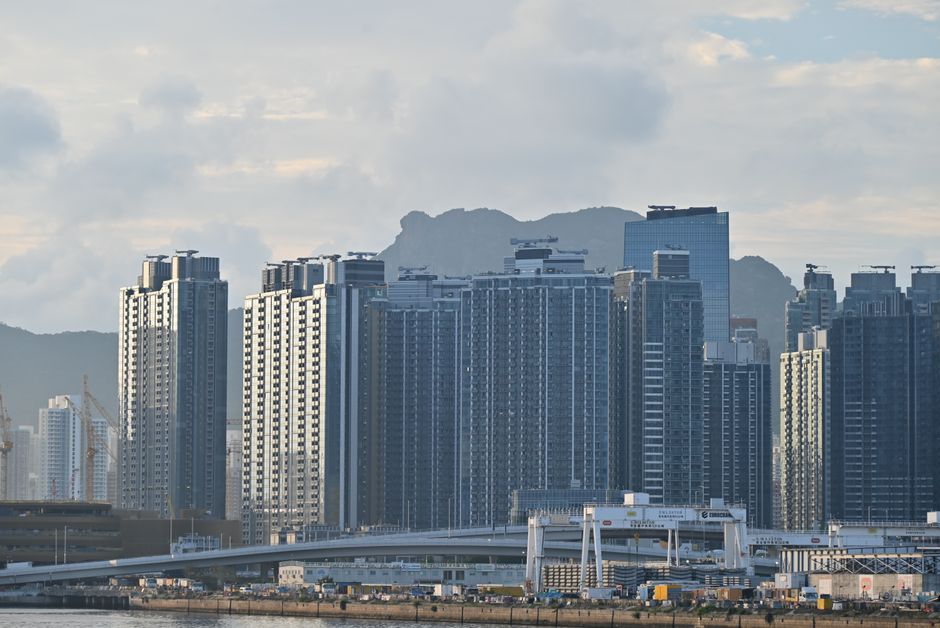
The New Territories tell a different story. Estates like Tseung Kwan O and Yuen Long, where entry prices fall between HKD 4–6 million, are generating gross yields of 3.8–4.5 percent. Net returns, after costs, approach the psychologically important 2.5–3 percent threshold—enough to attract yield-focused buyers, yet still modest by international standards.
What's changed is investor behavior. The days of buying on speculation have given way to a more disciplined approach. Landlords are now scrutinizing tenant quality, lease terms and neighbourhood stability with unprecedented care. Proximity to MTR stations, proximity to schools and shopping—factors once secondary—now directly influence tenant demand and pricing power.
Peak and Mid-Levels luxury properties present their own puzzle. With median prices exceeding HKD 15 million, gross yields rarely exceed 2 percent. These assets are increasingly seen as store-of-value plays rather than income generators, a shift that has subtly altered which investor cohorts enter that market.
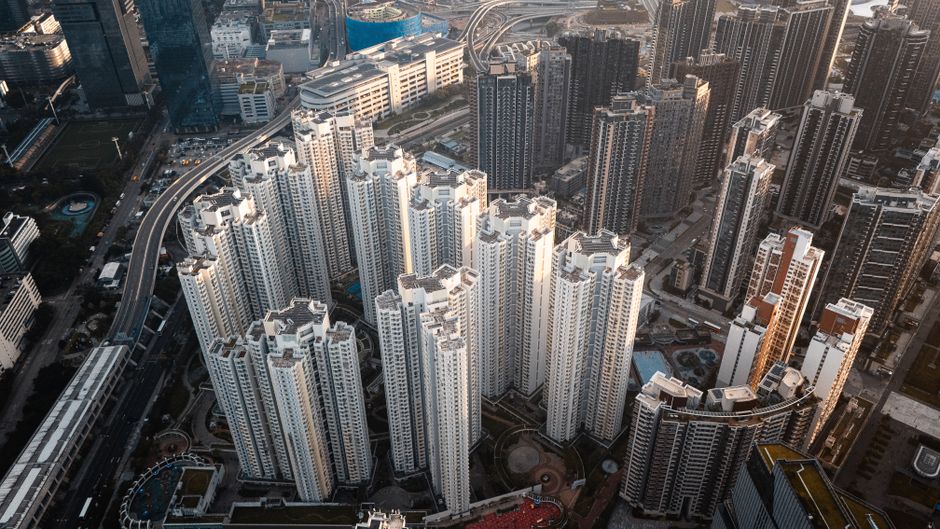
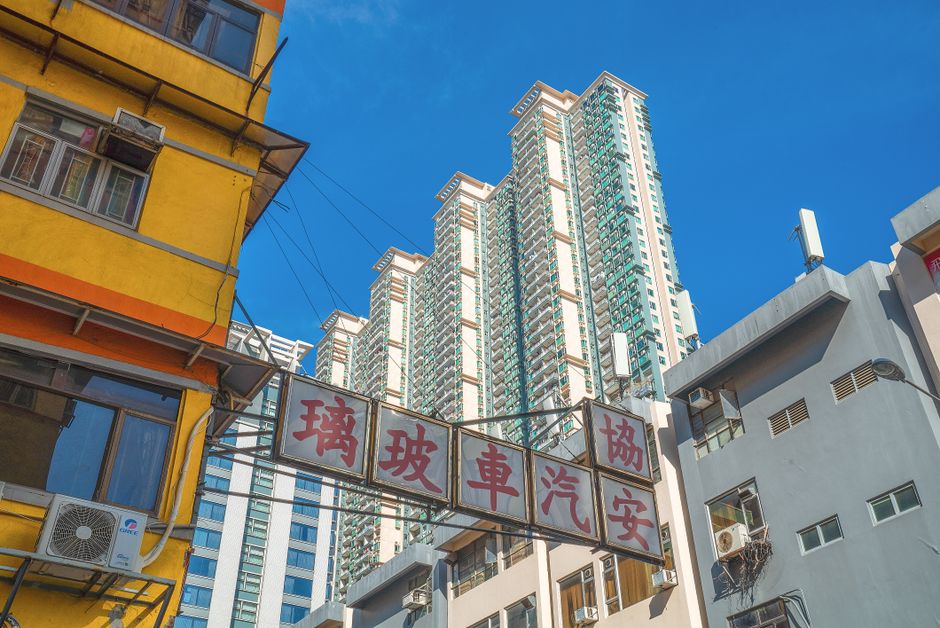
The data also reveals a durability gap. Properties in established neighborhoods with mixed residential-commercial character—such as Wan Chai and Central—prove easier to let and command steadier rents. Newer, mono-use residential towers, while architecturally impressive, sometimes struggle to attract quality tenants at premium rents, compressing yields further.
For investors considering entry now, the arithmetic is unforgiving. A HKD 8 million purchase yielding 3.2 percent gross generates roughly HKD 256,000 annually before costs—equivalent to returns available via bonds or REITs with zero leverage and considerably less hassle. The investable case has shifted from "where else can I put money?" to "what justifies the operational burden?"
The market has begun pricing this reality in. Activity has cooled, and those still transacting are doing so with clearer-eyed expectations about what these assets can genuinely deliver.
This article was compiled by AI and screened before publishing. See our editorial standards.