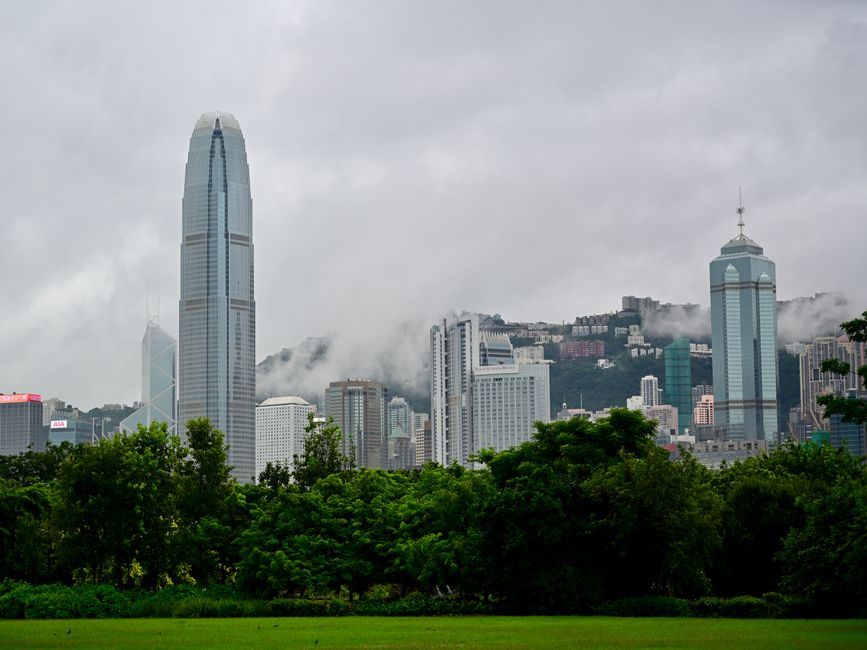
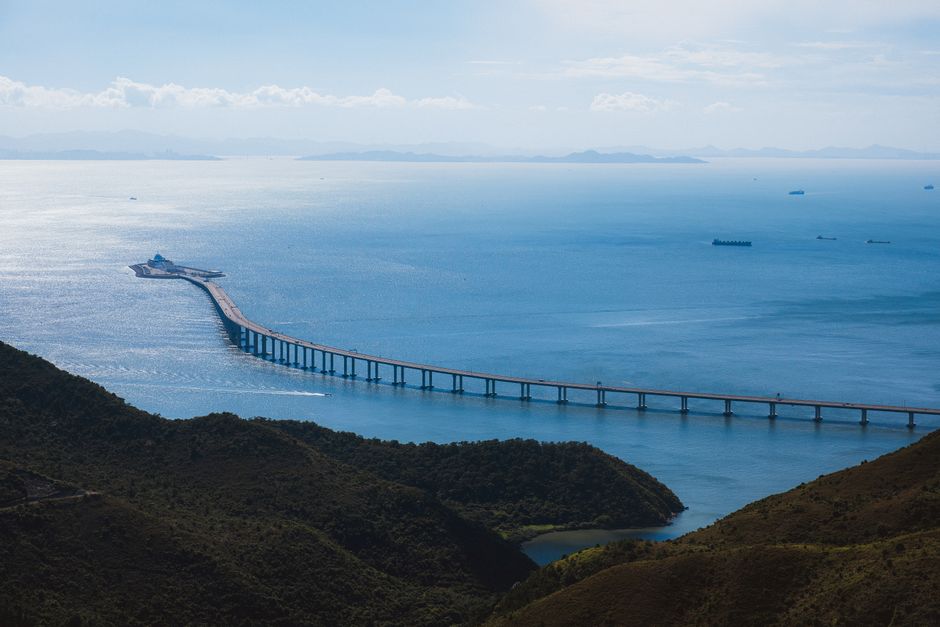
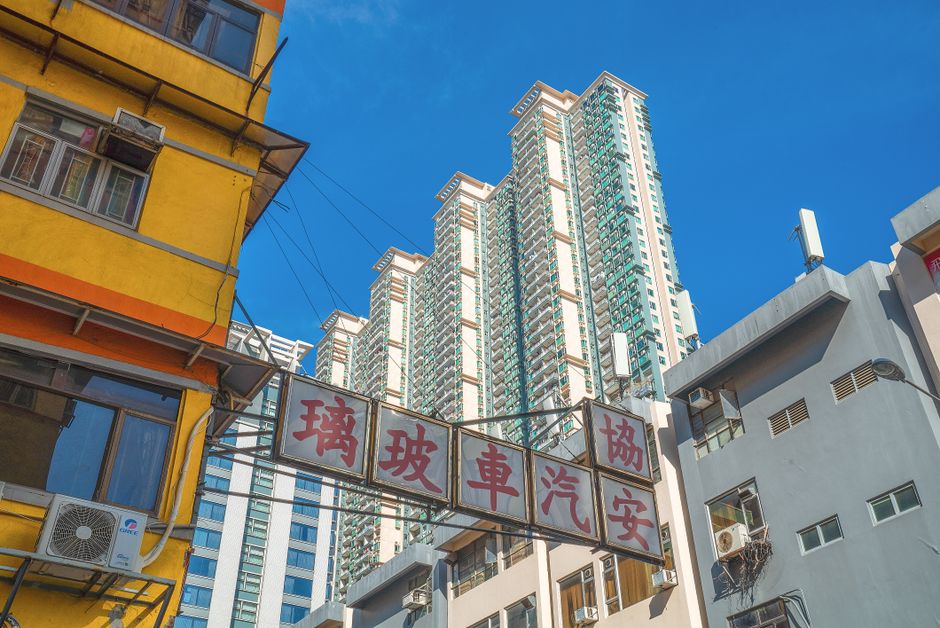
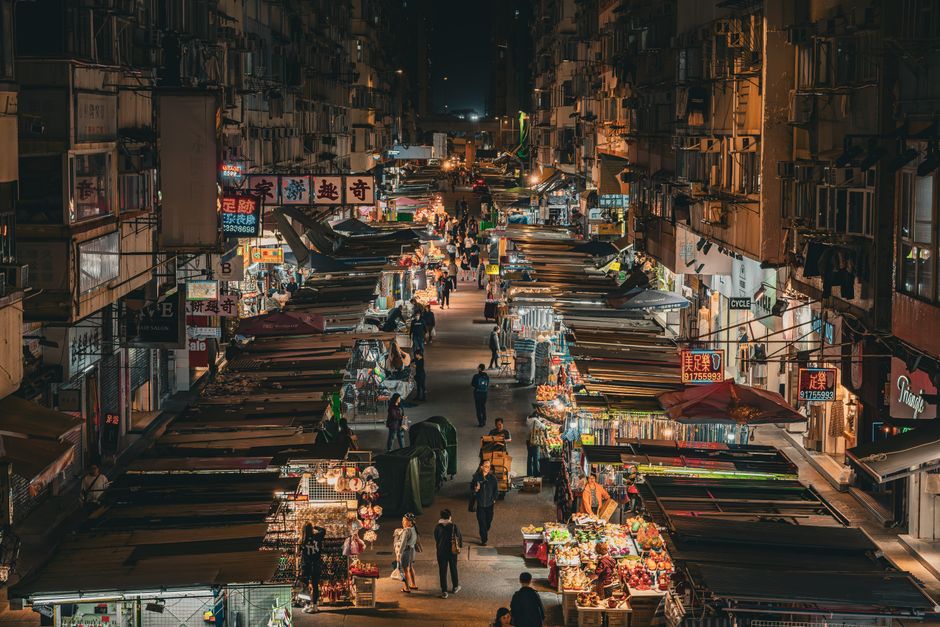
Hong Kong's luxury property market, long accustomed to stratospheric price tags and competitive auction theatrics, is entering a period of frank recalibration. Recent transaction data and hammer prices across the city's most coveted addresses tell a story less about exuberance and more about rational pricing reasserting itself.
Over the past quarter, auction results from Midland Lot and Christie's International Real Estate have painted a telling picture. Properties in The Peak and Mid-Levels—perennially Hong Kong's trophy addresses—have seen asking prices hold firm, yet time-on-market has lengthened. A seven-figure flat on Pollock's Path that might have drawn five bidders two years ago now closes with two. Average selling prices in these neighbourhoods have stabilised around HKD 120,000 to HKD 180,000 per square foot for premium units, compared to the HKD 200,000-plus peaks seen in 2024.
The broader luxury band—HKD 15–30 million properties across Kowloon's Jardine's Lookout and Hong Kong Island's deep Midlevels pockets—shows similar restraint. Stamp duty easing for foreign buyers, introduced to stimulate transaction volume, has helped maintain activity rather than spark a fresh feeding frenzy. Agents report genuine interest from Mainland wealth and Singapore-based families, but these buyers are now more forensic about price-to-value than before.
What auction gavel results are genuinely signalling is a maturation in how the ultra-high-net-worth set evaluates Hong Kong property. Post-pandemic migration patterns, workable remote arrangements for global executives, and a widened geographic appetite—including New Territories waterfront prospects—have diffused the narrative that Peak addresses are mandatory.
Supply dynamics matter too. New luxury completions in mid-2026 remain limited, but forthcoming launches in Causeway Bay and Repulse Bay have shifted buyer focus from immediate purchase to forward-planning. This temporality is reflected in asking prices: developers and vendors pricing at HKD 10–12M are seeing genuine offers; those anchored to HKD 13–14M are discovering longer sales cycles.
For the serious collector, this moment signals opportunity disguised as patience. The data isn't screaming distress; it's whispering prudence. Auction reserve prices that meet or exceed final bids—a rarity eighteen months ago—now occur in roughly 40 per cent of high-end transactions. That's not market collapse. That's the sound of price discovery working.
The headline, then, isn't that Hong Kong's luxury market is in trouble. It's that the age of automatic appreciation has paused, and that pause is creating space for thoughtful buyers who remember that property, ultimately, should make financial sense.
This article was compiled by AI from the sources linked above and screened before publishing. See our editorial standards.