Property
Tuen Mun Property Prices: Hong Kong's Affordable Housing Hotspot
First-time buyers discover Tuen Mun flats at 45% discount. New MTR links and public housing projects reshape New Territories affordability.
2 min read
Updated 3 h ago
Property
First-time buyers discover Tuen Mun flats at 45% discount. New MTR links and public housing projects reshape New Territories affordability.
2 min read
Updated 3 h ago
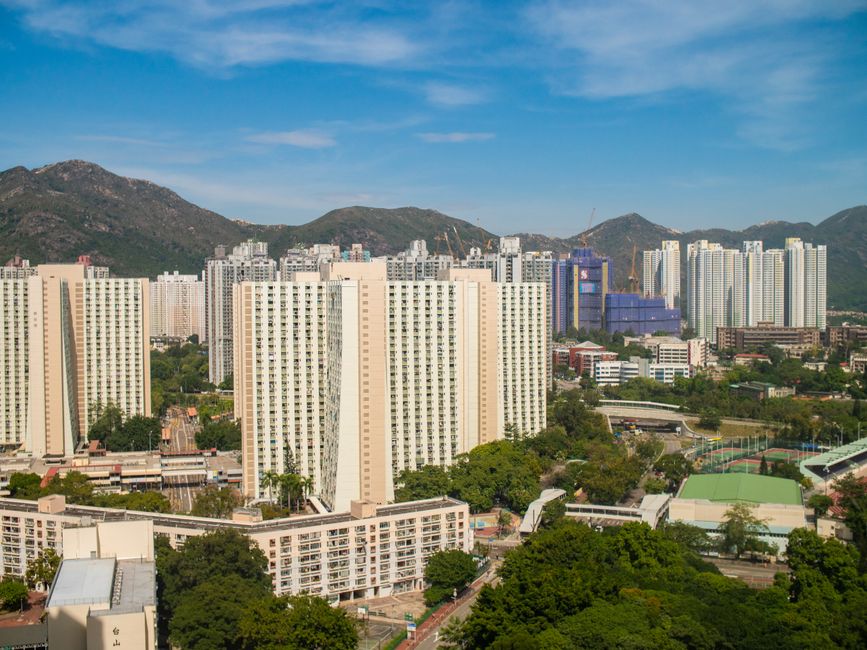
Tuen Mun's property market is undergoing a quiet but significant transformation. Once dismissed as a sprawling, car-dependent New Territories suburb, the district is attracting serious attention from investors and owner-occupiers alike, driven by strategic government housing policy and improved transport links.
The catalyst is straightforward: affordability meeting infrastructure investment. While median flat prices across Hong Kong hover between HKD 8–10 million, Tuen Mun flats remain anchored around HKD 4–5.5 million for a mid-range two-bedroom unit—a 45–50 per cent discount to citywide averages. For first-time buyers locked out of Kowloon's mid-tier pricing or unwilling to venture into the Peak's luxury echelon, Tuen Mun represents genuine market entry.
The government's latest public housing rollout is consolidating this shift. The Housing Authority's expansion of the Tuen Mun–Lamma area is delivering over 8,000 new flats by 2029, with a mix of public rental and subsidised ownership schemes targeting middle-income households earning HKD 25,000–40,000 monthly. Tuen Mun Central, near the Tuen Mun Town Centre and light rail interchange, has become the neighbourhood's new focal point, with commercial and retail development following residential phases.
Connectivity improvements matter too. The completion of the Tuen Mun–Chek Lap Kok Link has trimmed commute times to Central and the airport, while the light rail network now reaches into reclaimed areas previously considered peripheral. That shift in journey times is already reflected in transaction volumes: property registrations in Tuen Mun rose 18 per cent year-on-year in the first quarter of 2026.
Institutional investors are taking notice. Several property funds have quietly accumulated portfolios of resale units in Tuen Mun, betting on eventual price appreciation as the neighbourhood transitions from bedroom community to mixed-use district. Local agents report growing buyer inquiries from Central and Causeway Bay workers willing to trade commute length for ownership opportunity.
However, challenges remain. Tuen Mun still battles a perception problem—older public housing estates, industrial pockets, and lingering stigma tied to previous decades of urban planning decisions. Walkability issues persist, particularly in older sectors east of the light rail corridor.
Yet for policy observers, Tuen Mun's emergence validates a longer-term Hong Kong housing strategy: distributing affordable supply beyond traditional hotspots, coupling development with transit infrastructure, and creating investment optionality for middle-income households. As land scarcity intensifies across the harbour, incremental appreciation in Tuen Mun may prove more sustainable than speculative rallies elsewhere.
This article was compiled by AI and screened before publishing. See our editorial standards.
About this article
Published by The Daily Hong Kong
Spread the word
Daily brief
Free, in your inbox before 7am. Weekdays.
Before you go
The day's Hong Kong news in a 2-minute read. Free, weekday mornings.