Property
How Much Rent Is Too Much? The 30% Rule in Practice in Hong Kong
As rents tick upward and incomes stagnate, Hongkongers are questioning whether the old affordability guideline still holds up.
3 min read
Property
As rents tick upward and incomes stagnate, Hongkongers are questioning whether the old affordability guideline still holds up.
3 min read
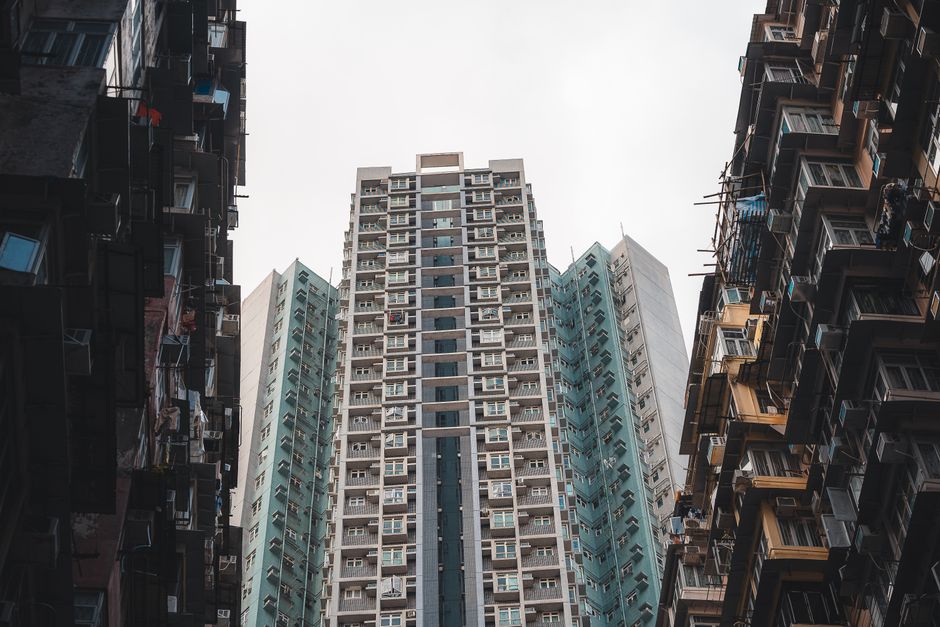
For many Hongkongers, rent is eating up far more of their monthly income than the conventional 30% rule prescribes, a new analysis by The Daily Hong Kong shows. In sought-after neighborhoods like Tai Kok Tsui and Tseung Kwan O, renters told The Daily they routinely hand over more than a third of their pay just to keep a roof over their heads.
The reason is simple: rents are climbing even as many salaries remain flat. With stamp duty on some foreign buyers finally eased this spring, more landlords are holding out for high offers, betting on a new surge of expats and investment from mainland China. Tenants, meanwhile, face fierce competition and few alternatives as median rents for a two-bedroom flat in Kowloon approach HKD 24,000 per month.
Traditionally, financial planners urge renters not to spend more than 30% of their income on housing. In places like the Grand Waterfront complex along Ma Tau Kok Road, though, even careful budgeters find themselves squeezed. A recent listing for a 500-square-foot unit at Grand Waterfront priced the rent at HKD 21,800—meaning a household would need HKD 72,000 per month to stay inside the 30% ratio. Yet the Census and Statistics Department put the citywide median household income at just HKD 34,900 in the first quarter of 2026.
In the New Territories, the situation is only marginally better. A check of rental listings in Yuen Long and Tin Shui Wai shows single-bedroom units generally fetch between HKD 12,000 and 15,000 a month. For a teacher or nurse with income around HKD 28,000, that puts rent close to—or right over—the 30% boundary.
Local think tank Our Hong Kong Foundation recently reported that the average private flat in Hong Kong cost nearly HKD 8.95 million this spring, with the mortgage for an 80% loan at a 4.2% fixed rate working out to monthly repayments of roughly HKD 33,000 over 25 years. For buyers hoping to stay under the same 30% threshold, that would require an income north of HKD 110,000 each month—a profile that fits only a small slice of the professional class or those with family backing.
The Hong Kong Housing Society says public rental housing remains oversubscribed, with an average waiting time of 5.7 years as of May 2026. That leaves most residents to weigh high private sector rents against daunting purchase prices, all while inflation nudges up daily living costs in districts from Kennedy Town to Kowloon Tong.
Is spending more than 30% on shelter sustainable? For now, most experts say the old guideline still makes sense, especially as interest rates have ticked up and utilities, transportation, and food costs continue to climb. Prospective tenants should take a hard look at budgeting, avoid multiyear lease lock-ins if possible, and watch for new Housing Authority rental initiatives—such as the Starter Homes Pilot Scheme launched last year targeting younger households—in case new eligibility windows open. As rents look likely to edge higher through the end of 2026, financial caution may be the city’s best defense against ballooning monthly costs.
Property
Property
Property
Property
About this article
Published by The Daily Hong Kong
Spread the word
Daily brief
Free, in your inbox before 7am. Weekdays.
Before you go
The day's Hong Kong news in a 2-minute read. Free, weekday mornings.