Build-to-Rent Arrives in Hong Kong — But Can It Actually Fix the Renter's Dilemma?
A new generation of purpose-built rental blocks is promising professional tenants longer leases, managed amenities and predictable costs, at a moment when buying remains out of reach for most.
This article was generated by AI from the linked public sources. The Daily Hong Kong is independently owned and covers Hong Kong news free from advertiser or sponsor influence. Read our editorial standards →
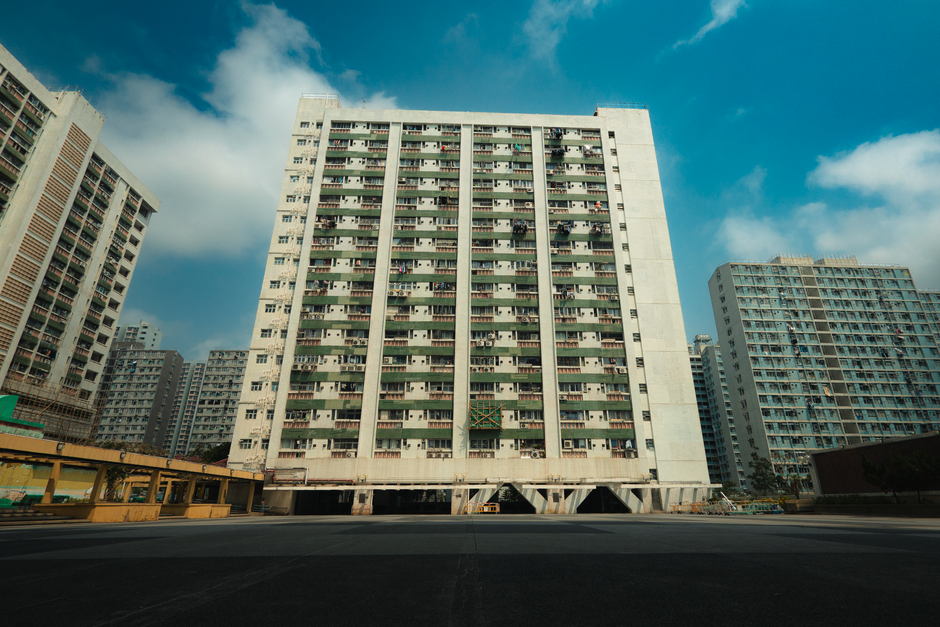
Hong Kong's median flat price still hovers between HKD 8 million and HKD 10 million. For a household earning the city's median monthly income of roughly HKD 36,000, that gap between renting and owning has never looked wider. Build-to-rent — an asset class long established in London and New York — is now edging into the SAR, and developers are betting that a growing cohort of professionals would rather have a well-managed rental than spend a decade saving for a down payment they may never accumulate.
The timing is pointed. Stamp duty concessions introduced in late 2023 have made it marginally cheaper for non-permanent residents to buy, yet transaction volumes in the secondary market remain sluggish. Centaline Property data from the first half of 2026 shows that fewer than 4,200 residential units changed hands per month on average across Hong Kong — a figure that would have seemed catastrophically low five years ago. With buying still stalling, the question of what the rental market actually offers tenants has sharpened considerably.
What Build-to-Rent Actually Looks Like on the Ground
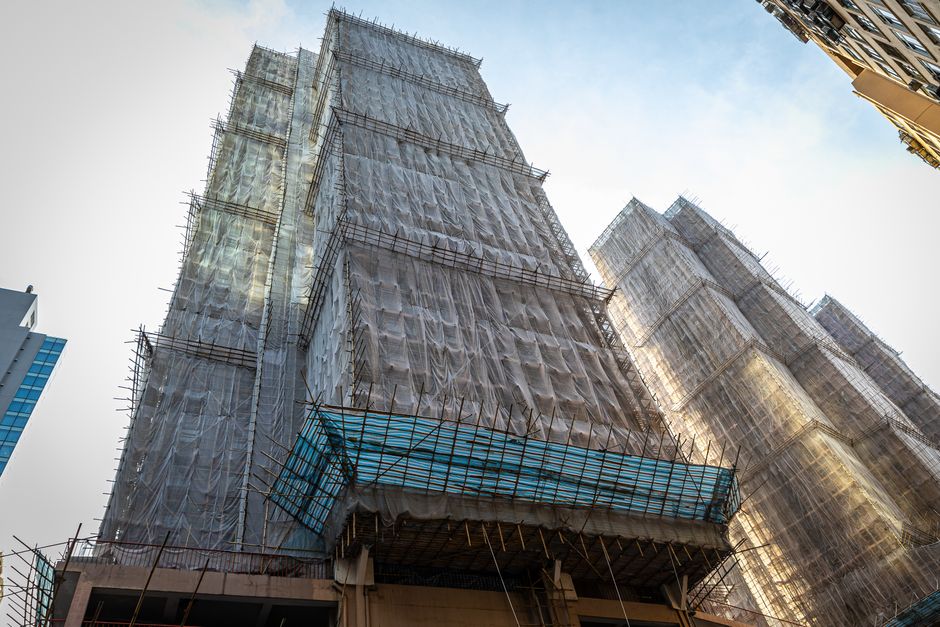
The concept differs from Hong Kong's traditional landlord model in one fundamental way: the entire building is owned and operated by a single institutional entity rather than fragmented among hundreds of individual flat owners. That means standardised leases, on-site management, and amenities — co-working spaces, gyms, parcel lockers — baked into the service rather than bolted on as afterthoughts. Link REIT has flagged residential rental as a diversification target, while newer entrants including Weave Living have already rolled out co-living properties across Wan Chai, Kennedy Town and Tsuen Wan, with monthly rents for a private ensuite room typically running HKD 9,500 to HKD 14,000 depending on floor area and location. That is meaningfully below the HKD 18,000 to HKD 25,000 a comparable self-contained studio commands in the same districts on the open market.
The Urban Renewal Authority's Kai Tak development zone is increasingly being watched as the most likely testing ground for a larger-scale build-to-rent project under the government's 2025 Long Term Housing Strategy review. Several plots along Shing Fung Road in Kowloon East have been earmarked for non-traditional residential use, and planning submissions reviewed by this newspaper indicate at least two developers have submitted proposals featuring institutional rental components. Nothing has been gazetted yet, but the pipeline is real.
The Affordability Arithmetic
Run the numbers and the case for renting looks compelling — up to a point. A HKD 9 million flat in Tseung Kwan O, purchased with a 30 percent deposit and a 25-year mortgage at the current best rate of around 3.625 percent, carries a monthly repayment of roughly HKD 37,500. Even factoring in management fees and rates, a comparable rental in the same district costs HKD 16,000 to HKD 20,000 per month. The monthly saving is real. The catch: the renter builds no equity, and Hong Kong's rental market has historically offered little security of tenure beyond the standard two-year break clause.
Build-to-rent attempts to patch that weakness by offering three-year and five-year lease options with capped annual rent escalation — Weave Living's current standard caps increases at 5 percent per annum. That predictability matters when landlord-initiated rent hikes on the open market have averaged closer to 8 to 12 percent on renewal in popular districts like Sai Ying Pun and Quarry Bay over the past 18 months.
For prospective tenants weighing their options, the practical advice is straightforward: scrutinise the lease escalation clause before signing anything, confirm whether the quoted monthly rate includes rates and management fees, and check whether the building's ownership structure means the operator — not an individual landlord — holds the tenancy agreement. Those three steps separate a genuine build-to-rent product from a rebranded serviced apartment. The sector is young here, the regulation thin, and the marketing often outruns the delivery. Tenants who do their homework will find genuinely competitive options; those who do not may simply end up paying hotel prices for a flat with a longer minimum stay.
Covering property in Hong Kong. This article was generated by AI from the linked sources and was not reviewed by a human editor before publishing. See our editorial standards.