Construction approvals for residential units jumped 18 percent in the first half of 2026 compared with the same period last year, according to Buildings Department figures released this week — but the pipeline is doing little to ease immediate pressure on the city's rental market, where median asking rents in Kowloon have held above HKD 38 per square foot for three consecutive quarters.
The disconnect matters because Hong Kong's post-pandemic rental cycle has entered a peculiar phase. New units are being approved and framed, yet completion dates stretch 24 to 36 months out. In the gap, landlords who watched yields compress during the 2021–2023 slump are clawing back ground, and tenants — particularly those who let go of leases expecting prices to soften — are finding the floor has not arrived.
Supply Coming, But Not Yet
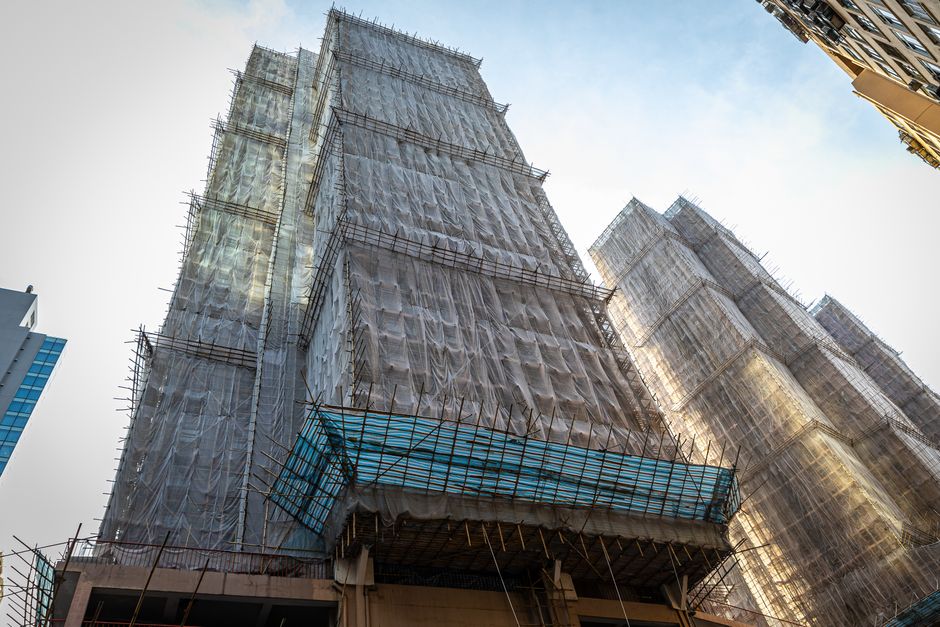
The Kai Tak Development Area remains the single largest source of approved new residential stock. At least four major projects along Muk Ning Street and the former runway precinct received Letters of Compliance or structural approval between January and June, covering a combined total of roughly 3,400 units. MTR Corporation's Lohas Park extension in Tseung Kwan O added another 900 approved units to the count in April. Tuen Mun's Area 54 land sale, which closed in February with a plot ratio of 6.5, is expected to yield just over 1,200 flats once spades hit the ground later this year.
None of these will hand keys to tenants before late 2028 at the earliest. The Urban Renewal Authority's active sites in Sham Shui Po, particularly around Yen Chow Street, are moving faster through the statutory process but still face two years of construction. For anyone hunting a two-bedroom flat in Mong Kok today, that timeline is academic.
Landlords know it. In the private residential sector, the Rating and Valuation Department's latest rental index for small-to-medium flats — those under 752 square feet — rose 3.2 percent in the first quarter of 2026, the sharpest quarterly gain since mid-2019. Vacancy in completed private stock across Hong Kong sat at 4.1 percent as of March 31, down from 6.8 percent at the market's softest point in early 2024. Tighter vacancy almost always translates to harder lease negotiations, and agents working Wan Chai and Quarry Bay report that landlords are once again declining to cover management fees or offer rent-free periods that were standard concessions 18 months ago.
Tenants Looking at Options — or Leaving the Island
Some households are making pragmatic choices. Inquiries at Centaline Property's Fo Tan and Sha Tin branches climbed 22 percent in June compared with June 2025, a sign that tenants priced out of urban Kowloon and Hong Kong Island are once again treating the New Territories as a genuine alternative rather than a last resort. A three-bedroom flat near Fo Tan MTR station can still be had for HKD 18,000 to HKD 22,000 per month — roughly half the equivalent floor area in Causeway Bay or North Point.
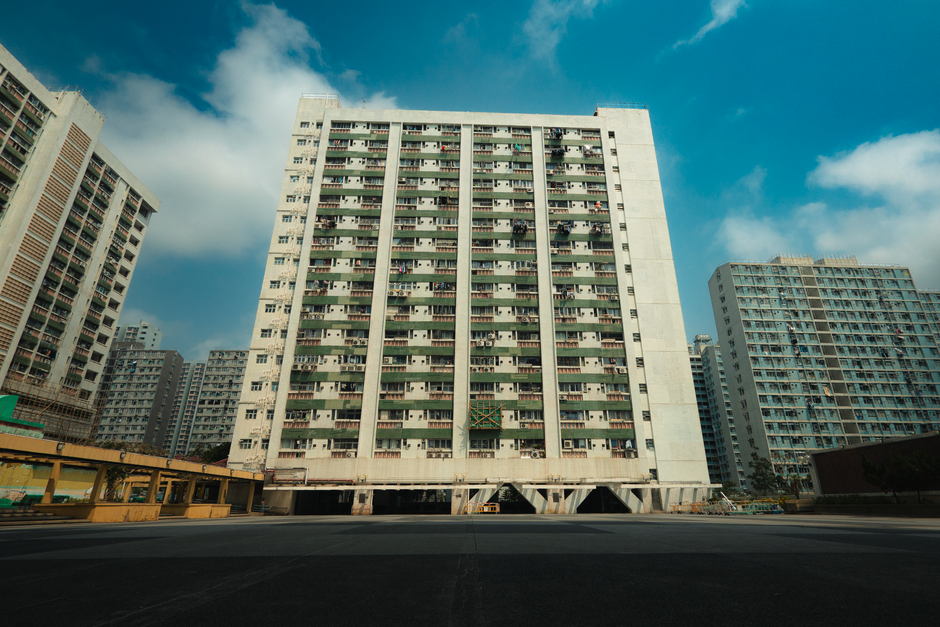
The government's Housing Bureau has pointed to the Public Rental Housing waiting list, which stood at approximately 210,000 households as of Q1 2026, as evidence that supply pressure extends well beyond the private market. The average wait time for a general applicant remains 5.8 years, unchanged from a year ago despite the Hong Kong Housing Authority completing 11,600 public units in 2025–26.
For private tenants renewing leases before Christmas, the practical calculus is stark: lock in now before new approval momentum translates into landlord confidence, or hold out for a market turn that approved-pipeline data suggests will not materialise until at least 2028. Agents advise reviewing break clauses carefully — two-year tenancies with a 12-month break are increasingly difficult to negotiate in buildings along the Island Line corridor. Those with flexibility on location will find better terms north of Boundary Street. Those without it should budget for a renewal increase of 5 to 8 percent and start that conversation with landlords at least three months before expiry.