The arithmetic has turned brutal for Hong Kong homebuyers. Across the city, the monthly cost of servicing a mortgage on a median-priced flat now exceeds the rent on an equivalent unit by roughly HKD 8,000 to HKD 12,000 — a gap that property consultancy Midland Realty estimates is the widest it has been since the first quarter of 2021. For a 400-square-foot flat in Kowloon City priced at HKD 8.5 million, the mortgage repayment on a 30-year loan at current rates hovers around HKD 38,000 a month. Rent the same flat, and a tenant walks away paying HKD 24,000 to HKD 26,000.
The divergence matters now because Hong Kong's stamp duty concessions for non-permanent residents, rolled back progressively since late 2023, have brought overseas capital back into the market. More buyers are in play. But they are not buying to live — they are buying to let, and they are doing it in one particular corner of the New Territories that analysts have started calling out by name.
Why Tuen Mun Is Catching Institutional Eyes
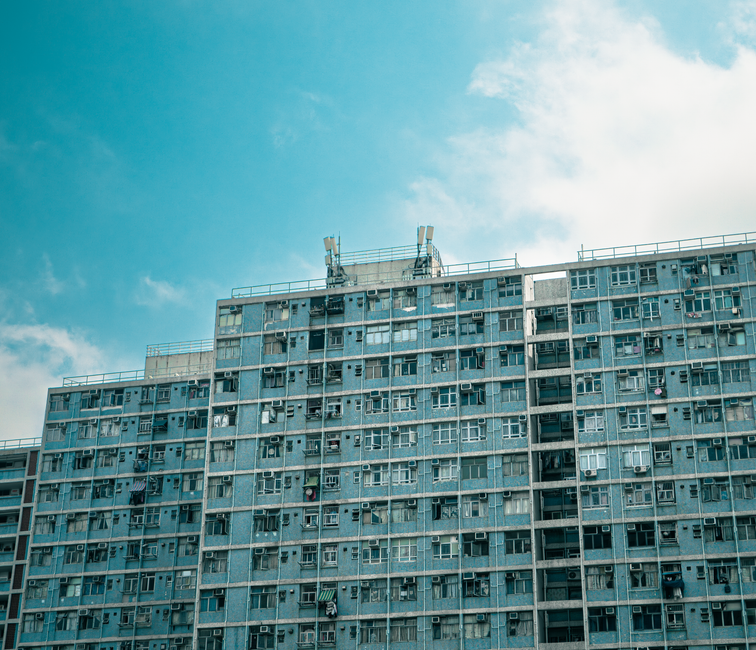
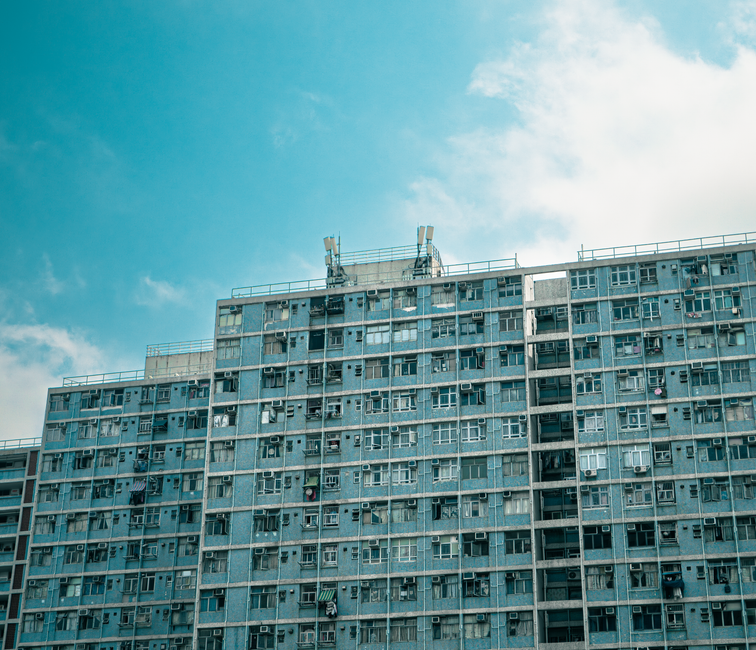
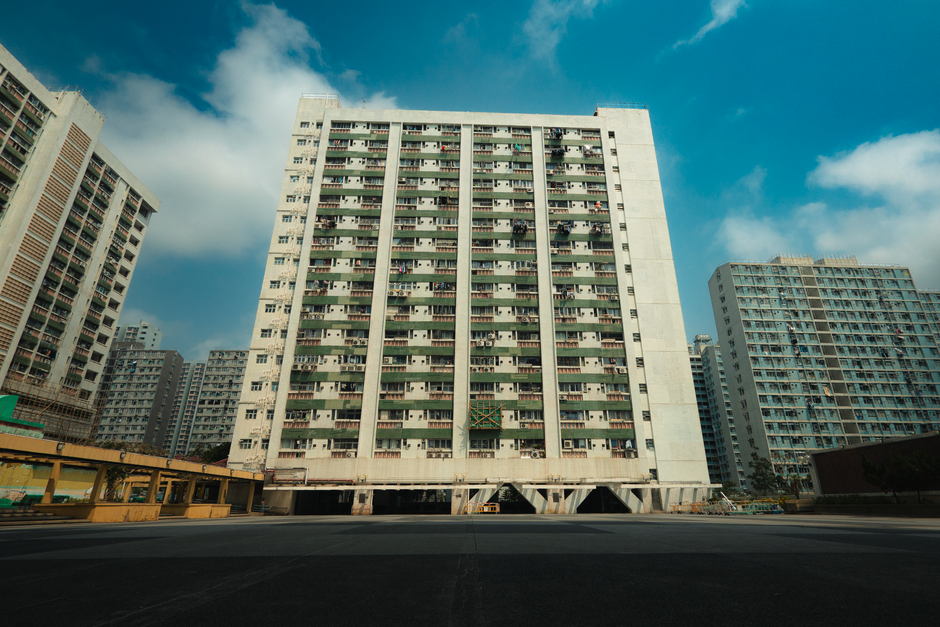
Tuen Mun, long overshadowed by Tin Shui Wai to its north and dismissed as too far from the CBD, has emerged as the neighbourhood where the rent-buy calculus works most cleanly in a landlord's favour. Entry prices for a standard two-bedroom unit along Tuen Mun Heung Sze Wui Road or in the estate clusters around Siu Hong MTR station start at HKD 4.2 million to HKD 4.8 million — well below the city median. Rental yields in those same pockets are running at 4.1% to 4.6% gross, according to transaction data compiled by Centaline Property Agency for the first half of 2026. That figure sits a full percentage point above the gross yield available on a comparable flat in Sha Tin or Tseung Kwan O.
The Tuen Mun-Chek Lap Kok Link, now two years into full operation, changed the commute equation. A driver can reach the airport in under 20 minutes, and the Western Coast Road feeds into the Tsing Ma corridor without the Kowloon bottleneck. Young cross-boundary workers employed in the Qianhai Shenzhen-Hong Kong Modern Service Industry Cooperation Zone have started treating Tuen Mun as a staging post — close enough to the Heung Yuen Wai boundary crossing by express bus, cheap enough to rent without ruining a monthly budget.
The Tenant's Rational Choice — and What It Means for Owners
For anyone without family money or an employer housing subsidy, renting is the rational short-term position. A household earning HKD 60,000 a month — solidly middle-class by Hong Kong standards — would spend 63% of gross income servicing a mortgage on a HKD 8 million flat, assuming a 40% down payment they likely do not have. Renting the same flat consumes closer to 40%. The Hong Kong Monetary Authority's stress-test requirement, which demands borrowers prove they can still afford repayments if rates rise 200 basis points, knocks out a significant slice of otherwise eligible applicants.
That squeeze has a counterintuitive beneficiary. Landlords in Tuen Mun's newer estates — Castle Peak Road developments completed between 2019 and 2023, and the Nano flat clusters near Tuen Mun Town Plaza — are reporting vacancy rates below 3%, compared with a citywide figure closer to 5.8% published by the Rating and Valuation Department in its May 2026 quarterly report. Demand is consistent, turnover is low, and the pool of prospective tenants is growing as would-be buyers sit on their hands.
Investors watching this market should move with their eyes open. Infrastructure is the thesis: if the proposed Northern Metropolis development zones accelerate under the current Policy Address commitments, land values north and west of Tuen Mun will reprice. But infrastructure timelines in Hong Kong have slipped before, and a flat yielding 4.3% gross still nets closer to 3.1% after management fees, rates, and vacancy allowance. The rent-buy gap may be the widest in five years, but the city's property cycle has humbled confident timing calls before. What is clear is that Tuen Mun's rental fundamentals — low entry price, tightening vacancy, improving connectivity — are drawing capital that even six months ago was looking elsewhere.