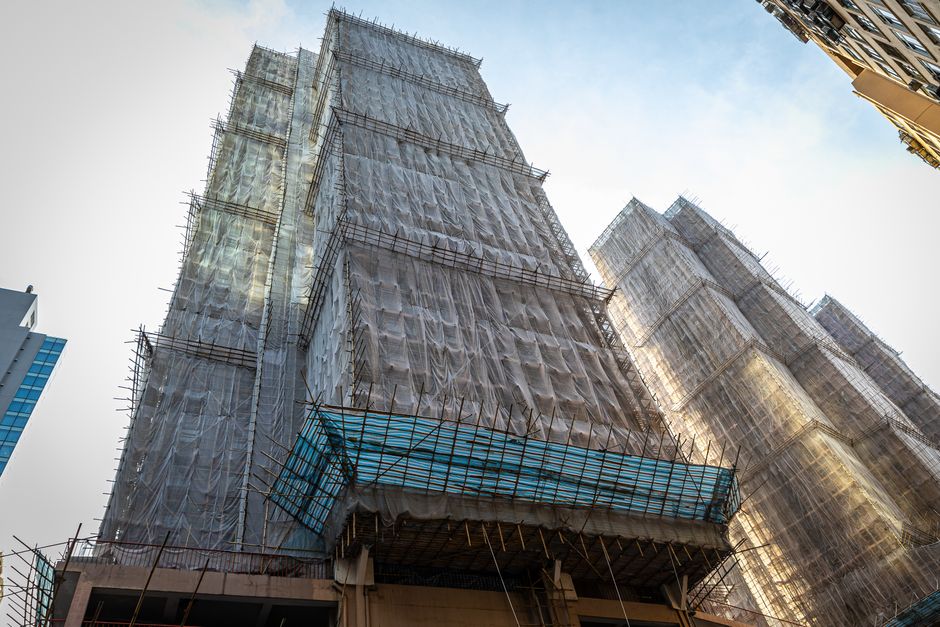
Approvals for new residential projects in Hong Kong climbed to a 14-month high in the second quarter of 2026, according to Buildings Department figures released last week, with 23 schemes granted consent between April and June. That pipeline is now feeding directly into launch prices — and buyers who haven't done their arithmetic are getting burned.
The timing matters because the market has shifted fast. The government's decision in late 2023 to scrap most additional stamp duties for non-permanent residents triggered a two-year recalibration. Foreign and mainland buyers — locked out for years by the 15 percent buyer's stamp duty — came back. Developers read that demand, held land, and are now releasing inventory at a pace the city hasn't seen since 2018. What looks like a buyer's market in terms of choice is, in reality, a seller's market on price.
Kai Tak and Tuen Mun Are Setting the Terms
The most aggressive activity is concentrated at two ends of the affordability spectrum. At Kai Tak, where the former airport site has been under phased development for years, Sun Hung Kai Properties is marketing the latest phase of AERA Kai Tak at indicative prices starting around HK$18,000 per square foot for sea-facing units — a figure that has climbed roughly 8 percent since the project's first phase released in late 2024. The MTR Kai Tak Station opens its full service later this year, and developers have priced that infrastructure premium in already, not after the fact.
At the other end, Tuen Mun's Castle Peak Road corridor has seen three new consent notices in the second quarter alone. Smaller developers targeting first-time buyers are pitching units from HK$4.2 million for sub-350-square-foot flats — below the city's median flat price of roughly HK$8 million to HK$10 million, but only just within reach of households relying on the Hong Kong Mortgage Corporation's 90 percent loan guarantee scheme, which caps the property value eligible for that coverage at HK$10 million.
Meanwhile in Kowloon, the West Kowloon Cultural District's residential catchment — the streets around Austin Road West and the Yau Ma Tei waterfront — is absorbing overflow demand from buyers priced out of Kai Tak. New completions here have absorbed quickly, with Centaline Property reporting average transaction times of under three weeks for units below HK$12 million in that corridor through May and June.
What the Data Says — and What Buyers Should Do
The Rating and Valuation Department's index for private domestic properties (Class A, below 40 square metres) sat at 132.4 in May 2026, up from 127.6 in January — a 3.8 percent gain in five months that outpaces wage growth for most Hong Kong households. Mortgage rates have stabilised around the prime rate minus 2.5 percent, putting effective borrowing costs near 3 percent annually, but analysts at Hang Seng Bank's property research desk flagged in a June note that any tightening by the US Federal Reserve in the third quarter flows directly into Hong Kong rates under the currency peg.
For buyers, that linkage is the single most important variable right now. A developer's show flat in Kai Tak or a presale brochure from a Tuen Mun site will not tell you that story. The practical checklist is short but serious: confirm whether the unit's price per square foot is calculated on gross or saleable area — the difference routinely runs 20 to 25 percent in newer projects — check the Lands Registry for the developer's mortgage arrangements, and verify whether your intended property sits within the HKMC guarantee ceiling before approaching a bank.
The Buildings Department's consent surge suggests the pipeline stays full through late 2026, meaning buyers are not under pressure to act on a single project. Patience, in this cycle, is actually an option — but only for those who have done the rate-sensitivity calculation on their own finances before walking into a sales office.