Sha Tin's median monthly rent for a 500-square-foot flat sits around HK$14,500 — about half the HK$28,000 monthly mortgage repayment a buyer would service on a comparable unit at Tung Chung's Coastal Skyline development. That arithmetic is driving a measurable shift in investor interest toward one of the New Territories' most established but long-underappreciated residential corridors.
The timing matters. Hong Kong's stamp duty reforms, which slashed the additional buyer's stamp duty from 15 percent to 7.5 percent for non-permanent residents late last year, unlocked a fresh pool of mainland Chinese and expatriate money that has now had several months to filter through the market. Much of that capital, agents say, bypassed the hyped West Kowloon waterfront sites and landed instead in Sha Tin — drawn by lower entry prices, solid transport links, and the kind of rental yield that the island and Kowloon Peninsula stopped offering years ago.
Why Fo Tan and City One Are Doing the Heavy Lifting
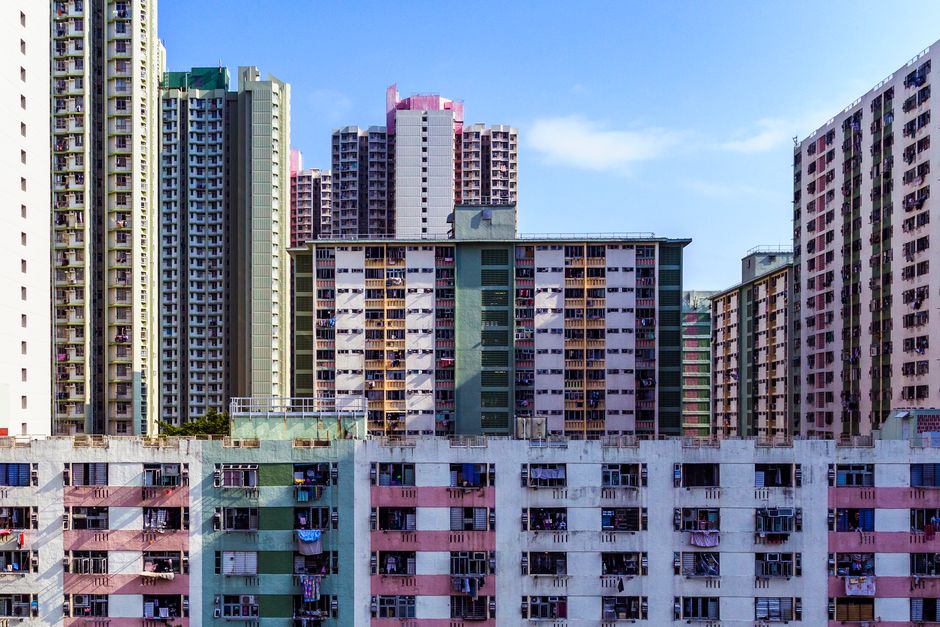
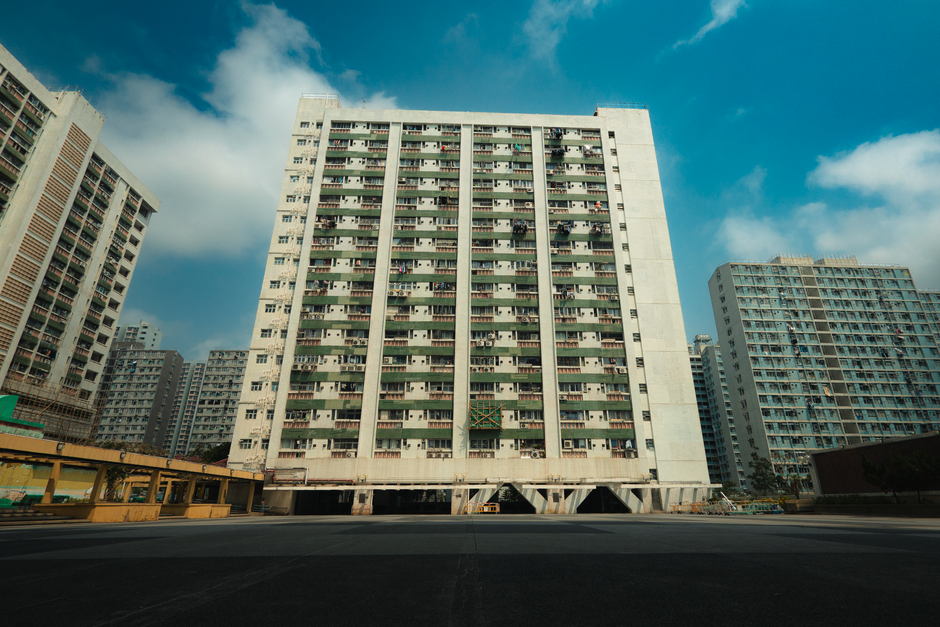
Two micro-markets within Sha Tin account for the bulk of the action. Fo Tan, anchored by the Fo Tan MTR station on the East Rail Line, has attracted buyers targeting the science and technology tenant base clustered around the Hong Kong Science Park on Pak Shek Kok Road. Units in Regentville — a sprawling estate of more than 2,000 flats off Fo Tan Road — have changed hands this year at between HK$5.8 million and HK$7.2 million for two-bedroom configurations, generating gross rental yields of around 3.8 to 4.2 percent. That is roughly 80 basis points above the city-wide average for private residential stock.
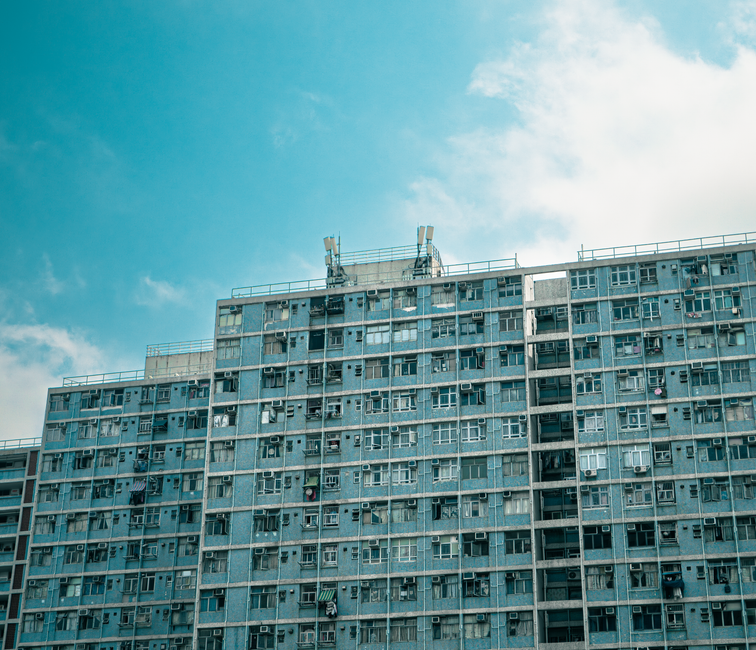
City One Shatin, the 10,642-flat megadevelopment completed in phases during the 1980s near Sha Tin MTR station, remains the district's most liquid market. Transaction volumes in City One during the first half of 2026 were up roughly 22 percent compared with the same period in 2025, according to data compiled by Centaline Property Agency. The entry point — around HK$4.5 million for a 392-square-foot studio — is low enough that investors can finance a purchase with a 30 percent down payment and still achieve positive cash flow if they let at prevailing market rents rather than leaving a unit vacant.
The contrast with Tung Chung on Lantau Island is stark. Government projections tied to the Northern Metropolis development strategy have consistently talked up Lantau's long-term potential, but Tung Chung's oversupply problem — more than 8,000 units pipeline-approved under the Tung Chung New Town Extension — continues to suppress rents even as purchase prices remain elevated on infrastructure optimism. A buyer who paid HK$9.5 million for a two-bedder near LOHAS Park in 2024 is servicing carrying costs that the current rental market simply cannot support.
Transport and Schools Keep the Tenant Pool Deep
Sha Tin's structural advantage is its connectivity. The East Rail Line runs through Sha Tin, Tai Wai, Fo Tan, and Racecourse stations, putting the district 25 minutes from Hung Hom and less than 40 minutes from Admiralty via the cross-harbour extension that opened in 2022. That commute time is competitive with many MTR-served parts of Kowloon.
Schools reinforce demand. Sha Tin is home to the English Schools Foundation's Sha Tin College on Lai Wo Lane as well as a cluster of Direct Subsidy Scheme secondaries, making it a practical choice for families who want space — the district's average unit size exceeds 650 square feet, well above the Hong Kong average — without committing to the premium that Mid-Levels or Tai Po commands for comparable catchment areas.
For investors weighing their next move, the calculation is relatively clean. Sha Tin offers a rare combination: an established MTR corridor, a proven rental tenant base drawn from the Science Park and Sha Tin Town Hall employment clusters, and entry prices that are still 20 to 30 percent below equivalent square footage in Kowloon Tong. Agents at Midland Realty's Sha Tin branch report that enquiries from cash buyers holding Hong Kong dollar deposits — including some rotating out of underperforming Tung Chung positions — have picked up noticeably since May. The window that pricing gap creates will not stay open indefinitely.