Property
Hong Kong's Stamp Duty Cuts Make Buying Competitive Against Renting Again
Policy reversals and a flood of new completions are forcing prospective buyers to run the numbers again — and for many, renting is winning.
4 min read
Property
Policy reversals and a flood of new completions are forcing prospective buyers to run the numbers again — and for many, renting is winning.
4 min read
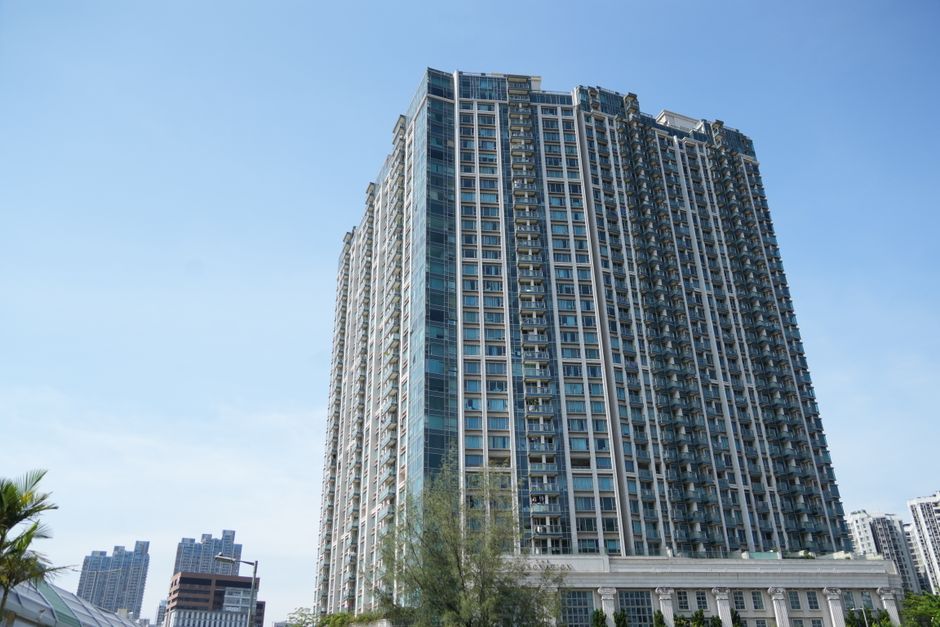
The break-even point between renting and owning a flat in Hong Kong has quietly moved against buyers. With the government having rolled back most of the demand-side cooling measures introduced after 2010 — including slashing the additional stamp duty that once added 15 percent to the purchase price for foreign buyers — the market was supposed to surge. Instead, a combination of rising mortgage rates, record completions and softening rents has produced a more complicated picture. For the average household weighing a HK$9 million flat in Kowloon against a monthly lease, the numbers increasingly favour staying put as a tenant.
Why now? The final tranche of the Non-Permanent Resident stamp duty concessions took effect in late 2024, and the government followed with a further relaxation of the Special Stamp Duty holding-period rules in early 2025. Developers and agents cheered. But the timing coincided with the Mass Transit Railway Corporation's completion of the Hung Shui Kiu station on the Northern Link — connecting a district where more than 11,000 new units were scheduled to hand over between 2025 and 2027. Oversupply in the New Territories North has rippled back into Kowloon asking prices faster than many analysts expected.
Take Cheung Sha Wan Road in Sham Shui Po. A 450-square-foot flat that sold for HK$8.3 million in March 2025 is now achievable at roughly HK$7.7 million. On paper that looks like an entry point. But with HIBOR-linked mortgage rates hovering around 4.125 percent as of June 2026, the monthly repayment on a 30-year, 60-percent loan-to-value mortgage comes to approximately HK$22,400 — before management fees, rates and maintenance. An equivalent unit one floor up in the same block is available to rent for HK$14,500 a month. The monthly gap is nearly HK$8,000, and that is before factoring in the HK$385,000 in stamp duty and legal fees a buyer would absorb on Day One.
In Mid-Levels West, near Robinson Road, the dynamic is sharper. Two-bedroom flats that commanded HK$40,000 a month in rent during 2021 are now finding tenants at HK$29,000 to HK$32,000. Purchase prices for comparable units around the HK$18 million to HK$22 million bracket have not fallen proportionally. The Midland Realty residential price index showed a 9.2 percent year-on-year decline across Hong Kong Island as of May 2026, but rental indices from the Rating and Valuation Department tracked a steeper 13 percent drop in the same period for Grade B and C residential stock. Landlords are absorbing the pain; buyers considering leverage are exposed to it differently.
The Northern Metropolis development blueprint — covering the Kwu Tung North and Fanling North new development areas — remains the single largest policy variable hanging over medium-term supply. The Planning Department confirmed in its February 2026 review that roughly 71,000 units are under various stages of planning or construction within the Northern Metropolis footprint. Even if delivery slips by 18 months, which is the historical norm for large-scale Hong Kong public housing programmes, the pressure on private resale stock in the New Territories and northern Kowloon is structural and lasting.
For prospective buyers, the practical calculation is uncomfortable but not hopeless. Renting now and accumulating a larger deposit over 24 to 36 months may close the loan-to-value gap enough to materially cut monthly repayments — particularly if the Hang Seng Index Mortgage Rate edges lower alongside any US Federal Reserve action in late 2026 or early 2027. Those with genuine long-term horizons — and a tolerance for the illiquidity of Hong Kong real estate — still have a case to make for buying in districts like Tuen Mun or Yuen Long where yield compression has been less severe. But for anyone in a rush, or anchored to Hong Kong Island or urban Kowloon, the sums say: keep your landlord happy for now.
Property
Property
Property
Property
About this article
Published by The Daily Hong Kong
Spread the word
Daily brief
Free, in your inbox before 7am. Weekdays.
Before you go
The day's Hong Kong news in a 2-minute read. Free, weekday mornings.