Rents in Hong Kong's outer districts are climbing toward levels once considered the exclusive territory of Kowloon City and Wan Chai, driven by a surge of new residential completions that are simultaneously attracting higher-income tenants and squeezing out the budget seekers those areas traditionally served. The gap between median monthly rents in the New Territories and core urban districts has narrowed to roughly 18 percent, down from a spread closer to 30 percent three years ago, according to figures tracked by Midland Realty through the first half of 2026.
The timing matters. Hong Kong's overall residential market has been recalibrating since the government scrapped the additional buyer's stamp duty surcharge for non-permanent residents in late 2023, a policy shift that gradually fed demand back into the leasing sector as some prospective buyers returned to renting while watching prices stabilise. With median flat prices still sitting between HK$8 million and HK$10 million citywide, monthly mortgage repayments on a typical 30-year loan remain well above HK$35,000 for most buyers, keeping the rental pool large and competitive.
Kai Tak and Tuen Mun Lead the New Supply Wave
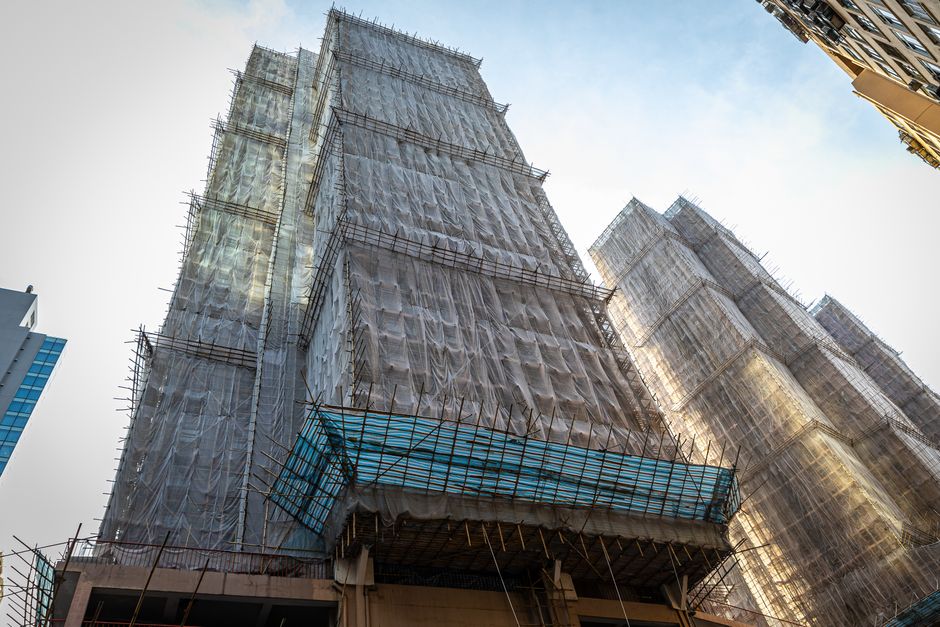
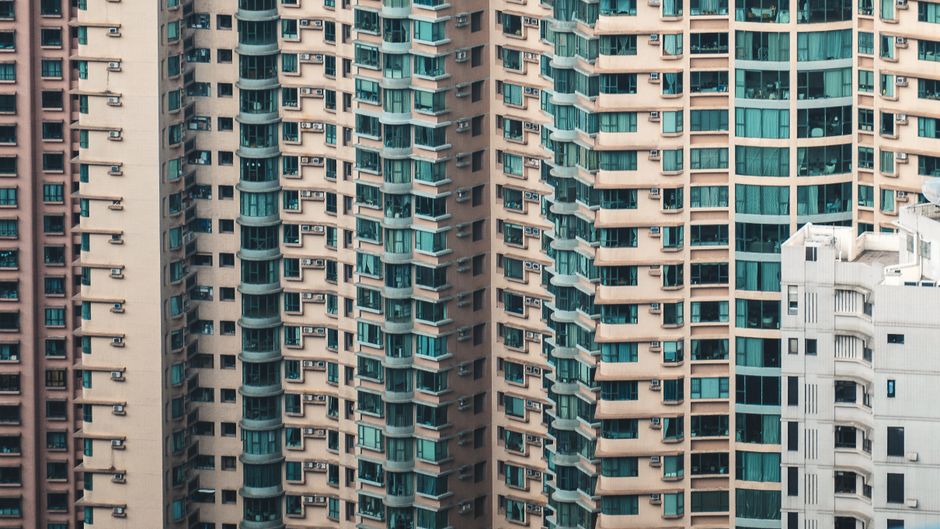
The most consequential projects are clustered in two very different parts of the city. At the old Kai Tak airport site in Kowloon East, the Airside residential towers developed under the broader Kai Tak Development Area masterplan have been delivering units since late 2024. The newest phase, sitting adjacent to the Kai Tak MTR station on the Tuen Ma Line, has pushed average asking rents in the immediate precinct to around HK$45 to HK$52 per square foot per month — figures that would not have looked out of place in Hung Hom or To Kwa Wan just four years ago. Two-bedroom units of roughly 600 square feet are listing at HK$27,000 to HK$31,000 monthly, according to listings data from Centaline Property as of June 2026.
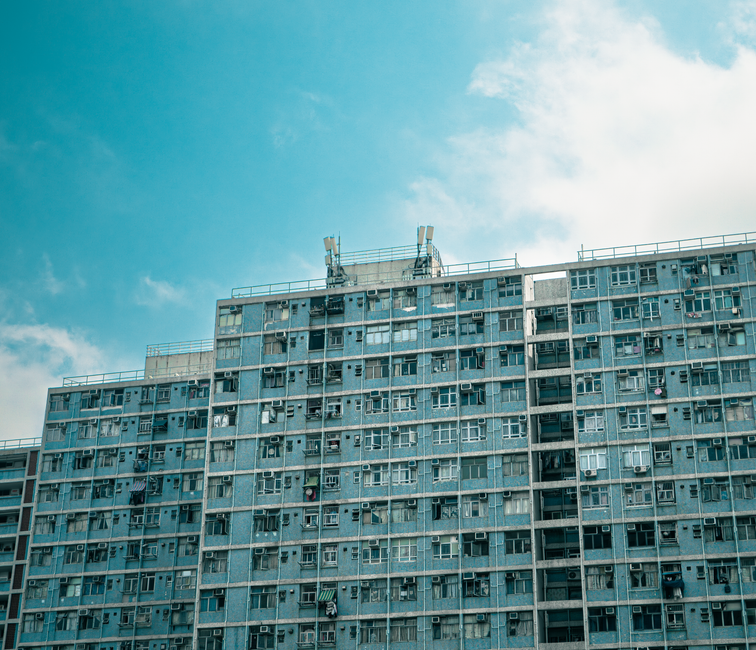
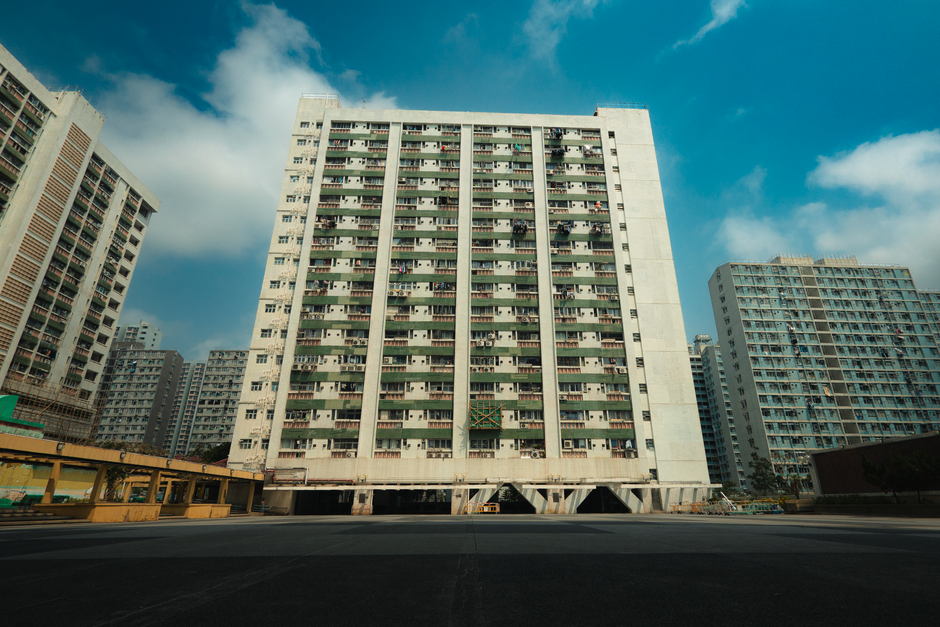
Out in Tuen Mun, the picture is different but the direction is the same. The Town Centre North redevelopment corridor, anchored by new mixed-use blocks near Tuen Mun Road and the light rail interchange, has attracted tenants relocating from Tsuen Wan and even Sham Shui Po, drawn by newer stock and slightly lower base rents. A 500-square-foot one-bedroom in one of the recently completed blocks along Castle Peak Road — Castle Peak Bay section — is now achieving HK$14,000 to HK$16,000 per month, representing a 12 to 15 percent premium over comparable older stock in the same district.
The MTR Corporation's Tuen Mun South Extension, due to open its first stations in late 2027, is already priced into landlord expectations along the projected corridor. Agents working the area report that landlords near the future Tuen Mun South station are holding firm on rents even when units sit vacant for six to eight weeks.
What Tenants and Investors Should Watch
The convergence is not uniform. Sai Kung and the northern New Territories corridor around Sheung Shui remain more insulated, with rents still trailing urban Kowloon by 25 percent or more. But the pattern in transit-connected districts is clear enough that property analysts at JLL Hong Kong flagged the trend in their Q2 2026 residential report, noting that new-build premiums in outer districts were compressing the traditional affordability argument for suburban living.
For tenants, the practical calculus is shifting. A household that might have moved to Tuen Mun or Ma On Shan two years ago to save HK$8,000 a month compared to renting in Kowloon Tong may find the saving is now closer to HK$4,000 — while commute times remain 40 to 55 minutes by rail. Those savings still matter on a tight budget, but the equation is less clear-cut than it was. Tenants negotiating leases in new developments should focus on rent-free periods and management fee structures, which in newer towers can add HK$1,500 to HK$2,500 monthly on top of headline rent figures, rather than assuming the sticker price tells the whole story.