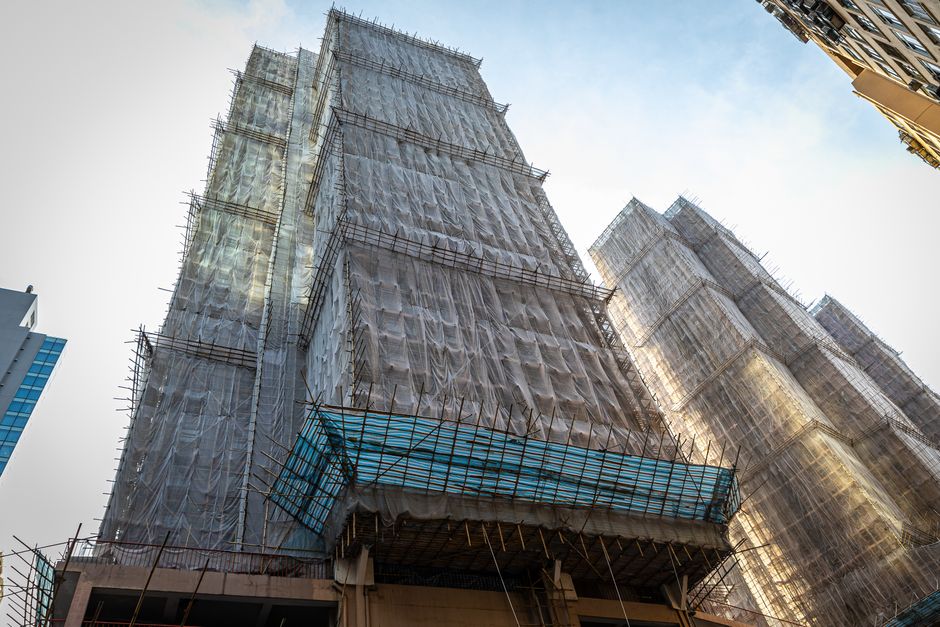
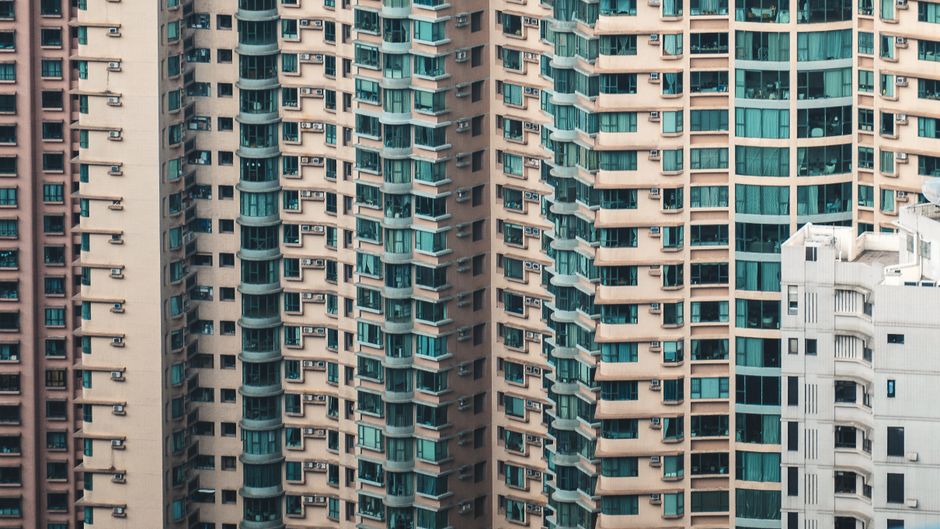
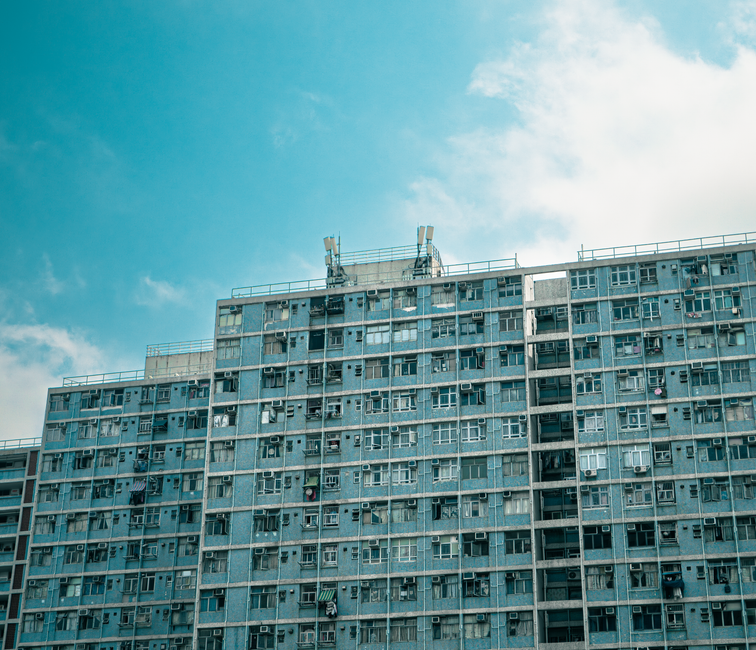
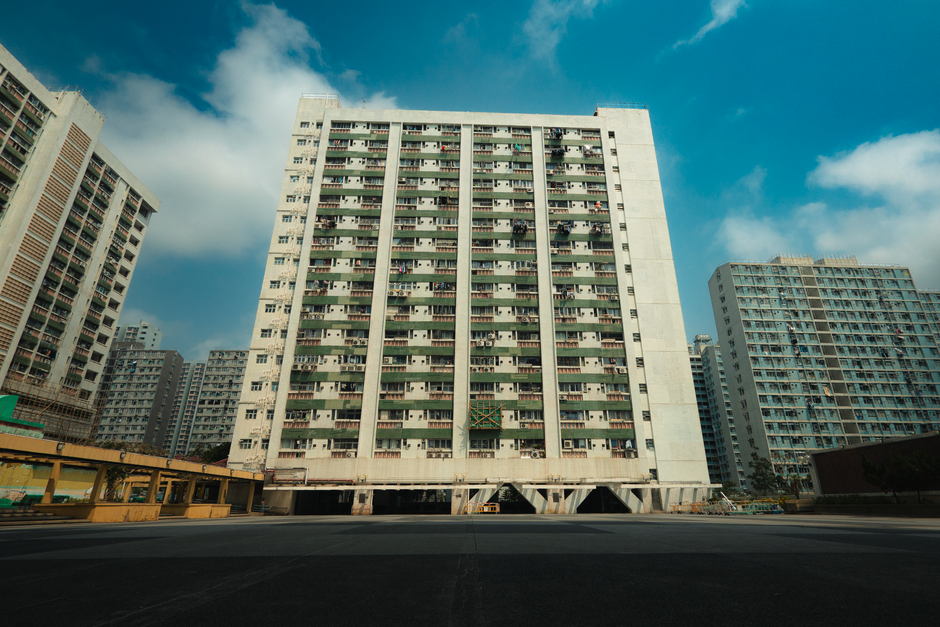
The median Hong Kong flat costs somewhere between HK$8 million and HK$10 million. For a first-time buyer earning the city's median household income of roughly HK$30,000 a month, that means saving for a down payment alone could take the better part of a decade—assuming you save every cent. That number hasn't shifted dramatically despite the government's 2024 stamp duty overhaul, which drew more overseas interest than it did local relief.
Why does this matter right now, in July 2026? Two reasons. The Hong Kong Monetary Authority held its benchmark rate steady at 4.75 percent through the first half of the year, keeping mortgage costs elevated. At the same time, a modest increase in new supply from the Northern Metropolis development corridor has given buyers more options in the New Territories than they've had in years—but only if they know where to look and how to structure a purchase.
Where the Entry Points Actually Are
Forget the Peak. Forget Mid-Levels, where a 500-square-foot flat on Conduit Road will set you back north of HK$12 million. For first-timers, the realistic hunting grounds are Tuen Mun, Tin Shui Wai, and the newer estates clustered around the Kwu Tung North New Development Area. In Tuen Mun, a 400-square-foot two-bedroom unit in estates like Kingswood Villas has been transacting in the HK$3.5 million to HK$4.2 million range through the first half of 2026—well below the citywide median. That brings the minimum down payment, at the standard 10 percent threshold for flats under HK$4 million under the Hong Kong Mortgage Corporation's High Loan-to-Value scheme, down to around HK$350,000 to HK$420,000. Still serious money, but achievable.
In Kowloon, the picture sits somewhere in between. Flats in To Kwa Wan—a neighbourhood transformed by the Tuen Ma Line extension—have been moving at HK$5.5 million to HK$7 million for units around 400 to 500 square feet. Buyers here typically need at least HK$550,000 liquid, and that's before legal fees, agency commissions running at roughly 1 percent of purchase price, and stamp duty. First-timers who are permanent residents still benefit from the ad valorem stamp duty rate rather than the higher rates that applied before the 2024 reforms, which is one genuine advantage worth knowing.
The Programs That Can Actually Help
The Hong Kong Housing Society's Green Form Subsidised Home Ownership Scheme and the Urban Renewal Authority's flat sales in districts like Sham Shui Po are worth tracking closely. The Home Ownership Scheme, administered by the Housing Department, sells flats at a discount to market price—typically 30 to 40 percent below—to eligible applicants. The 2025 application round was oversubscribed by more than eight times. The 2026 ballot opens in September; registration closes August 15.
The HKMC Insurance Limited's mortgage insurance programme is the other lever first-timers should pull. It allows buyers to borrow up to 90 percent of a property's value on flats priced up to HK$10 million, reducing the cash barrier. The trade-off is a mortgage insurance premium of between 1.31 and 4.35 percent of the loan amount, which most buyers roll into the loan itself.
Interest rates remain the wild card. If the US Federal Reserve cuts twice before year-end—as some analysts expected heading into the second half of 2026—Hong Kong banks would likely follow within a quarter, trimming mortgage rates modestly. A 25-basis-point cut on a HK$3.5 million mortgage saves roughly HK$700 a month. Not transformative, but real.
The practical advice: get a pre-approval letter from a bank before you start viewing seriously. Budget for total purchase costs of 4 to 5 percent above the sticker price. Consider New Territories estates within 20 minutes of an MTR station as your primary search zone—Tin Shui Wai Light Rail connections and the Kwu Tung station scheduled for completion in 2027 will matter for resale value. And apply for the Home Ownership Scheme ballot regardless of whether you think you'll win. Eight-to-one odds are long. But someone wins every year.