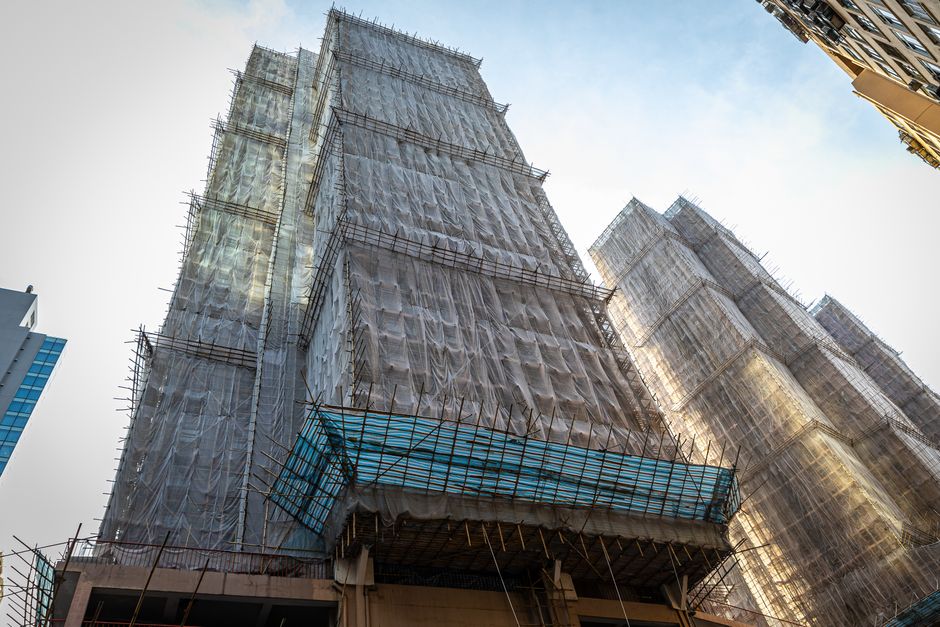
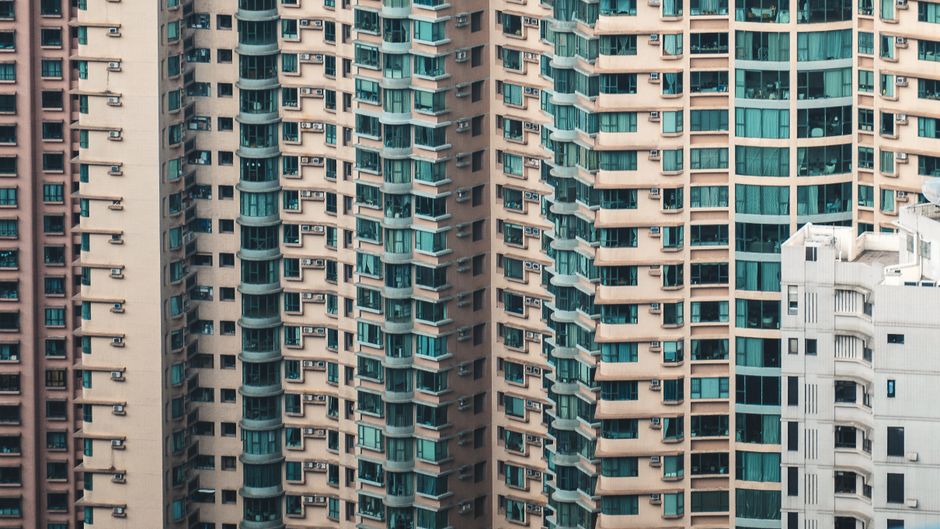
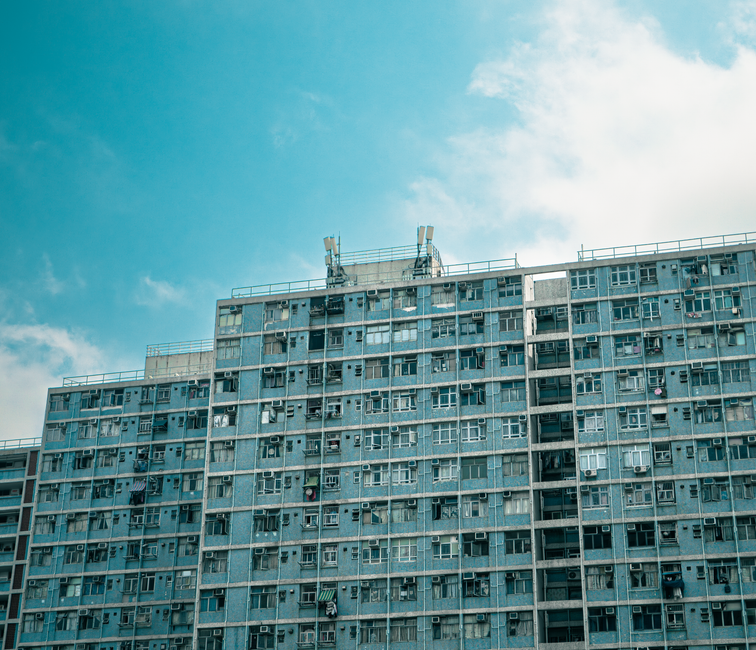
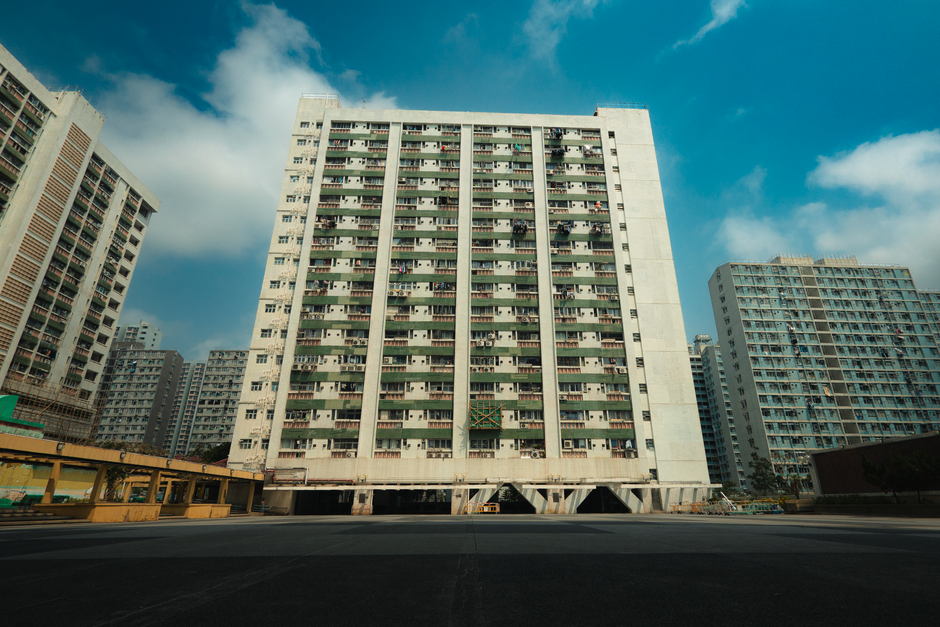
Hong Kong's median private flat price has held stubbornly between HK$8 million and HK$10 million through the first half of 2026, according to data tracked by the Rating and Valuation Department. For a household earning the city's median monthly income of roughly HK$30,000, that gap is not a ladder — it is a wall. Yet property ownership remains a near-religious aspiration here. Rent-vesting, the strategy of renting your primary residence while purchasing investment property elsewhere, is gaining traction precisely because it lets people stay in the game without mortgaging their entire financial life to a single flat in Kowloon.
The timing matters. The Hong Kong Monetary Authority kept the base rate on hold at 4.75 percent through June, and mortgage financing for a HK$9 million flat typically requires a down payment of at least 40 percent — HK$3.6 million — under existing Loan-to-Value guidelines. For most working households, assembling that sum while paying city-centre rent can take a decade. Rent-vesting offers a detour: deploy a smaller capital sum into a lower-priced market, collect rental income, build equity, and stay mobile in Hong Kong by renting a flat closer to your workplace than you could ever afford to buy.
Where the Numbers Sit Right Now
A two-bedroom flat in Quarry Bay rents for roughly HK$18,000 to HK$22,000 per month. An equivalent unit for sale on the same streets — King's Road and its side streets near Taikoo MTR — is listed at HK$9 million to HK$11 million. The implied gross rental yield is approximately 2.4 percent. Compare that with the mortgage interest rate: at 4.75 percent, a buyer borrowing HK$5.4 million to cover 60 percent of a HK$9 million purchase is paying annual interest of roughly HK$257,000 before principal, management fees, rates, and maintenance. The monthly cost of ownership is comfortably double the monthly cost of renting the same flat. That spread — ownership costs running at roughly 200 percent of rental costs — is the engine that makes rent-vesting worth examining.
The Hong Kong Real Estate Agency Association has noted increased enquiries from local buyers asking about overseas property from Japan, the United Kingdom, and Southeast Asian markets. Japan's weakened yen has drawn particular attention; a one-bedroom unit near Osaka's Namba district can be acquired for the equivalent of HK$1.5 million to HK$2.5 million, with gross yields sometimes reaching 5 to 6 percent. That is a fraction of the down payment required for a Quarry Bay flat, and the carry cost is substantially lower.
The Practical Architecture of a Rent-Vesting Plan
Rent-vesting is not passive. It requires discipline in three areas: choosing a rental home in Hong Kong that keeps monthly outgoings genuinely below ownership costs, selecting an overseas or Mainland asset with credible yield and liquidity, and — critically — not letting lifestyle creep absorb the savings differential. A tenant in a mid-tier flat in Tseung Kwan O, where two-bedroom units rent from HK$14,000 per month, pockets a meaningful cost advantage over an owner-occupier servicing a mortgage on the same unit. Redirect HK$8,000 to HK$12,000 per month into an overseas property fund or direct purchase, and the compounding effect over seven years is material.
There are real risks to map honestly. Currency exposure is non-trivial; a yen-denominated property or a sterling-denominated flat in Manchester generates returns that fluctuate with exchange rates. Hong Kong residents also face buyer's stamp duty considerations in some jurisdictions, and property management across time zones carries cost and complexity that agents do not always advertise upfront. The Hong Kong Housing Society's advisory services and the Mandatory Provident Fund Schemes Authority have both produced guidance on diversifying retirement assets, and those documents are worth reading before signing anything.
The underlying logic is durable: in a city where the price-to-income ratio on residential property routinely exceeds 20, renting your home is not a failure to launch. For many households, it is the most financially coherent way to stay resident in Hong Kong while building a property portfolio that actually yields something. The strategy asks you to separate where you live from where you invest — a distinction that has always been obvious in commercial real estate and is becoming harder to ignore in residential.