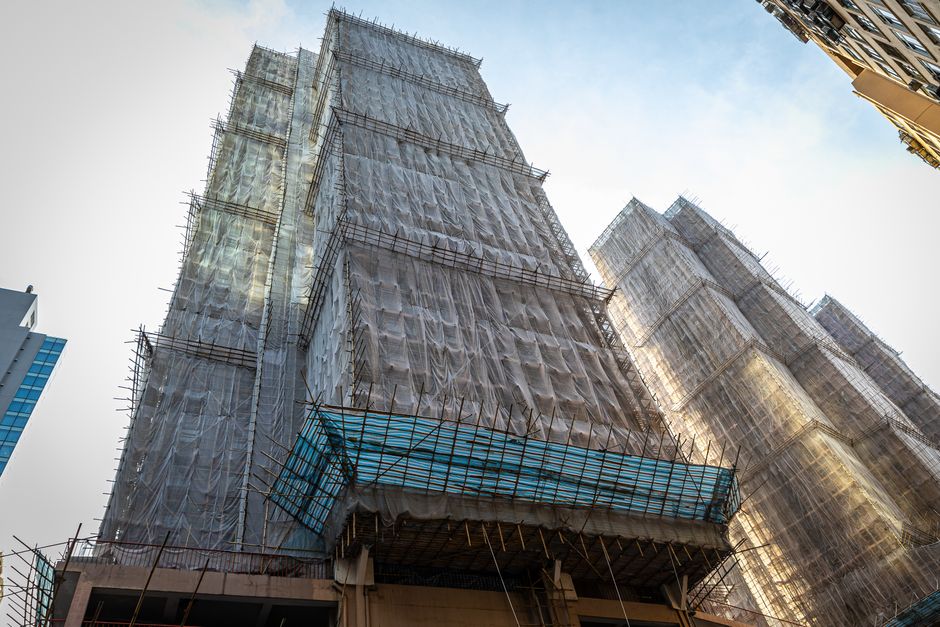
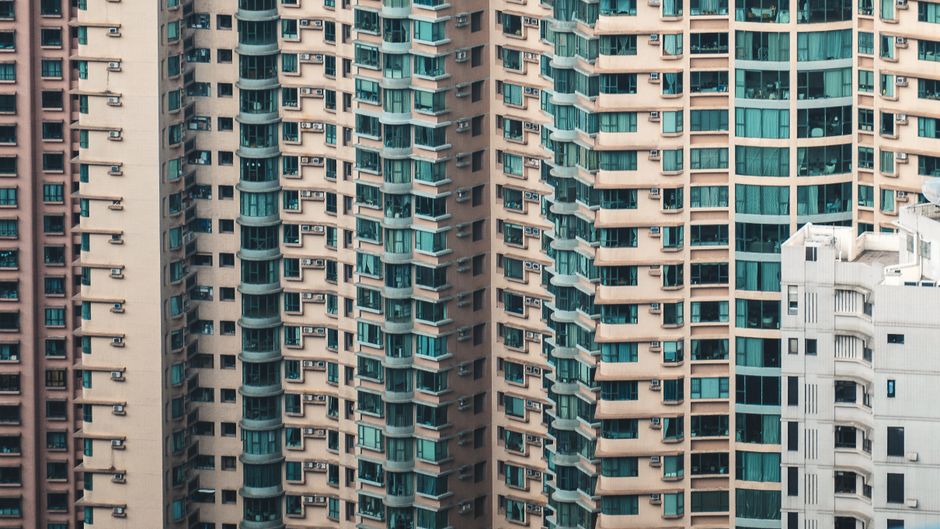
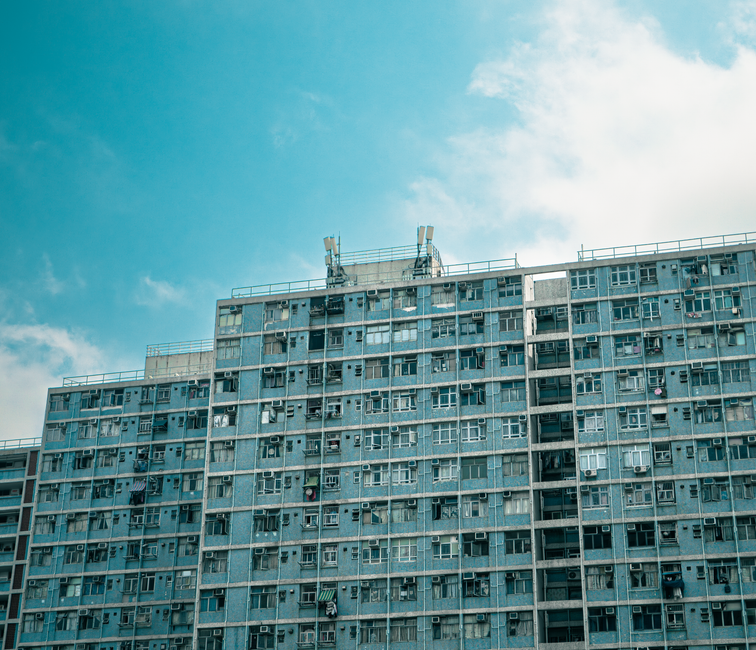
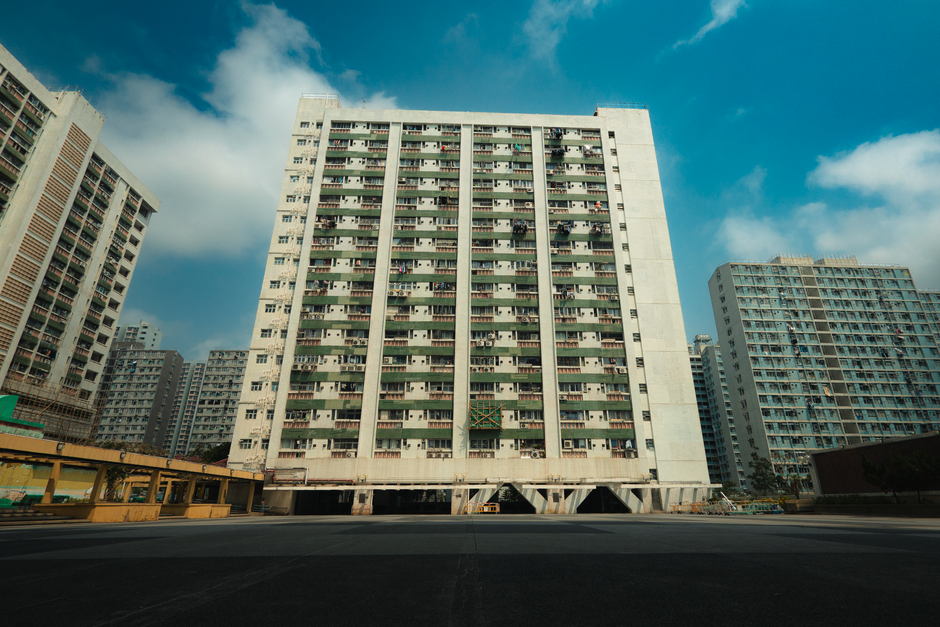
Hong Kong landlords are collecting thinner returns than at almost any point in the past decade. Gross rental yields on private residential units citywide averaged roughly 2.8 percent in the first half of 2026, according to data tracked by property agencies including Centaline and JLL's Hong Kong desk. That figure lags Singapore's 3.8–4.2 percent range and sits well below Tokyo's 4–5 percent on comparable mid-tier stock. For investors weighing where to park capital in the Asia-Pacific, the arithmetic is increasingly uncomfortable.
Why does this matter right now? The Hong Kong government's decision in late 2023 to scrap most additional stamp duties for foreign buyers — a move that generated significant short-term market optimism — has not produced the sustained transaction volume that some agents predicted. Secondary market deals in the first five months of 2026 were running roughly 12 percent below the same period in 2024, according to Land Registry filings. Meanwhile, rents have nudged upward in specific pockets, but not nearly fast enough to rescue yield figures that were already compressed by years of price appreciation during the low-rate era.
Where the Numbers Diverge Across the City
The picture is not uniform. In Tuen Mun and Yuen Long — New Territories districts where median flat prices can fall to HK$5–6 million for a 500-square-foot unit — investors can occasionally find gross yields touching 3.5 percent or marginally above. Tuen Mun's Melody Garden and the newer developments near Yuen Long Station have attracted buyers from the mainland and diaspora communities specifically because the entry price is lower and the tenant pool — largely young families and cross-boundary workers — is reliable. That contrasts sharply with Mid-Levels West along Conduit Road, where a 1,000-square-foot flat can easily carry a HK$18–22 million price tag and a monthly rent that still only delivers a gross yield of around 2.2–2.5 percent.
In Kowloon, the numbers split along familiar lines. Ho Man Tin and Hung Hom, both benefiting from MTR access and proximity to universities, see stronger rental demand from students and young professionals. A two-bedroom in Laguna Verde or Harbour Place in Hung Hom was commanding monthly rents in the HK$20,000–26,000 range as of June 2026, against purchase prices of HK$8–10 million — putting gross yields at 2.9–3.2 percent before management fees, rates and agency costs. Net yields, once those deductions land, typically fall 0.5–0.8 percentage points further.
What Investors Are Actually Doing
The squeeze is pushing a subset of local investors toward commercial property and industrial conversions, particularly in Kwun Tong and Fo Tan, where per-square-foot prices for industrial units remain far below residential levels and permitted uses have broadened under recent Town Planning Board revisions. Others are simply sitting on inherited or long-held residential units, having bought at prices that make any positive yield feasible — a position unavailable to anyone entering the market today at current valuations.
For renters, the calculus runs in a different but equally uncomfortable direction. A household considering buying a HK$9 million flat in Tseung Kwan O — a common scenario for dual-income couples in their thirties — faces monthly mortgage payments of roughly HK$38,000–42,000 on a 30-year loan at current rates near 3.875 percent, against rents for comparable units of HK$22,000–26,000. The ownership premium, in monthly cash terms, remains significant. HKMC Insurance Limited's mortgage insurance program does allow higher loan-to-value ratios for first-time buyers on properties below HK$10 million, which softens the down-payment hurdle — but not the monthly outflow gap.
Investors monitoring regional competitors will note that both Tokyo and Osaka continue to attract capital partly because Japanese yen depreciation keeps entry prices attractive even as yields hold up. Hong Kong's structural supply constraints — less than 1,300 hectares of developable land under active consideration by the government — mean prices are unlikely to collapse. But that same constraint, combined with anaemic yield returns, leaves the renter-buyer equation unresolved for most ordinary households. Those thinking of buying in the second half of 2026 should stress-test their numbers against a net yield benchmark, not the gross figure that agents tend to lead with.