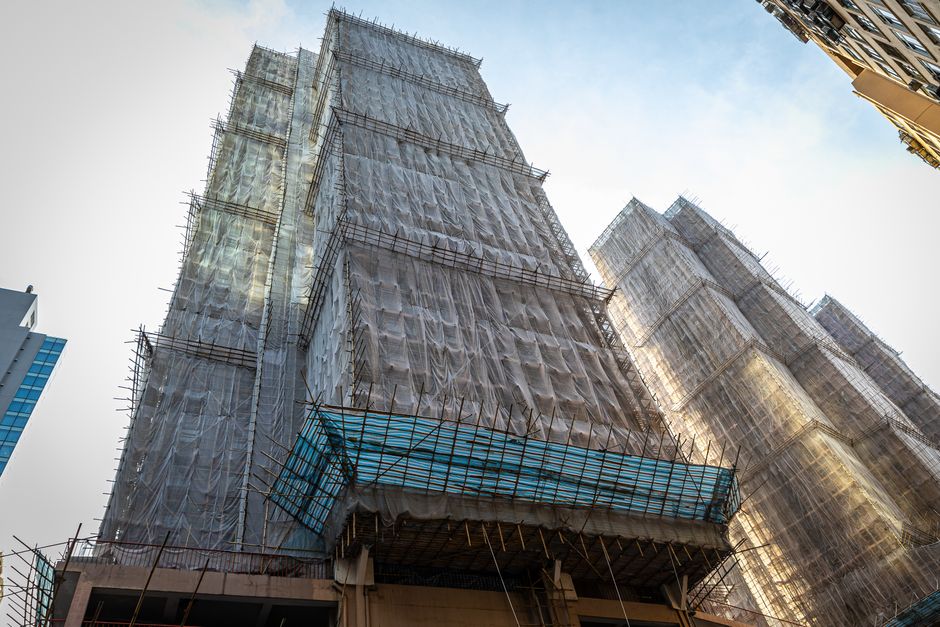
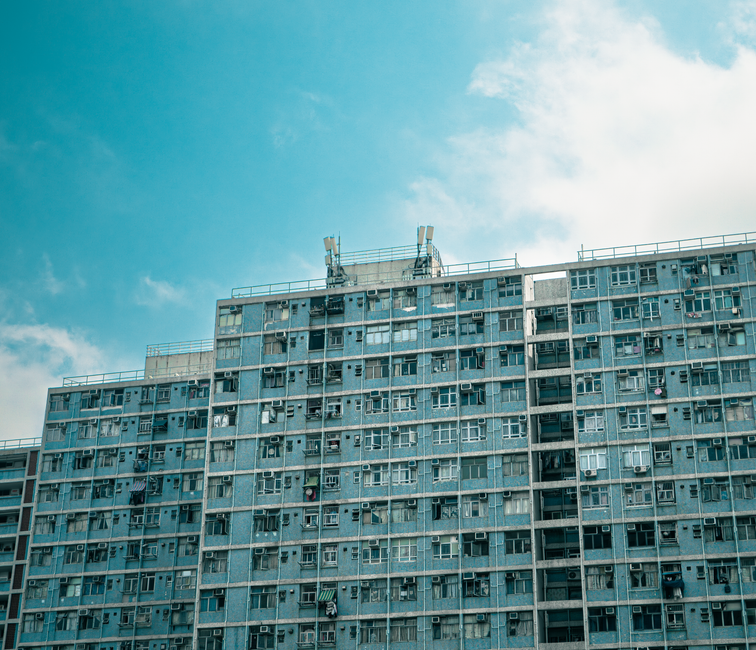
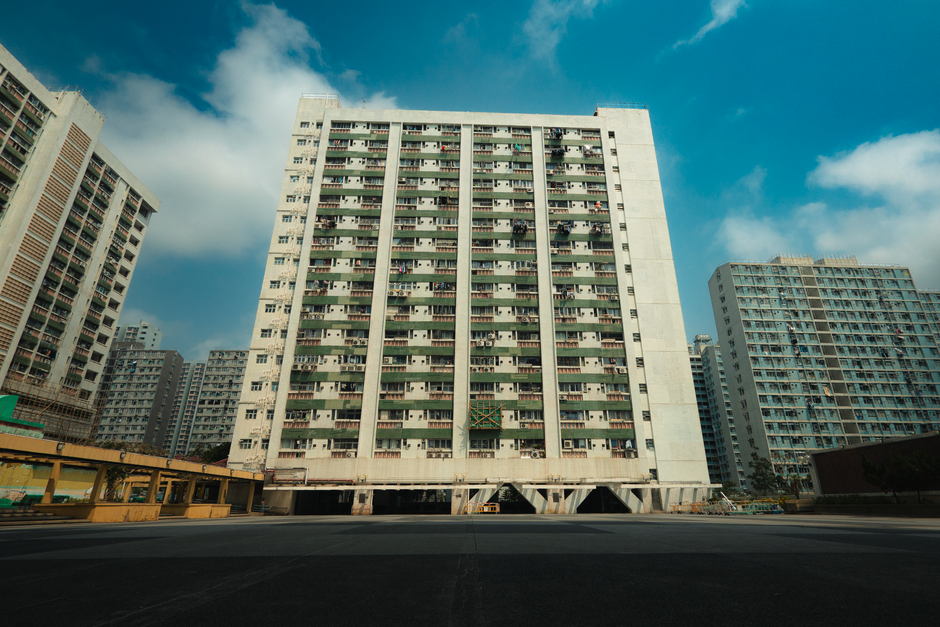
A subsidised flat in Tuen Mun changed hands at the Land Registry last week for HK$4.28 million, a price that would have looked absurdly low five years ago but now sits squarely at market. At the opposite end of the spectrum, a 2,100-square-foot unit on Barker Road on The Peak was submitted for tender at just under HK$98 million — and found a buyer within nine days. Both transactions, separated by roughly HK$94 million and the full width of Hong Kong's social geography, are telling the same story: volume is returning, and sellers are no longer cutting asking prices by double-digit percentages just to clear stock.
That matters right now because the market spent most of 2024 and 2025 in a condition of suspended animation. Rising US interest rates, a sluggish post-pandemic economy on the mainland, and an exodus of expatriate tenants from Mid-Levels conspired to push the Centa-City Leading Index — the benchmark tracker compiled by Centaline Property — down roughly 22 percent from its 2021 peak. The index has now posted three consecutive months of fractional gains, the first such run since early 2023. Against a global backdrop of geopolitical turbulence and record summer heat shutting down events from Washington to Philadelphia, Hong Kong buyers appear to be making a quiet, pragmatic calculation: prices are not going back to their 2019 lows, and waiting has a cost.
What the Auction Data Actually Shows
The most concrete signal has come from the Lands Department. At its June 24 tender for a residential site in Kai Tak — the former airport district that the government has spent billions transforming into a new urban neighbourhood — the winning bid of HK$3.47 billion from a joint venture between Henderson Land and a mainland-backed partner came in approximately 8 percent above the market's median pre-tender estimate. That premium is modest by Kai Tak's frenzied 2018 standards, but it marks the first time since late 2022 that a government residential site has closed above analyst consensus.
Secondary market data reinforces the picture. According to figures released by the Rating and Valuation Department this month, the average price per square foot for private domestic units in Kowloon — covering districts from Hung Hom to Mong Kok — reached HK$14,300 in May 2026, up from a trough of HK$12,900 recorded in October 2025. New Territories West, which includes Yuen Long and Tin Shui Wai, remains the most affordable cluster in the territory, with median transacted prices still below HK$7 million for a standard two-bedroom unit. That gap between urban Kowloon and the outer districts has actually narrowed over the past eight months, partly because infrastructure improvements along the Tuen Ma Line have made commuting from Hung Shui Kiu genuinely viable for the first time.
What Buyers and Renters Should Do Now
The stamp duty picture has shifted enough to change the calculus for non-permanent residents. The government's February 2024 decision to cut the buyer's stamp duty for foreign purchasers from 15 percent to 7.5 percent has slowly filtered through to actual behaviour. Agents at Midland Realty's Wan Chai branch report that enquiries from buyers holding non-Hong Kong identity documents were up roughly 30 percent year-on-year in the second quarter of 2026, with Japanese and Singaporean buyers particularly active in the HK$15 million to HK$30 million bracket in Happy Valley and Jardine's Lookout.
Renters face a different calculation. Vacancy rates in traditional expatriate strongholds — Repulse Bay Road, the southern side of Hong Kong Island, and the cluster of low-rise blocks near Kennedy Town MTR — have tightened since early 2026 as international firms that paused relocations have started moving staff again. A three-bedroom flat in a managed block on Conduit Road in Mid-Levels West that sat empty for four months at HK$62,000 per month in late 2024 would likely clear within weeks today at the same asking price.
The practical advice for buyers: the window of maximum leverage in price negotiation has probably closed in districts with good MTR access. For renters, locking in a two-year lease now rather than rolling month-to-month carries real optionality if the Centa-City index continues its slow climb into the fourth quarter.