Property
Build-to-Rent Developments Shake Up Hong Kong’s Rental Market
New dedicated rental blocks are reshaping tenant choices, but the maths isn’t straightforward for residents weighing buy versus rent.
3 min read
Updated 1 h ago
Property
New dedicated rental blocks are reshaping tenant choices, but the maths isn’t straightforward for residents weighing buy versus rent.
3 min read
Updated 1 h ago
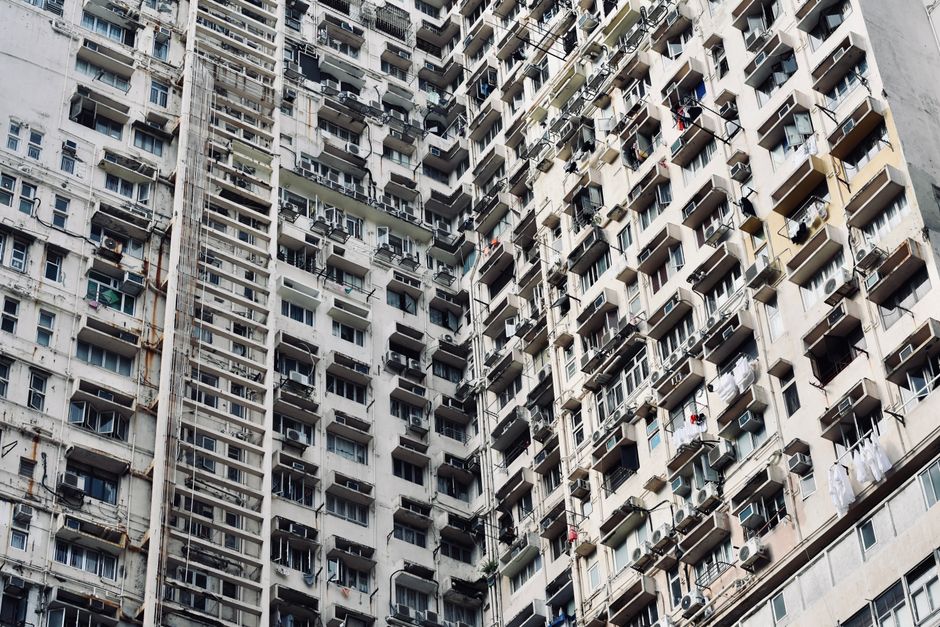
A spate of new build-to-rent launches in Hong Kong—spearheaded by major developers in areas such as Mong Kok and Kai Tak—are offering tenants swish interiors and flexible leases, throwing fresh weight behind the city’s rental market after years of owner-occupier dominance.
While Hong Kong’s median flat price sits in the HK$8–10 million range, and recent government moves to loosen stamp duties have raised hopes for aspiring buyers, barriers remain. Apartments marketed to first-time owners remain eye-wateringly expensive relative to income, leaving growing swathes of the city’s young professionals and families hunting alternatives. Enter the build-to-rent trend, a model once limited to serviced apartments and now expanding into fully residential towers with amenities aimed at long-term tenants.
The City Hub on Shanghai Street, a build-to-rent development by New World Development, opened its doors in March this year. Less than a kilometer away, Urban One’s recently converted rental tower on Dundas Street in Yau Ma Tei is already reporting over 85% occupancy after just two months. These aren’t traditional tenancies with aging fixtures and unpredictable landlords: tenants sign direct leases with a corporate landlord for up to two years, benefitting from on-site gyms, shared lounges, and utility-inclusive rent. The pitch is simple: ease, flexibility, and the sense of a community often lacking in private landlord flats scattered through ageing walk-ups.
“Most of our tenants are aged 26 to 38 and work nearby in Tsim Sha Tsui or Central,” said a New World leasing executive (who declined to be named). With the MTR on the doorstep, their HK$18,000 monthly one-bedroom units—smaller but fully kitted-out—appeal to singles and young couples unwilling or unable to buy into the city’s traditional property ladder.
Official numbers bear out the pressure. The Hong Kong Housing Authority’s March 2026 update put the median monthly rent for private housing at HK$19,800. A 500-square-foot flat in a Mid-Levels building from the 1980s still fetches upwards of HK$28,000, even with dated interiors. In contrast, purpose-built rental blocks in urban hubs now price studios from HK$14,500 with all utility bills included. That’s cheaper than some mid-tier serviced apartments and only moderately higher than sharing a private flat with roommates.
But for those setting sights on home ownership, the affordability gap remains stark. Even with 10% down, an 8 million dollar mortgage means shelling out nearly HK$30,000 a month over 25 years, at typical HIBOR-linked rates. Factor in maintenance, rates, and the risk of falling prices, and build-to-rent starts to look like a strategically attractive option for residents focused on flexibility and lifestyle rather than long-term asset accumulation.
Several more build-to-rent blocks are slated for launch this autumn, including a 210-unit project by Sun Hung Kai Properties in the heart of Kwun Tong. Analyst forecasts suggest the city centre could add over 2,000 purpose-built rental units by the end of 2027, largely targeting young professionals and families who have been frozen out of home ownership but still want ‘hotel-style’ urban living.
For tenants, the main attractions are set leases, on-demand maintenance, and no risk of sudden eviction as in informal owner-let tenancies. Yet monthly costs are often still above what flatshares in walk-ups or older estates command, and signing a long lease won’t get you on the property ladder if prices recover. The choice between renting and buying hinges not just on personal finances, but plans for stability and Hong Kong’s notoriously volatile property market—a calculation more residents than ever are now running, as the build-to-rent wave climbs.
Property
Property
Property
Property
About this article
Published by The Daily Hong Kong
Spread the word
Daily brief
Free, in your inbox before 7am. Weekdays.
Before you go
The day's Hong Kong news in a 2-minute read. Free, weekday mornings.