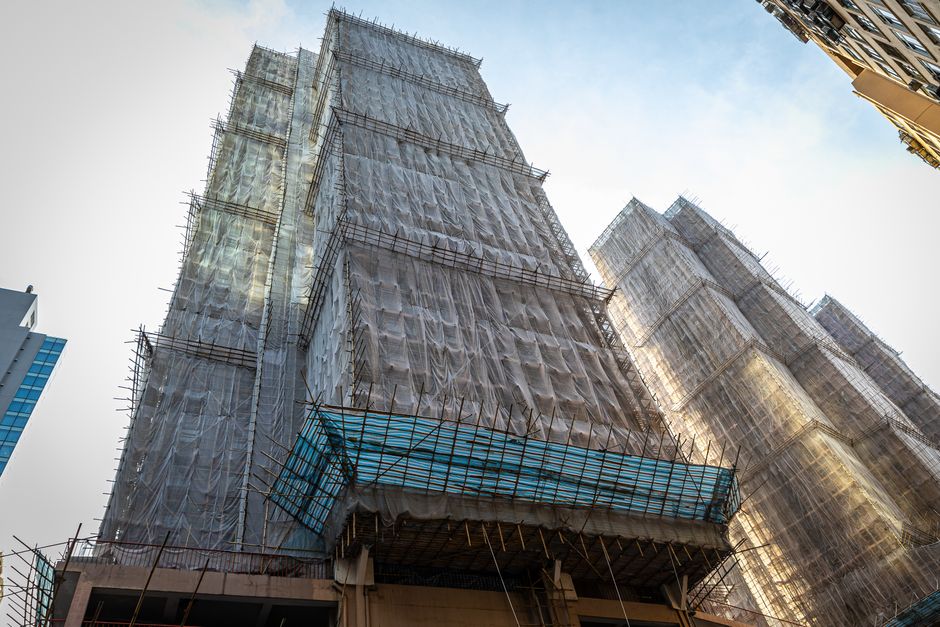
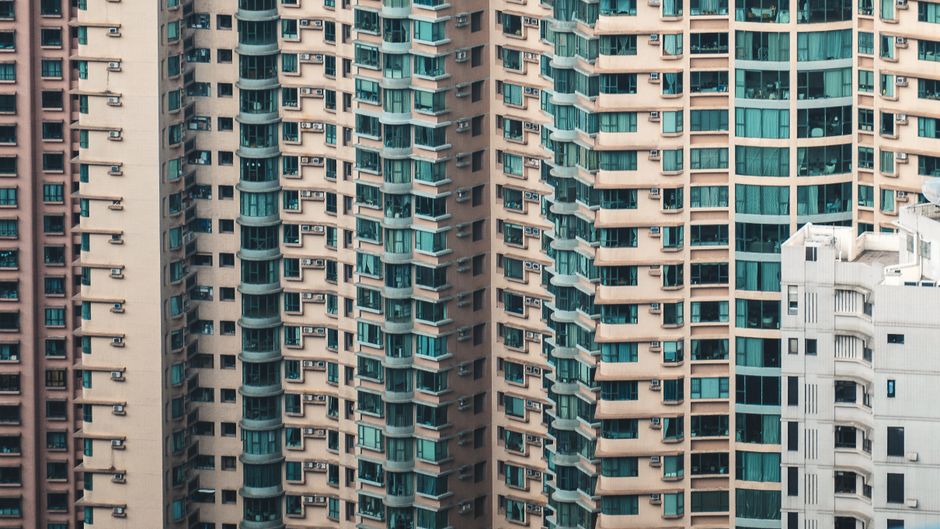
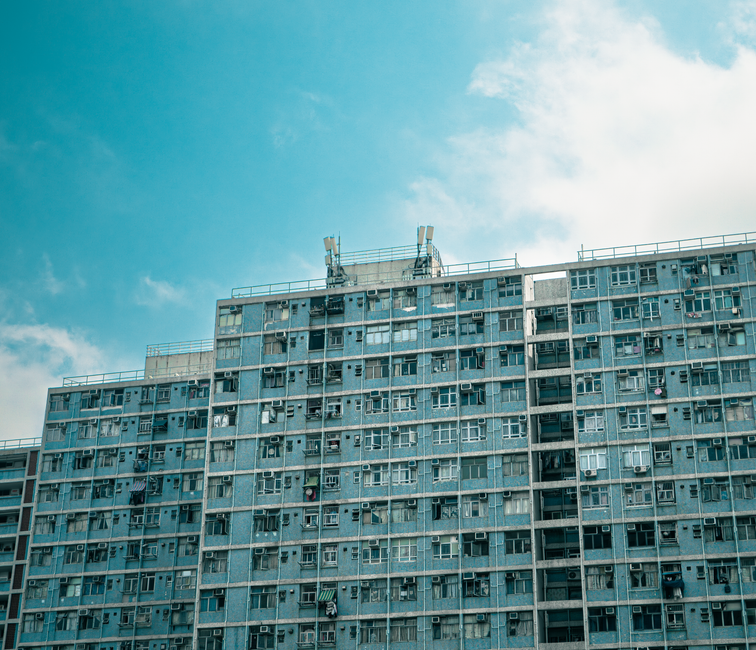
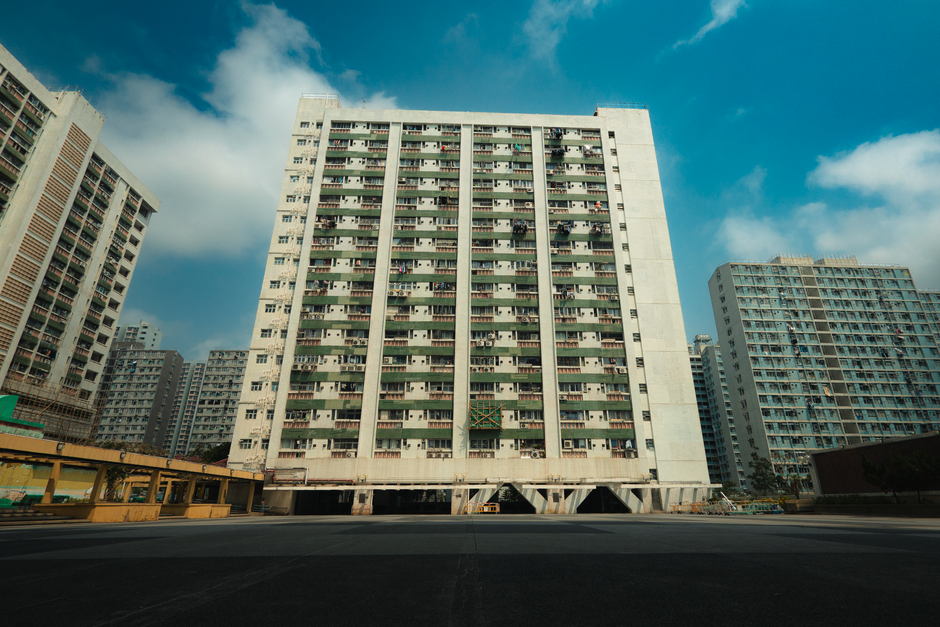
Rents in the Mid-Levels are holding stubbornly above HK$50 per square foot for a standard two-bedroom unit, while comparable flats in Tuen Mun and Yuen Long now average closer to HK$18–22 per sq ft — a gap that planning and policy changes are beginning, slowly, to close. The spread between Hong Kong Island's established luxury belt and the outer New Territories was always wide. What's changed in the past 18 months is the direction of travel.
The timing matters. The Hong Kong government's 2025 Policy Address committed fresh capital to accelerating the Northern Metropolis Development Strategy, the 300-square-kilometre blueprint straddling the border with Shenzhen. That programme — originally announced in 2021 but chronically underfunded — received an additional HK$12 billion in infrastructure spending earmarked for road and rail links in the 2025–26 Budget. For prospective tenants and landlords alike, that money is beginning to show up in asking rents.
The Northern Metropolis Effect
Kwu Tung North, a new town carving itself out of farmland near Sheung Shui, has seen monthly rents on newly completed units climb roughly 14 percent since January 2025, according to figures from Midland Realty's New Territories division. A 500-square-foot flat there now commands around HK$11,000–13,000 a month — still dramatically cheaper than a comparable unit on Robinson Road in Mid-Levels West, where asking rents rarely dip below HK$25,000 for anything habitable. But the gap is narrowing as the MTR Corporation pushes ahead with the Hung Shui Kiu station construction, expected to reach operational status by late 2027.
The government's 2024 decision to scrap most additional stamp duties for non-permanent residents added another variable. Foreign professionals — predominantly from mainland China, the United Kingdom and India — who previously rented long-term because purchasing was prohibitively taxed are now buying entry-level units in Tuen Mun and Tin Shui Wai. That shift is tightening the rental supply in those districts even as new completions come online, pushing rents upward faster than many analysts expected when the duty exemptions were first introduced.
Mid-Levels: Resilient but Not Immune
Up on the hill, the picture is more nuanced. Condominiums along Caine Road and Mosque Street remain in demand from expatriate tenants on corporate leases, but the pool of such tenants has shrunk since the post-pandemic high of 2023. Several blocks in the Seymour area saw landlords accept rent reductions of 5–8 percent in the first quarter of 2026 to retain sitting tenants rather than face void periods. The Urban Renewal Authority's ongoing rezoning studies around Kennedy Town and Sai Ying Pun — areas that technically border Mid-Levels — are adding uncertainty about density and building heights, which is cooling speculative landlord confidence in that micro-market.
The Transport and Housing Bureau's latest quarterly rental index, published in May 2026, showed private domestic rents across Hong Kong rose 3.2 percent year-on-year in the first quarter — a modest headline figure that masks a significant geographic split. New Territories rents rose 6.7 percent over the same period; Hong Kong Island rents edged up just 1.1 percent. The divergence is the sharpest recorded since the bureau began disaggregating the data by region in 2019.
For tenants navigating this market, the practical calculus is shifting. A household that two years ago priced itself out of Tuen Mun town centre in favour of a cramped Mid-Levels walk-up may find the arithmetic has flipped: improved road links via the Tuen Mun-Chek Lap Kok Tunnel and the anticipated rail upgrades make northern districts functionally closer to the CBD than their postcodes suggest. Landlords in Mid-Levels, meanwhile, would do well to watch the Urban Renewal Authority's rezoning decisions closely — fresh supply along the Island Line corridor could suppress rents there through 2027 and beyond. The policy machinery is moving. The rent rolls will follow.