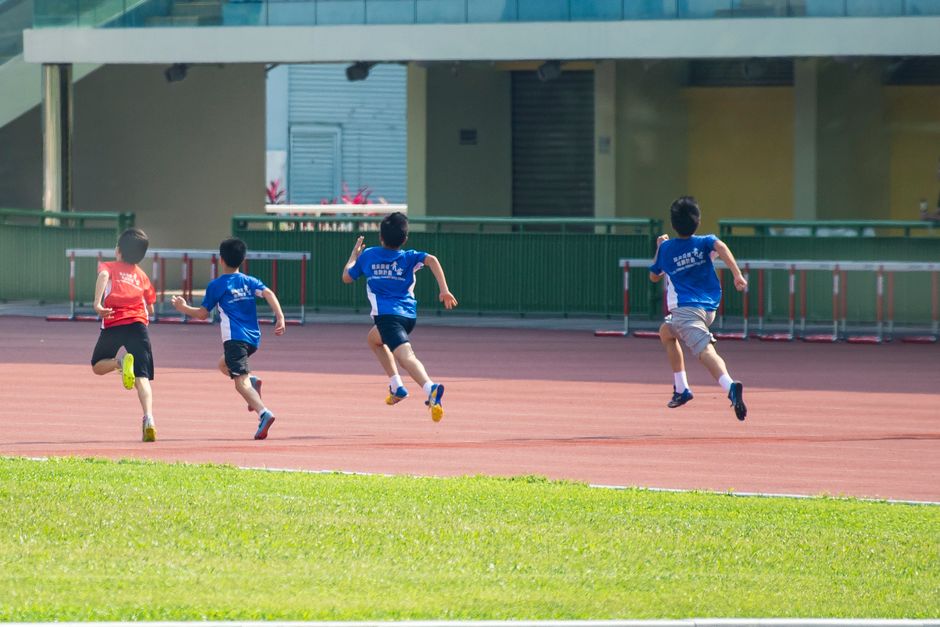
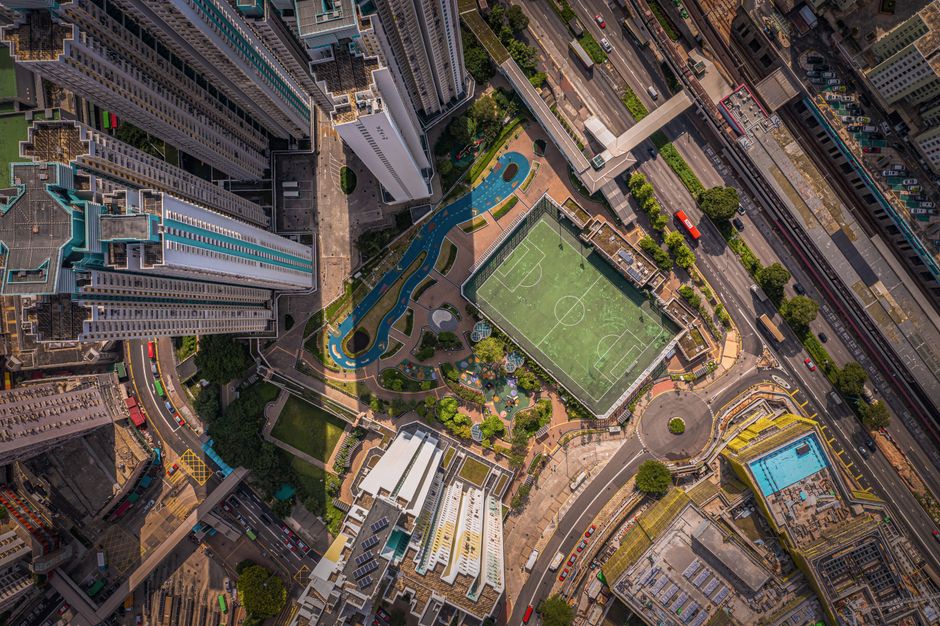
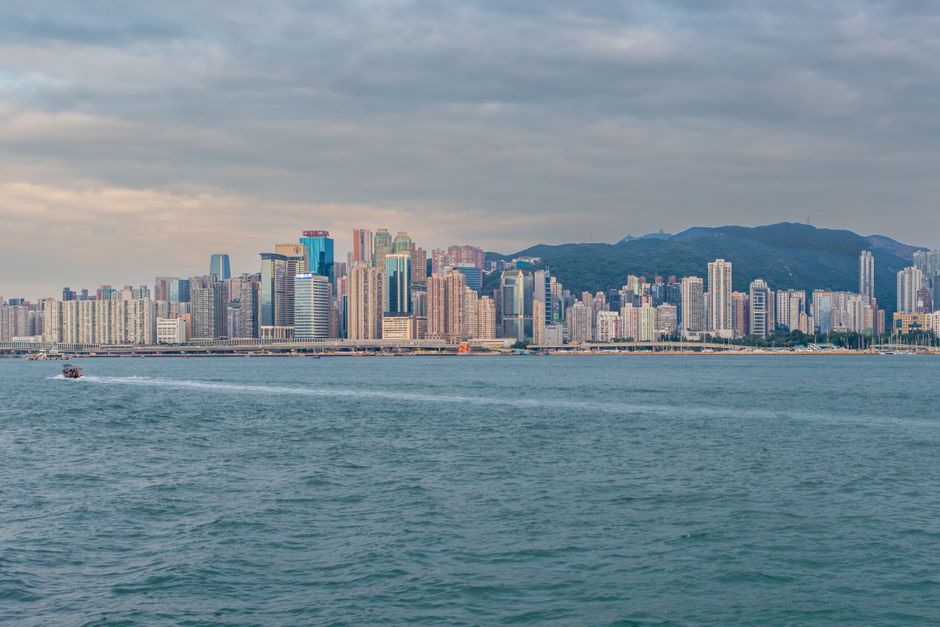
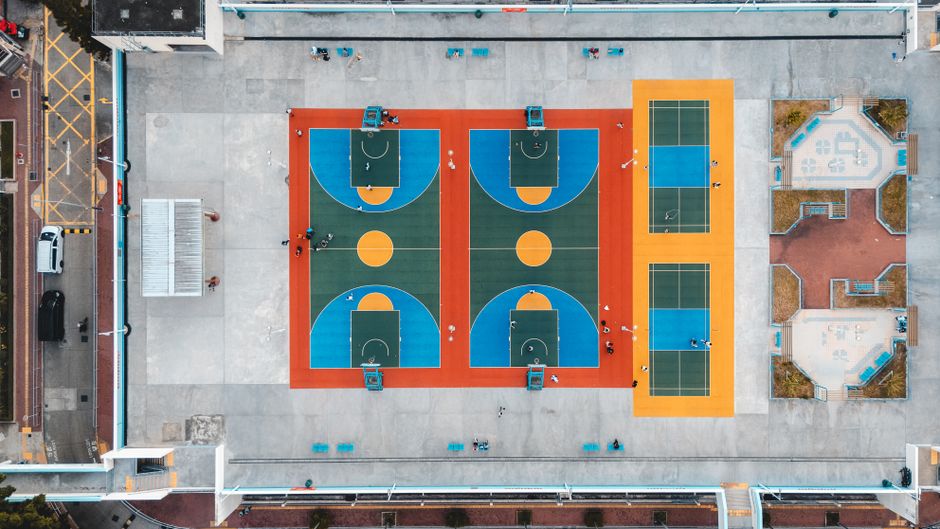
While Victoria Park's sprawling athletics track and the Hong Kong Stadium in So Kon Po command attention as the territory's flagship venues, the real sporting revolution is unfolding in less glamorous corners: the converted badminton courts of Sham Shui Po, the cramped basketball hoops bolted onto Ap Lei Chau's public housing blocks, and the badminton clubs operating from converted industrial spaces in Kwun Tong.
Over the past five years, grassroots sports organisations have fundamentally altered how ordinary Hongkongers engage with physical activity, moving beyond elite competition into accessible, community-driven programming. The Urban Council's 2025 report on public sports facilities showed that neighbourhood venues—including the 12 district sports centres operated by the Leisure and Cultural Services Department—now host more than 2.3 million participant visits annually, a 34 per cent increase from 2020.
Organisations like the Hong Kong Sports Association for the Physically Disabled have transformed what were once underutilised municipal spaces into vibrant hubs. Their wheelchair basketball programme, operating from Kowloon Park's secondary facilities near the Tsim Sha Tsui promenade, has grown from 40 regular players to over 200 in just three years, many of whom pay modest monthly fees of HK$200-400 to participate.
In Mong Kok, local netball communities have reclaimed spaces beneath housing estates where courts lie hidden from mainstream view. These venues, managed through partnerships between district councils and non-profit sports clubs, now serve primarily female participants aged 25-45—a demographic long overlooked by Hong Kong's traditionally male-dominated sporting infrastructure.
The economics of grassroots sport tell a compelling story. While elite venues require substantial government subsidy—the Hong Kong Stadium's annual operational cost exceeds HK$150 million—community facilities operate on significantly tighter budgets, typically HK$2-5 million annually per district, yet serve far more diverse populations. Peak-hour booking rates at neighbourhood sports centres now regularly exceed 90 per cent, evidence of genuine demand.
What distinguishes this movement is its philosophy: accessibility over spectacle. Casual sports leagues organised by volunteers in Tuen Mun and Yuen Long charge registration fees barely covering venue hire, prioritising participation over profit. Schools increasingly partner with local clubs to extend their limited sports facilities into evening and weekend community programming.
As Hong Kong positions itself for major international sporting events, the grassroots narrative—unglamorous but transformative—reveals where real sporting culture takes root: not in grand stadiums, but in the modest facilities where thousands of ordinary residents discover the joy of movement, competition, and community connection.
This article was compiled by AI from the sources linked above and screened before publishing. See our editorial standards.