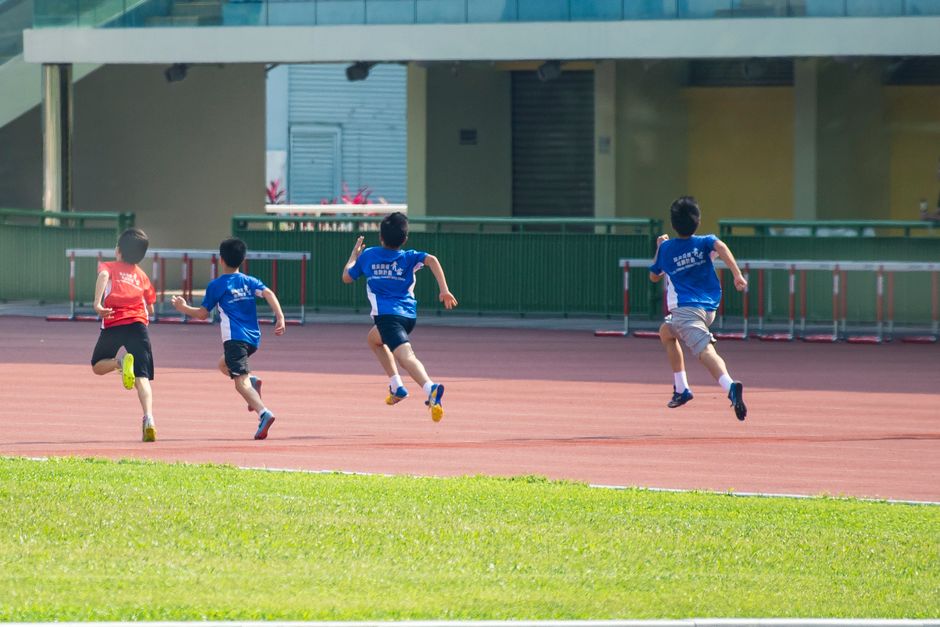
Early Sunday mornings in Central Park have transformed into a quiet spectacle. By 6:30 a.m., clusters of runners gather near the park's eastern entrance, their high-visibility vests creating pockets of fluorescent colour against the grey dawn. Some wear GPS watches; others navigate by feel and friendship. What began as informal neighbourhood meetups has evolved into Hong Kong's most visible grassroots sports phenomenon—one that extends far beyond running into cycling and triathlon.
The mechanics are simple but powerful. Community-organised running groups like those based in Quarry Bay and along the Sha Tin waterfront function almost entirely without corporate sponsorship or municipal support. Members typically pay modest fees—HK$50 to HK$150 monthly—to cover route planning, safety marshals and the occasional training seminar. The model has proven so effective that similar collectives now operate from Causeway Bay to Tuen Mun, connecting thousands of participants who might never have discovered endurance sport otherwise.
Cycling has followed a comparable trajectory. The New Territories has seen explosive growth in weekend recreational cycling clubs, with groups regularly departing from Tai Wai station and cycling through the rural roads toward Plover Cove. Local bike shops in areas like Sha Tin and Tsuen Wan have become de facto community hubs, offering maintenance workshops and social rides that cost nothing beyond a coffee purchase.
Triathlon clubs represent the newest frontier. With swimming access points across Hong Kong's harbours and waterfront promenades—Victoria Park's indoor pool, Kowloon Park's facilities—combined with established running and cycling routes, the conditions favour this most demanding discipline. Several grassroots triathlon groups now meet monthly for training sessions that blend all three elements, often starting before 6 a.m. to avoid peak-hour congestion.
What makes this movement genuinely grassroots is its resistance to professionalisation. These aren't franchised boutique fitness experiences or premium coaching programmes. They're neighbourhood initiatives powered by experienced amateur athletes who volunteer as route organisers, safety coordinators and mentors. Investment in equipment remains accessible—a decent entry-level triathlon bike costs around HK$3,000-5,000; running shoes, HK$600-1,200.
Officials and transport planners have begun noticing. Expanded cycling paths in the New Territories and improved pedestrian infrastructure around Victoria Park reflect quiet acknowledgment that these communities have mobilised citizens toward healthier, more active lifestyles—without waiting for top-down initiatives.
Hong Kong's endurance sport movement didn't arrive via corporate wellness programmes or government campaigns. It emerged from the simple human impulse to move together through the city, and from communities determined to make that impulse accessible to everyone.
This article was compiled by AI from the sources linked above and screened before publishing. See our editorial standards.