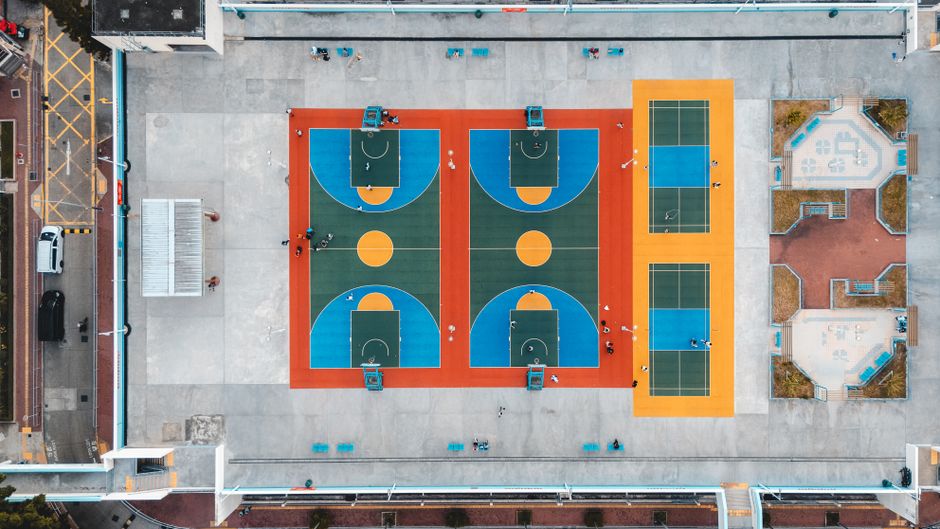
Hong Kong's gymnasium landscape has undergone a dramatic transformation over the past five years, with investments in facilities and infrastructure fundamentally reshaping how the city's 7.4 million residents approach fitness and athletic training. The shift reflects both a growing health consciousness and strategic development of sporting venues across the territory.
The proliferation of premium facilities in central business districts tells part of the story. Causeway Bay, Admiralty, and Central now host flagship gyms operated by international chains alongside homegrown operators, offering state-of-the-art equipment, specialised training studios, and recovery amenities. Monthly memberships at these venues typically range from HK$800 to HK$2,500, reflecting Hong Kong's premium positioning in the Asian fitness market. Many have incorporated climbing walls, indoor cycling studios, and functional training zones—a far cry from traditional equipment-only layouts of a decade ago.
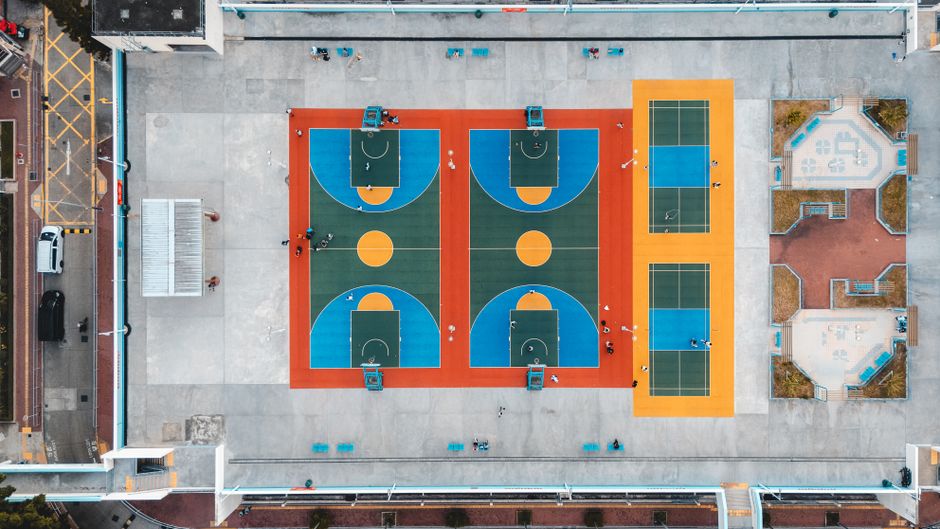
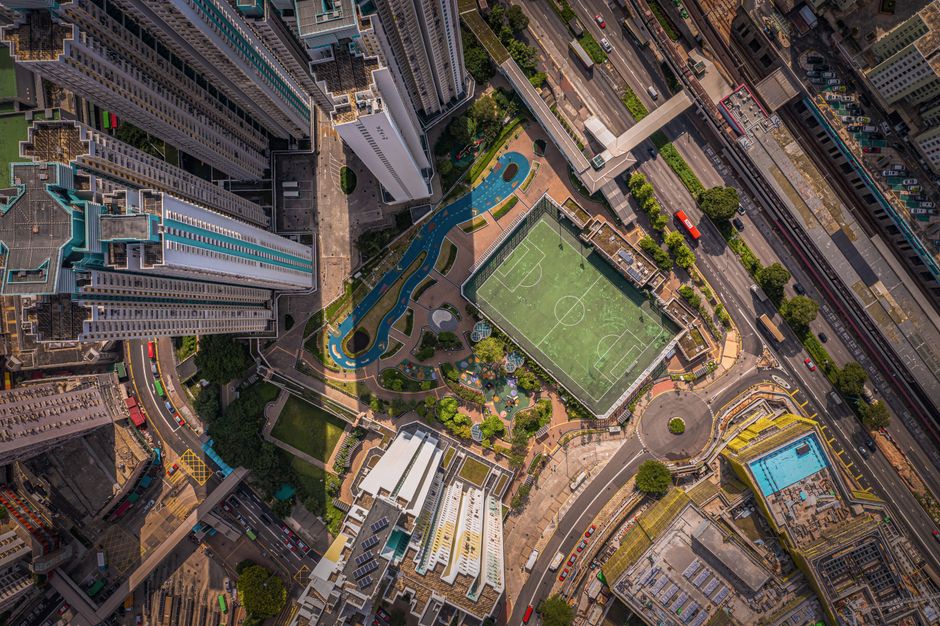
Yet infrastructure development extends well beyond private enterprise. The Hong Kong Sports and Leisure Company operates 47 public sports centres across all 18 districts, providing subsidised access to facilities that compete meaningfully with private alternatives. Peak-hour court bookings at venues like the Kowloon Park Sports Centre or Hong Kong Park's tennis facilities remain affordable at HK$50-100 per hour, democratising access to quality training infrastructure.
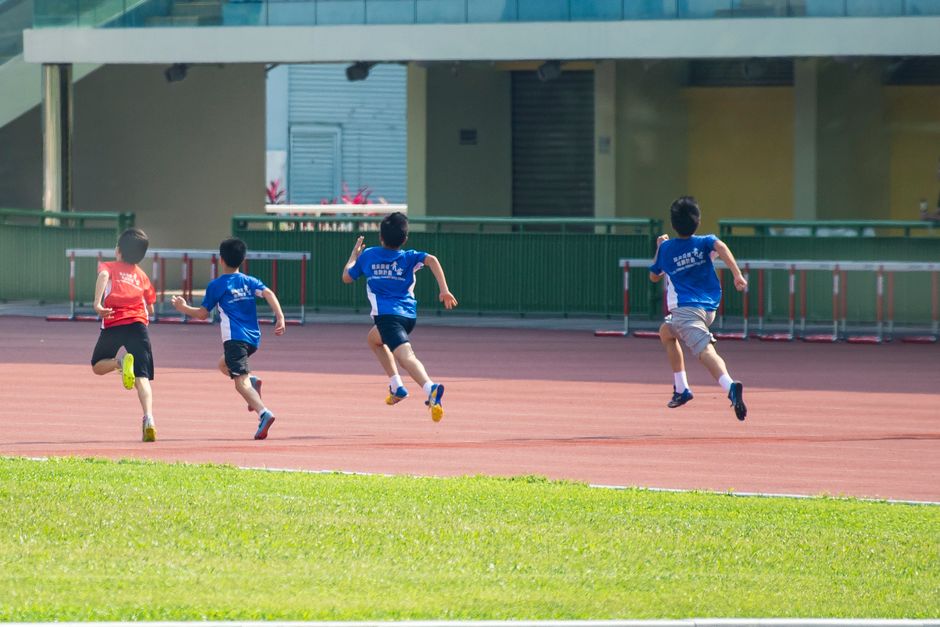
District-level investment has accelerated noticeably. The newly renovated Sham Shui Po Sports Centre and the expanded Tseung Kwan O Sports Centre now feature Olympic-standard training areas, attracting serious athletes alongside casual fitness enthusiasts. These facilities increasingly function as talent pipelines, with coaching staff identifying promising individuals for elite development programmes.
The trend reflects Hong Kong's broader sporting ambitions. As the SAR prepares for potential hosting of major events and seeks to improve medal performance at international competitions, facility development has become strategic. Investment in specialist venues—dedicated badminton halls in Tuen Mun, modern squash courts in Wanchai, and rowing facilities at Shatin—signals serious infrastructure commitment.
Private sector innovation complements public provision. Boutique fitness concepts—high-intensity interval training studios, yoga-focused facilities, and sport-specific training centres—have proliferated in neighbourhoods from Sheung Wan to Tin Hau, suggesting market demand for specialised rather than generalised training environments.
The infrastructure evolution carries social implications. Beyond health metrics, these facilities are becoming community hubs, particularly as post-pandemic demand for structured fitness activities remains elevated. For Hong Kong's sports ecosystem, this expansion in venues and training capability represents essential foundation-building—one that may ultimately determine the city's competitive standing across multiple sporting disciplines in the years ahead.
This article was compiled by AI from the sources linked above and screened before publishing. See our editorial standards.