Hong Kong's grassroots sports ecosystem has expanded significantly over the past five years, with hundreds of community clubs now operating across the territory. Whether you're looking to enrol a child in football, badminton, table tennis, or swimming, understanding how the system works—and what it costs—is the first step toward unlocking their potential.
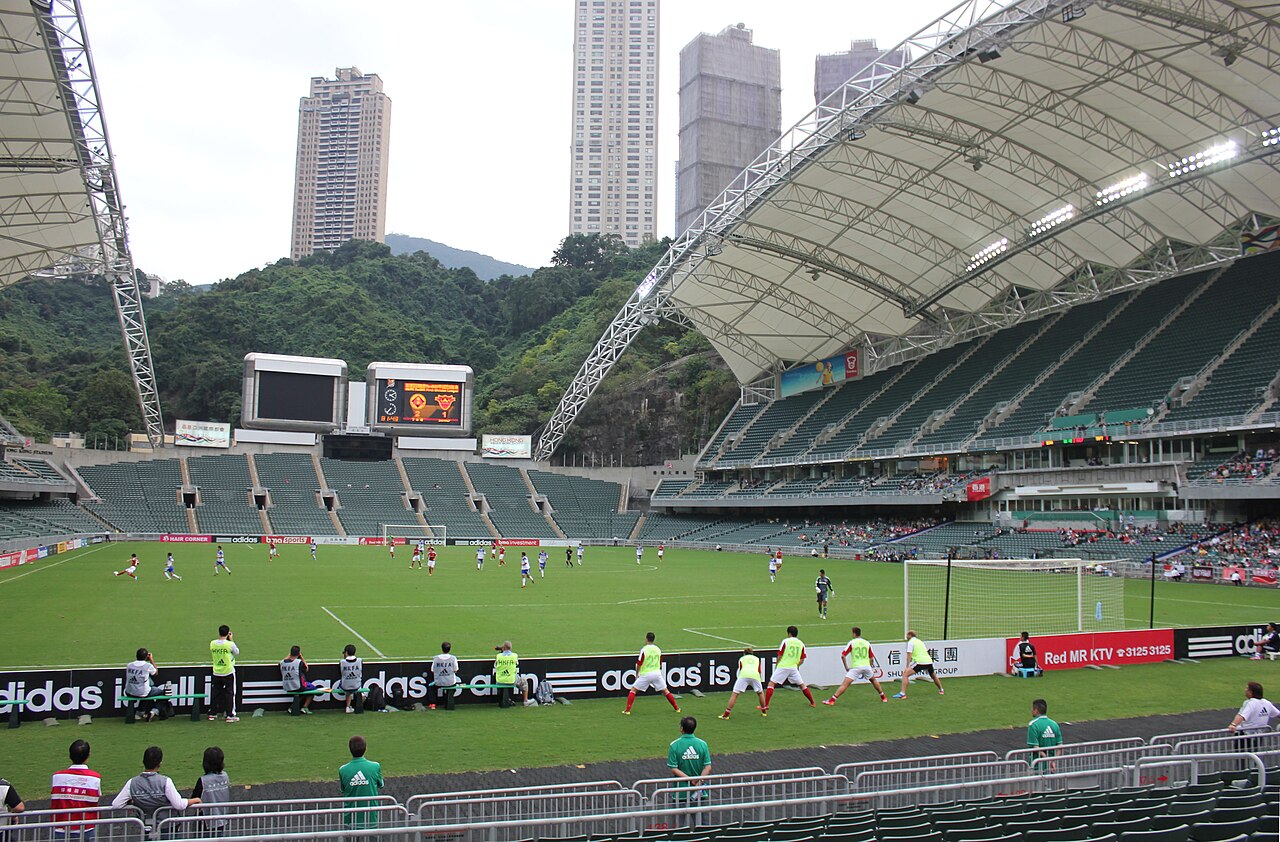
The Hong Kong Sports and Olympiad Committee oversees most official sporting bodies, but the real action happens at the district level. Clubs affiliated with governing bodies like the Hong Kong Football Association or Hong Kong Badminton Association typically operate out of public facilities such as those in Tuen Mun Sports Centre, Kowloon Park, or the Eastern Sports Centre in Quarry Bay. Many are run by volunteers and charge modest fees: junior football programmes average HK$300–600 monthly, while badminton coaching starts around HK$150 per session.
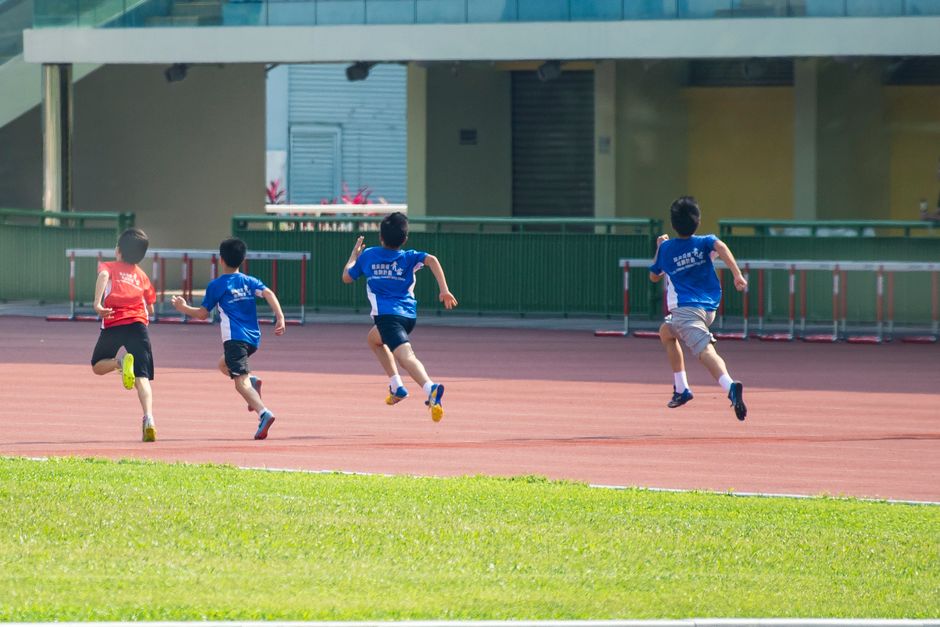
Getting started requires minimal bureaucracy. Most clubs accept children from age five or six, though some accept younger participants in mini-programmes. You'll need to register with the club directly—many now use WhatsApp groups or simple online forms rather than paper applications. Most require proof of identity and health clearance, nothing more.
The real variation lies in commitment levels. Recreational clubs in neighbourhoods like Wong Tai Sin or Sham Shui Po emphasise fun and basic skill development, perfect for children testing sports before serious involvement. Competitive clubs in areas like Mid-Levels or Repulse Bay tend to charge more but offer structured training pathways toward inter-school competitions and district leagues.
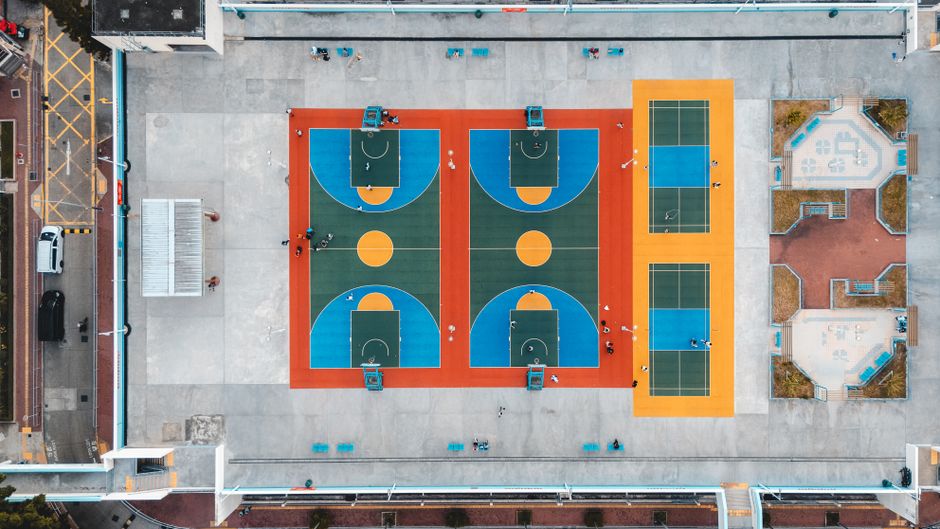
A crucial insight: Hong Kong's public sports facilities are heavily subsidised, making community clubs genuinely accessible. The District Sports Association network—there's one in each of Hong Kong's 18 districts—maintains updated directories of local clubs and can guide parents toward age-appropriate options. Their websites typically list contact details, training schedules, and fee structures transparently.
Summer is prime recruitment season. Most clubs launch new intakes in June and July, precisely when parents plan their children's activities. Several are running open-day events this month across Kowloon, Hong Kong Island, and the New Territories.
The financial barrier is lower than international private academies, but commitment matters more than cost. Parents should visit at least two clubs, watch training sessions, and ask about coaching qualifications. What sets successful grassroots programmes apart isn't fancy facilities—it's consistent coaching and community support. Hong Kong's best young athletes typically start exactly where you're thinking of starting: a neighbourhood club, modest fees, genuine passion for the game.
This article was compiled by AI and screened before publishing. See our editorial standards.