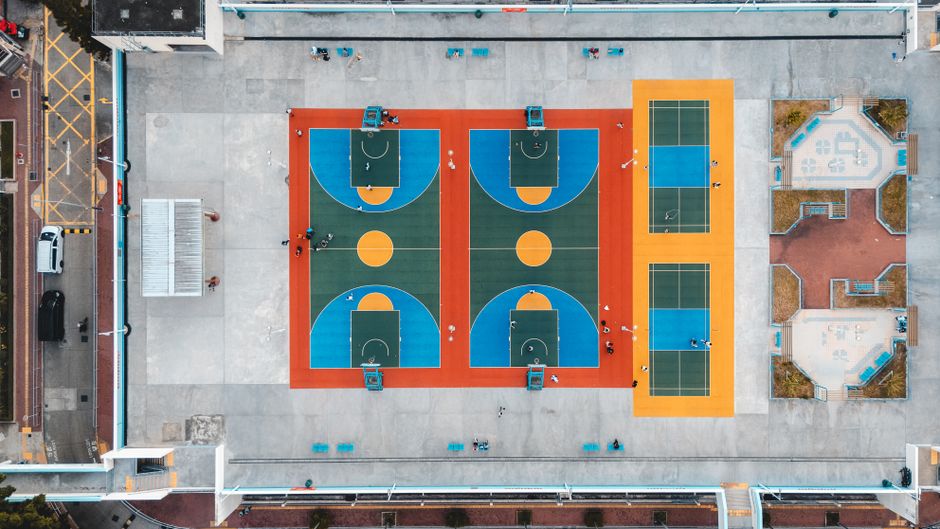
Walk through Sham Shui Po on any weekday evening and you'll find the Apliu Street Sports Centre packed with teenage badminton players, their shuttlecocks echoing off walls that have absorbed decades of neighbourhood ambition. This isn't Victoria Park or the Hong Kong Coliseum—it's the beating heart of a grassroots sports revolution that's quietly reshaping how Hong Kong discovers and nurtures talent.
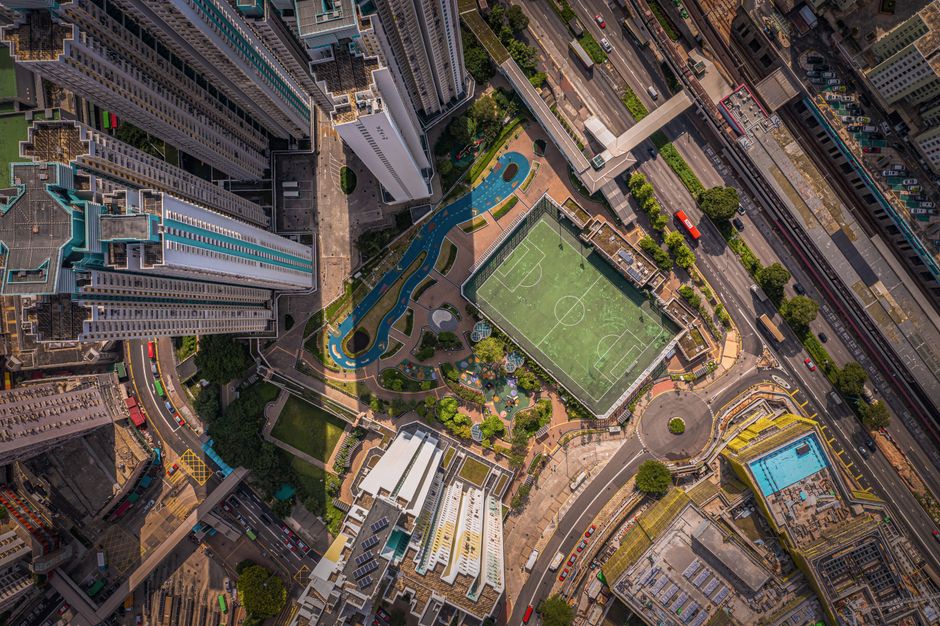
The community sport movement has accelerated dramatically since 2023, when the Sports Federation and Olympic Committee began redirecting resources toward district-level facilities. Today, grassroots organisations manage over forty neighbourhood sports centres across the territory, from Kwun Tong's Ngau Tau Kok facility to the Sai Kung Water Sports Centre, each serving as incubators for athletes who might never afford private coaching.
"We've seen participation in district programmes jump nearly 35 percent in three years," notes the community sports sector, which now trains roughly 18,000 young athletes annually through subsidised programmes. Membership fees at facilities like the Causeway Bay Sports Centre and Tseung Kwan O Junk Island Complex have been capped at HK$150 monthly for residents under twenty-five, democratising access that was once concentrated in expensive private clubs.
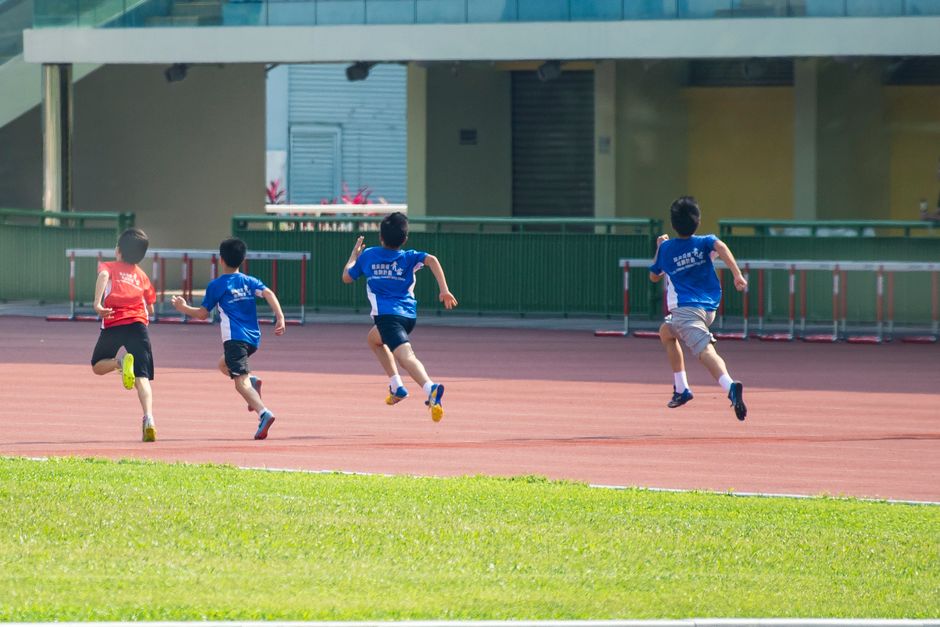
The infrastructure investment tells the story. Renovation of the Kowloon Bay Sports Centre in 2024 created a 50-metre Olympic-standard pool, transforming what was once a dated facility into a training pipeline for swimmers competing internationally. Similar upgrades at the Wan Chai Sports Centre's rock climbing wall and the Eastern Sports Centre's athletics track have created standardised training environments across districts.
What distinguishes this movement isn't just funding—it's community ownership. Volunteer coaches at neighbourhood clubs like those in Sheung Wan and Chai Wan have logged over 15,000 hours annually. Parents organise weekend inter-district competitions at Victoria Park's open spaces. Young athletes who trained at the Tuen Mun Sports Centre now compete at the Hong Kong Stadium and AsiaWorld Expo.
The ripple effects extend beyond medals. These grassroots networks have created pathways for athletes from less affluent neighbourhoods—Yau Tong, To Kwa Wan, Hung Hom—to access coaching that rivals private academies. Several athletes who emerged through district programmes in 2024-25 have already secured spots in development squads.
As Hong Kong prepares to bid for future major sporting events, the city's real competitive advantage may lie not in its signature stadiums, but in the thousands of young athletes discovering their potential on neighbourhood courts and tracks, supported by communities determined to prove that excellence isn't exclusive.
This article was compiled by AI from the sources linked above and screened before publishing. See our editorial standards.