Hong Kong's aquatic community is buzzing after the Hong Kong Swimming Club's relay team stormed through regional qualifying trials at the Victoria Park Swimming Complex last weekend, securing their berth for the upcoming Southeast Asian Games with times that have not been seen from local swimmers in nearly a decade.
The 4x200-metre freestyle relay squad—comprising four swimmers aged between 19 and 24—clocked a combined time that places them among the region's top ten, a significant achievement for a territory that has traditionally punched below its weight in competitive swimming despite world-class facilities dotting the harbour and New Territories.
"This result represents years of dedicated training infrastructure investment," said a spokesperson for the Hong Kong Amateur Swimming Association, noting that the club's base at the Shatin Sports Centre has undergone substantial upgrades since 2023. The facility now hosts Olympic-standard timing systems and biomechanical analysis equipment that rival major regional rivals.
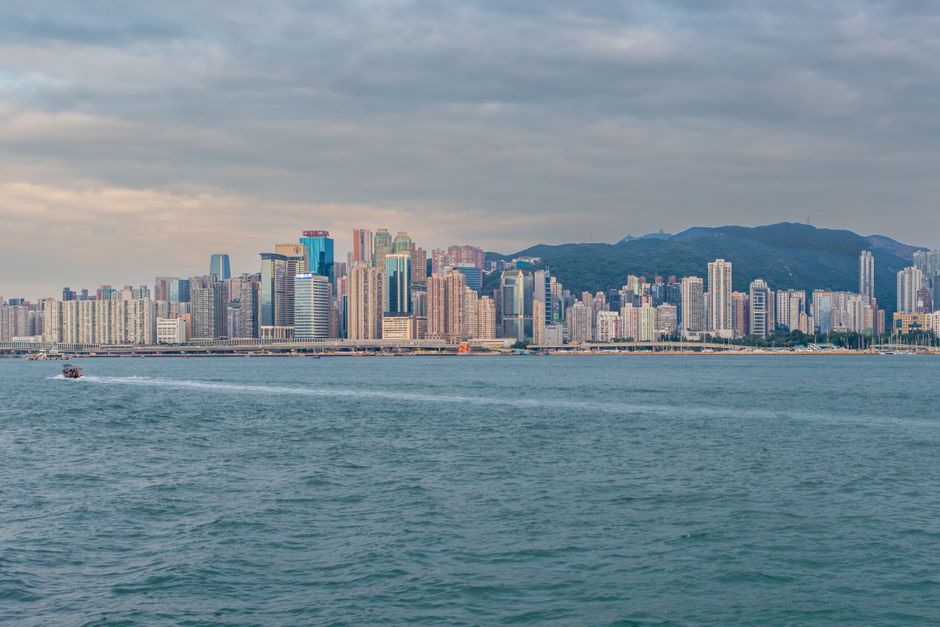
The breakthrough comes as Hong Kong's water sports sector experiences broader momentum. Beyond competitive swimming, recreational aquatic activities continue to flourish across the territory. Open-water swimming events in Victoria Harbour have attracted international participation, while swimming lessons at public facilities operated by the Leisure and Cultural Services Department remain heavily subscribed—current waiting lists at facilities in Wan Chai and Causeway Bay stretch to eight weeks for peak-time slots.
Industry observers suggest the relay team's success may catalyse greater youth participation. Swimming lesson fees across private clubs in the Mid-Levels and Repulse Bay range from HK$1,500 to HK$2,800 per month, with premium coaching commanding higher rates, yet demand remains robust among affluent families seeking competitive development pathways.
The team's qualification also reflects a shift in Hong Kong's sporting priorities. While rugby sevens and equestrian events have historically garnered greater international recognition, local sports administrators have increasingly invested in swimming programmes, recognising the sport's accessibility and health benefits across socioeconomic groups.
The relay squad is now in intensive preparation at the Kowloon Park Swimming Complex ahead of the Southeast Asian Games, scheduled for early 2027. Their coaches have structured training blocks combining pool work with altitude acclimatisation protocols at facilities in the New Territories.
For a city where water defines geography and lifestyle, the Swimming Club's emergence as a genuine regional contender signals that Hong Kong's aquatic talent pipeline may finally be delivering on long-held promises.
This article was compiled by AI from the sources linked above and screened before publishing. See our editorial standards.