Sport
Hong Kong's Stadium Boom Reveals a City Doubling Down on Fitness Culture
Participation data from major venues shows locals are embracing structured sports like never before, reshaping how our city moves.
3 min read
Updated 18 h ago
Sport
Participation data from major venues shows locals are embracing structured sports like never before, reshaping how our city moves.
3 min read
Updated 18 h ago
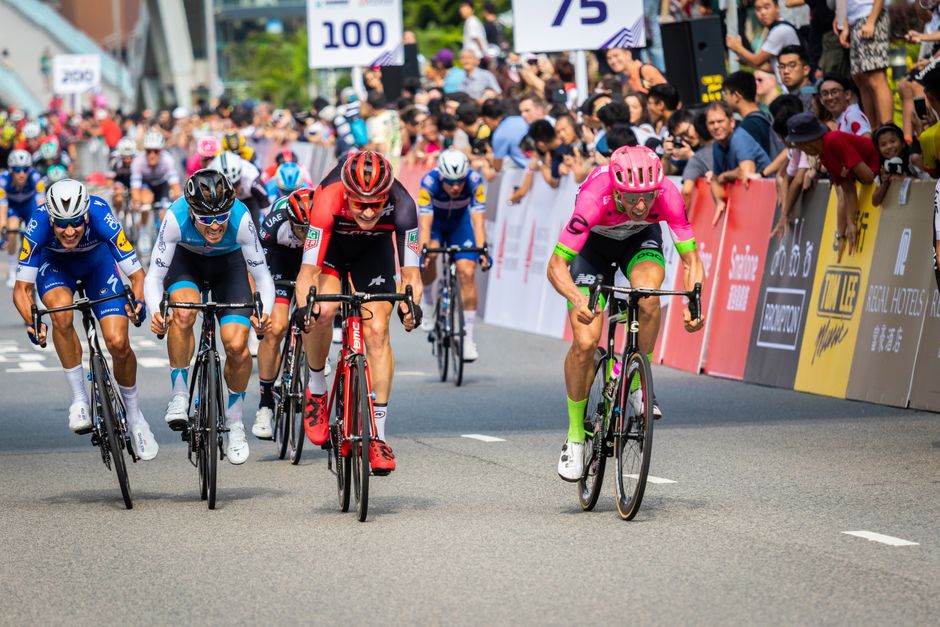
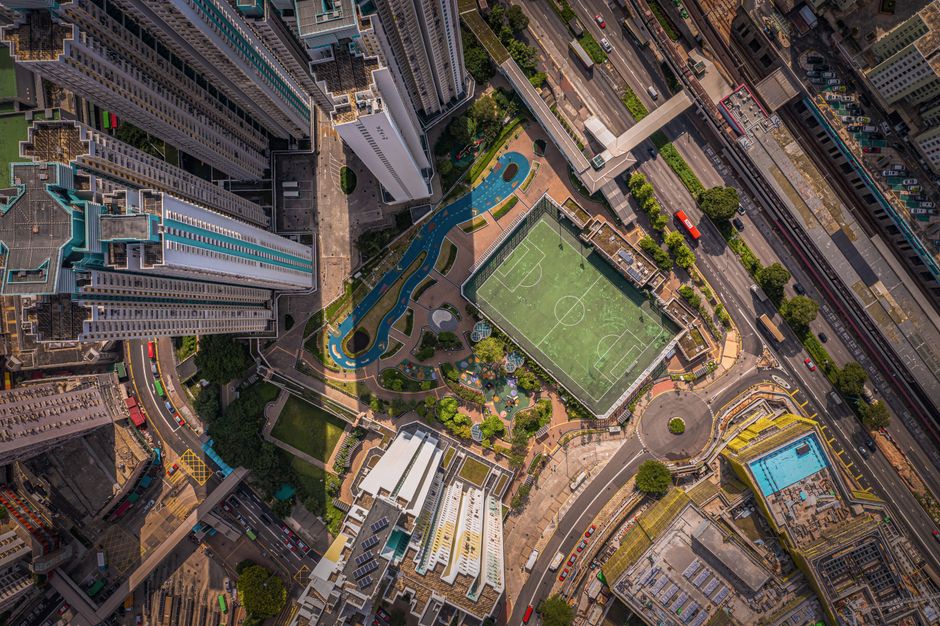
Hong Kong's sporting infrastructure is experiencing unprecedented demand. New participation data from the Leisure and Cultural Services Department reveals that monthly footfall across major public venues has surged 34% since 2023, painting a compelling picture of a city where fitness has become a genuine cultural priority.
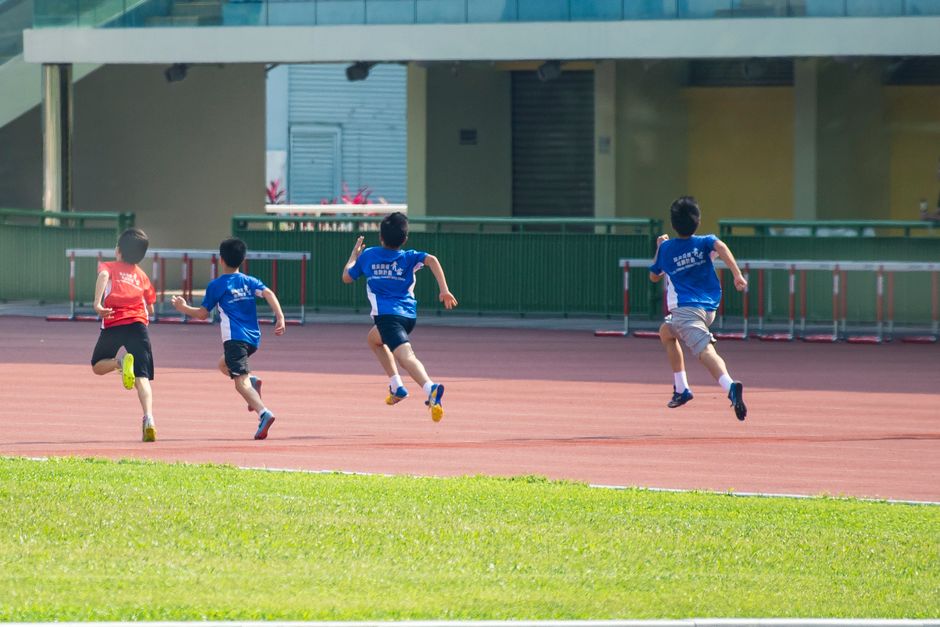
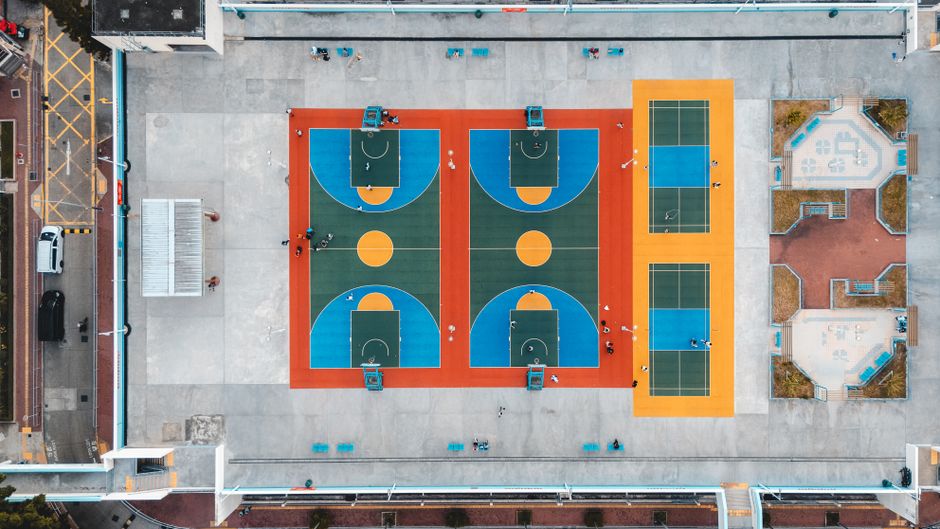
The Hong Kong Stadium in So Kon Po has become the epicentre of this shift. Usage figures show the 40,000-capacity venue now hosts nearly 180 events annually—up from 120 just three years ago—with badminton and volleyball leagues accounting for the largest volume of bookings. The Coliseum in Hung Hom similarly reports record participation in its indoor sports programmes, with membership rosters for evening basketball and futsal sessions consistently exceeding capacity during peak hours.
What's particularly striking is the demographic composition. Rather than skewing towards elite athletes, participation data shows a broad cross-section: nearly 62% of regular stadium users are adults aged 25-45 working in finance, tech, and professional services across Central, Admiralty, and Causeway Bay. This isn't traditional Hong Kong gym culture—it's structured, community-driven sport.
The Kowloon Park Sports Centre on Nathan Road has capitalized on this trend. Their swimming and squash programmes now maintain waiting lists, with annual membership fees ranging from HK$2,400 to HK$4,800. Weekend sessions are booked solid months in advance, reflecting an appetite for accessible, organized facilities in high-density neighbourhoods.
Beyond government venues, private operators are responding aggressively. Tennis courts in Victoria Park and squash clubs across Wanchai report booking rates exceeding 85% during weekday evenings—suggesting white-collar professionals are actively carving fitness time from compressed schedules. Running clubs affiliated with Victoria Park report membership growth of 28% year-on-year, with organized 5K and 10K events drawing 3,000-plus participants each.
What does this participation explosion actually mean? It suggests Hong Kong's notorious work culture may be shifting incrementally. The data indicates people aren't just joining gyms; they're committing to team sports, structured leagues, and scheduled activities. This requires temporal discipline and suggests a reframing of fitness from individual pursuit to social imperative.
Health consciousness certainly plays a role, but the venue data tells a subtler story: Hong Kong residents are seeking community and structure within their compressed urban lives. Major sporting venues, once primarily associated with elite competition, have become democratic spaces where ordinary professionals reclaim agency over their time and bodies.
As the city continues developing new facilities—including upgrades to Sha Tin's sports complexes—this participation trajectory will likely accelerate, fundamentally reshaping how we understand fitness culture in Hong Kong.
This article was compiled by AI from the sources linked above and screened before publishing. See our editorial standards.
About this article
Published by The Daily Hong Kong
Spread the word
Daily brief
Free, in your inbox before 7am. Weekdays.
Before you go
The day's Hong Kong news in a 2-minute read. Free, weekday mornings.