Sport
From Stanley Beach to Mong Kok: How Grassroots Leagues Are Redefining Sport in Hong Kong
As participation in amateur recreational clubs surges across the territory, a quiet revolution is taking shape—one weekend match at a time.
3 min read
Sport
As participation in amateur recreational clubs surges across the territory, a quiet revolution is taking shape—one weekend match at a time.
3 min read
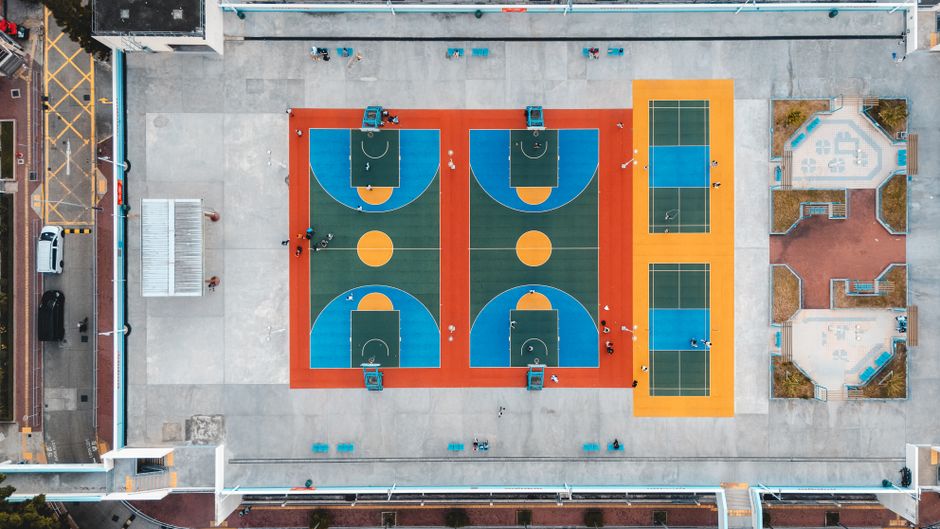
On any given Saturday morning, the futsal courts near Sham Shui Po Sports Centre hum with activity. Teams with names like "Kowloon Wanderers" and "Island Strikers" clash in matches that draw barely a mention in mainstream sports coverage, yet represent something increasingly vital to Hong Kong's social fabric: the explosion of grassroots amateur sport.
The numbers tell a compelling story. Registration with the Hong Kong Sports and Recreation Board for amateur leagues has grown by approximately 28% since 2023, with badminton, futsal, and recreational basketball leading the charge. Small clubs operating from neighbourhood venues—from the converted courts in Victoria Park to the multipurpose facilities dotting the New Territories—now serve tens of thousands of players who simply want to compete, belong, and stay active.
What's driving this surge? Part of it is accessibility. A season-long futsal league at Kowloon Bay Sports Centre costs around HK$3,500 per team, placing organised competition within reach of working professionals and university students alike. Unlike elite academies or professional franchises, these amateur leagues ask only that you show up.
"The beauty is in the diversity," explains the coordinator of one mixed-gender volleyball league operating from courts in Wong Tai Sin. "You've got accountants playing alongside construction workers, people who played in their youth getting back into sport, and complete newcomers discovering they love the game. That's not happening in Hong Kong's elite structures."
The movement extends beyond traditional sports. Climbing clubs centred at crags in Sha Tin and Tai Po have swelled their membership rosters. Running clubs organising weekly loops through the Peak District and Parkview have become de facto social networks. Dragon boat teams preparing for summer regattas across Aberdeen Harbour bring together office workers and retirees in shared purpose.
Social media has amplified this grassroots ecosystem. WhatsApp groups and Instagram pages advertise pickup games and league positions, creating a decentralised but interconnected web of recreational opportunity. Players easily find communities matching their skill level, schedule, and geography.
Yet challenges remain. Venue availability remains constrained during peak hours, and funding for grassroots infrastructure lags behind investment in elite pathways. Many clubs operate hand-to-mouth, relying on volunteer administrators and minimal sponsorship.
Still, the momentum is unmistakable. Hong Kong's recreational sport movement isn't waiting for institutional blessing or media attention. It's building itself, one league, one court, one committed community at a time—quietly reshaping how thousands of Hong Kongers spend their weekends and define belonging.
This article was compiled by AI from the sources linked above and screened before publishing. See our editorial standards.
About this article
Published by The Daily Hong Kong
Spread the word
Daily brief
Free, in your inbox before 7am. Weekdays.
Before you go
The day's Hong Kong news in a 2-minute read. Free, weekday mornings.