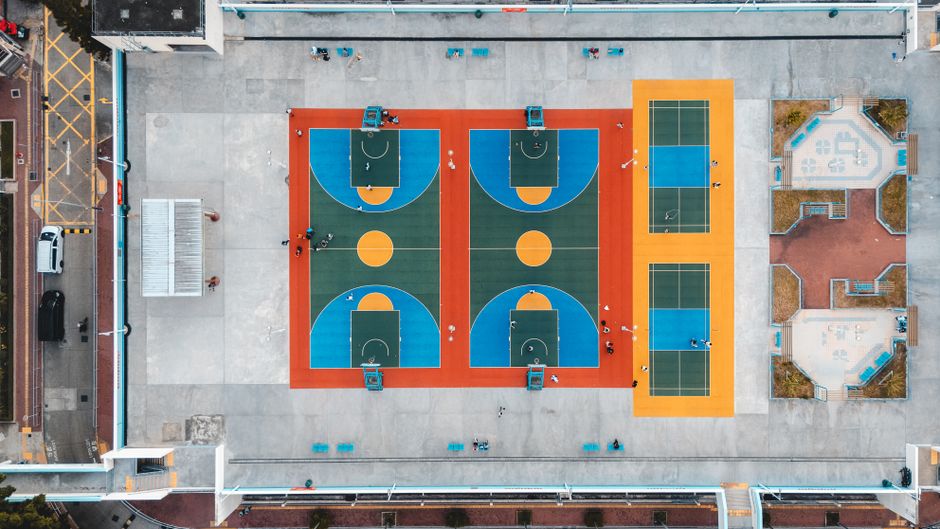
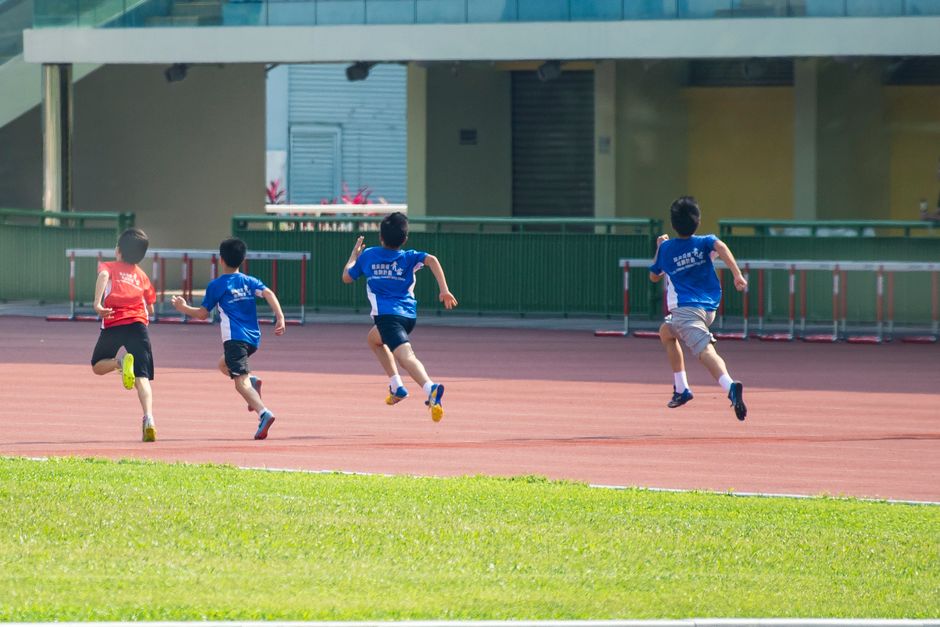
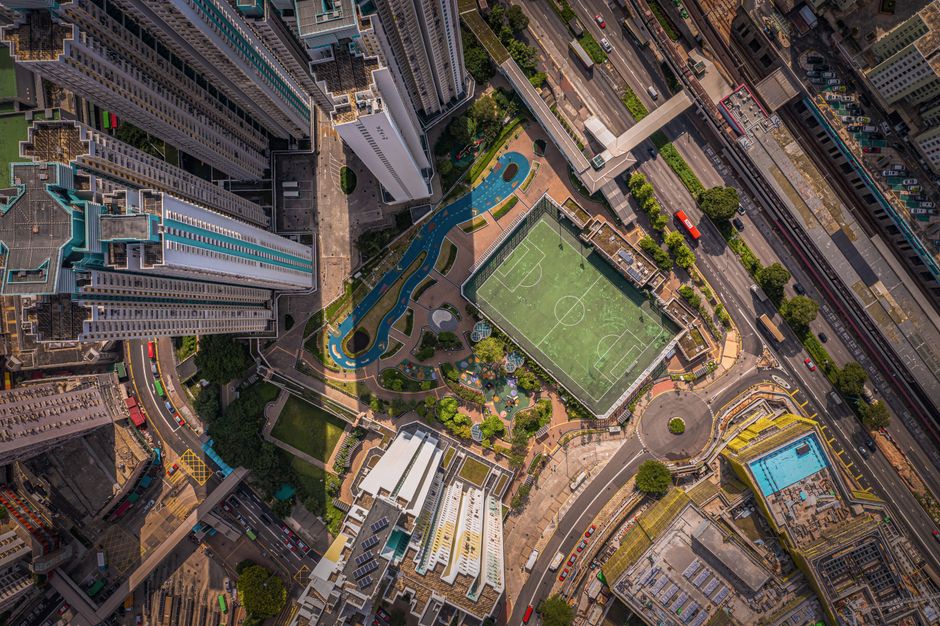
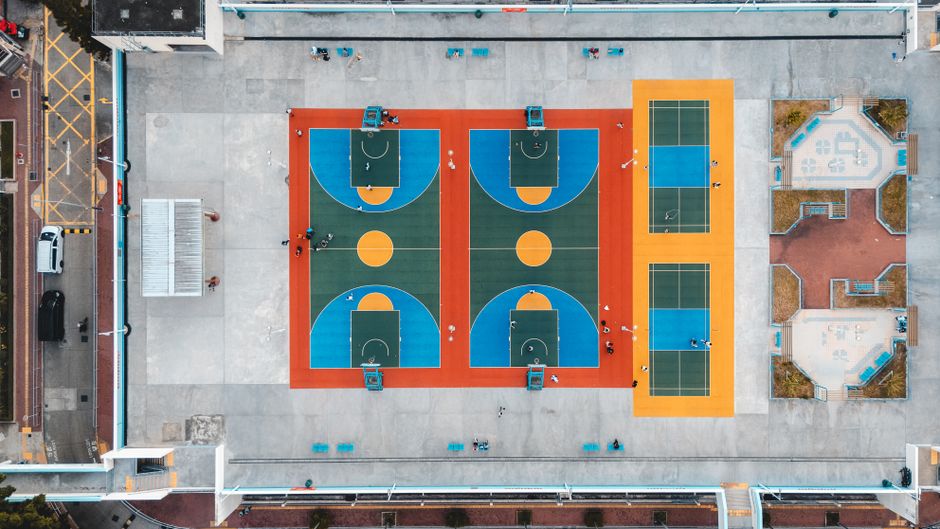
Walk past the Kowloon Park basketball courts on a Saturday afternoon, and you'll witness something that tells a larger story about Hong Kong's sporting landscape. Teams of teenagers weave between cones, their coaches barking instructions while parents line the sidelines—a scene replicated across dozens of neighbourhoods from Sheung Wan to Sha Tin.
Youth sport participation in Hong Kong has experienced a notable resurgence. According to the latest Hong Kong Sports Development Board data, grassroots club memberships increased by 18% over the past two years, with particular growth in basketball, badminton, and table tennis programmes aimed at under-16s. This surge reflects both renewed interest and a deliberate community-building effort by local organisations.
Take the Aberdeen Sports Centre initiative, where the Southside Youth Badminton Club now operates five evenings weekly. Their membership has grown from 34 members in 2024 to 156 today, with fees kept deliberately modest at HK$120 per session to ensure accessibility. "We're not just teaching racket skills," explains the club's management structure. "We're creating spaces where children from different schools and backgrounds connect over something they love."
Similar momentum drives operations across Mong Kok, where the cramped urban density has made creative use of community halls essential. The Mong Kok District Sports Association runs seven youth football clubs from adapted indoor facilities on Nelson Street, serving over 400 young players. Equipment costs—jerseys, footballs, cones—are subsidised through district council grants, keeping barriers to entry low.
What distinguishes these clubs isn't merely infrastructure, but their deliberate focus on cohesion. Many now incorporate leadership programmes where senior youth members mentor newcomers, creating vertical integration within clubs. The Stanley Beach Volleyball Collective pairs competitive training with beach clean-ups, embedding environmental responsibility into athletic development.
Funding remains fragmented. While the Hong Kong Jockey Club and various corporate sponsors provide grants, individual clubs typically fundraise through modest membership fees, tournament entry fees, and occasional sponsorships from local businesses. A basketball club in Causeway Bay, for instance, charges HK$250–400 monthly depending on age groups and training frequency.
The impact extends beyond playing fields. Coaches report improved school attendance and engagement among participants. Parents cite the structured environment and peer support as crucial during an era when digital distraction dominates youth culture. For many children across our densely populated districts, these clubs represent genuinely affordable, accessible pathways into sport.
As Hong Kong navigates rapid social change, these grassroots organisations quietly perform essential work—reminding us that community, in the truest sense, still flourishes when young people gather, train, and grow together.
This article was compiled by AI from the sources linked above and screened before publishing. See our editorial standards.