Walk down a side street in Causeway Bay or Mong Kok on any weekday evening, and you'll notice something that would have seemed unlikely five years ago: independent fitness studios are packed. Not the gleaming, corporate-branded gyms that once dominated Hong Kong's fitness landscape, but smaller, neighbourhood-based clubs where trainers know members by name and community bonds matter as much as the machines.
The shift reflects a broader recalibration in how Hong Kong's fitness-conscious population approaches training. According to fitness industry observers, boutique gyms and community-focused clubs have grown by roughly 25 per cent across the territory since 2023, particularly in residential pockets like Central, Sheung Wan, and Tai Koo. These aren't slick franchises—they're studios offering everything from functional training to aerial yoga, often tucked into converted industrial spaces or modest shopfronts.
The economics favour smaller operators. While premium corporate gym memberships in prime locations can exceed HK$1,200 monthly, community clubs typically charge between HK$500 and HK$800, making fitness more accessible to young professionals and families. Many operate on a loyalty model rather than aggressive acquisition, building sustainable bases of committed members rather than chasing sign-ups.
What distinguishes these clubs isn't just affordability. They've succeeded by fostering genuine community—something large gyms struggle to replicate. Regular members become friends. Small group classes create accountability. Social media channels organised by members themselves amplify a sense of belonging that feels distinctly local rather than corporate.
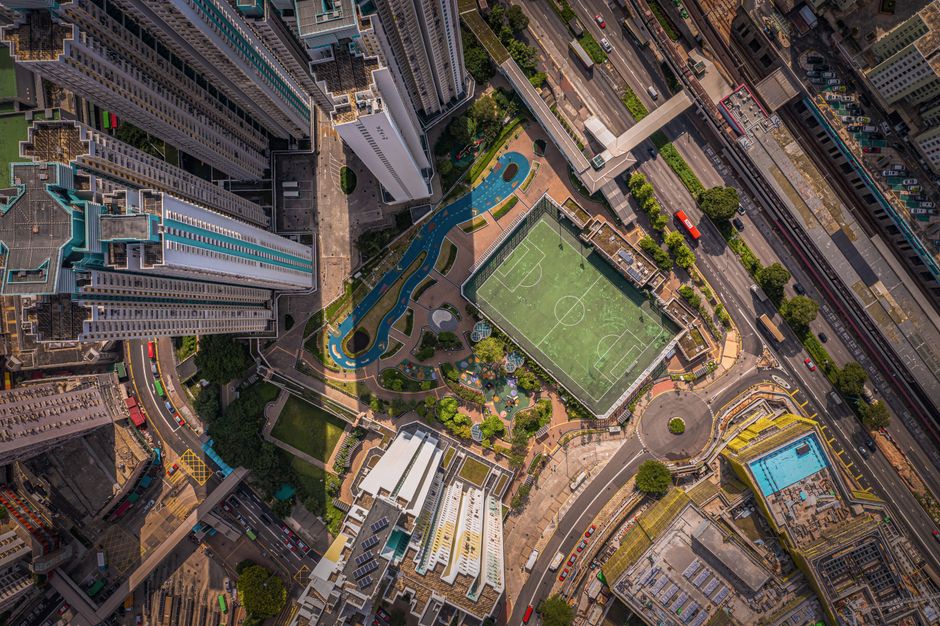
The trend mirrors global patterns but carries distinctly Hong Kong characteristics. Space constraints mean studios must be creative: rooftop training spaces in North Point, basement clubs in Wan Chai, and converted warehouse studios in Kwun Tong have become unlikely fitness hubs. Members often discover clubs through word-of-mouth or neighbourhood recommendation rather than advertising, lending an organic, community-discovery quality.
Some operators have extended beyond fitness. Weekend community runs starting from Temple Street, group cycling trips to the New Territories, and nutrition workshops have transformed gyms into social anchors. This expansion deepens member investment and loyalty in ways that traditional pricing models cannot.
Trainers report genuine satisfaction with this shift too. Working in smaller environments allows for more personalised coaching, closer relationship-building, and the ability to shape club culture directly. For Hong Kong's fitness community—often stretched thin by work pressures and urban density—these clubs offer something increasingly precious: a genuine sense of place and belonging, built brick by brick through consistent local presence.
This article was compiled by AI from the sources linked above and screened before publishing. See our editorial standards.