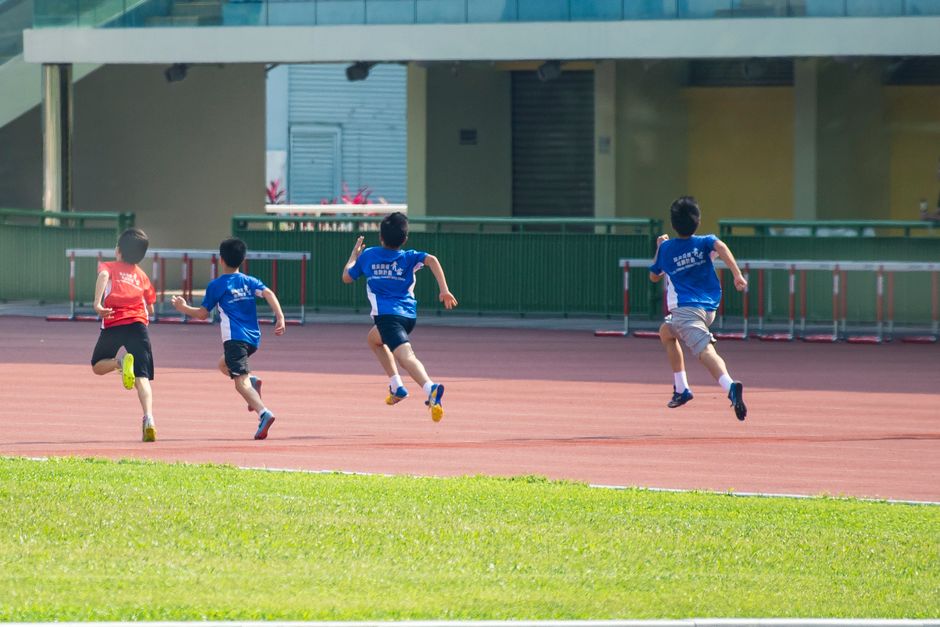
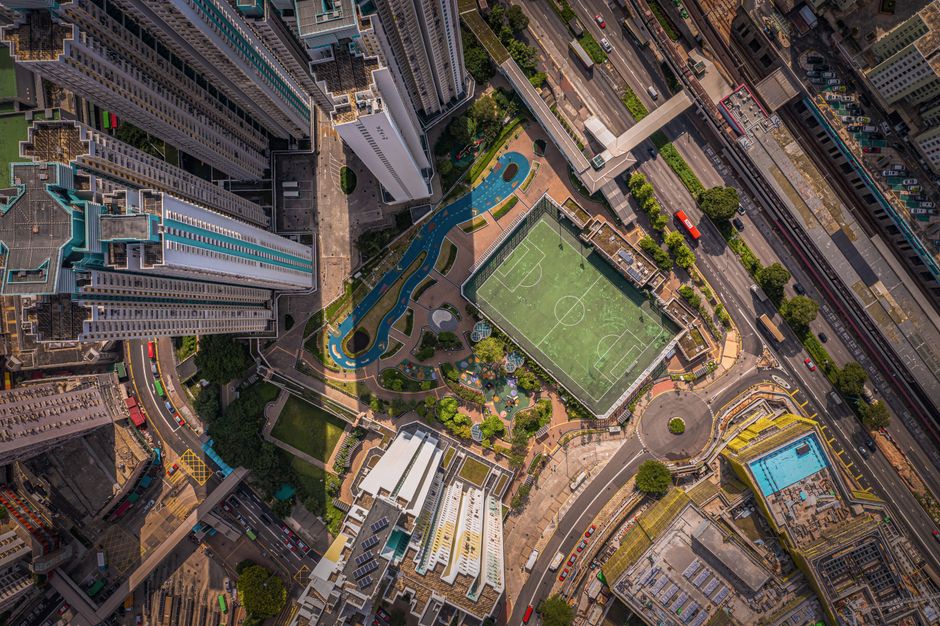
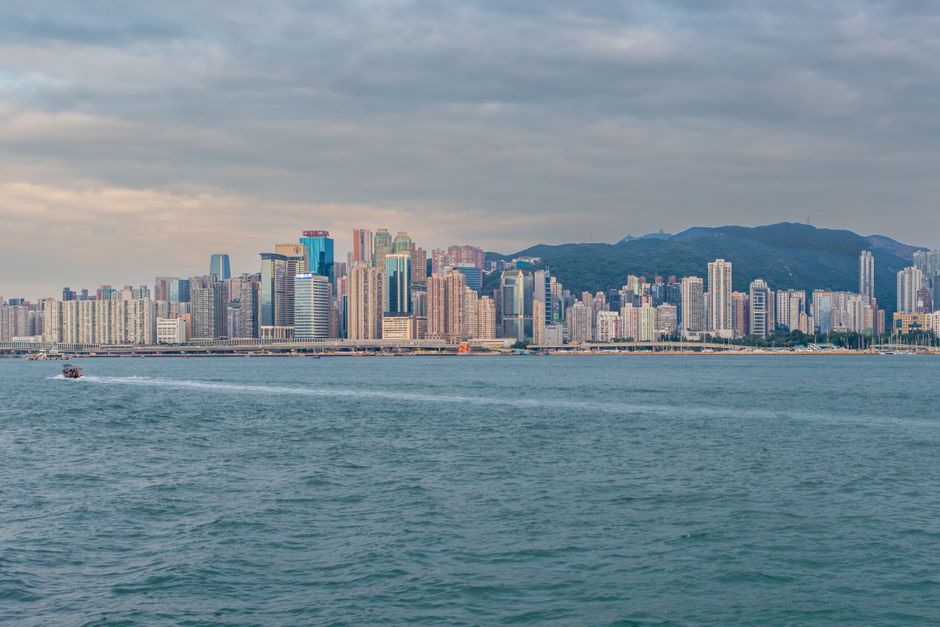
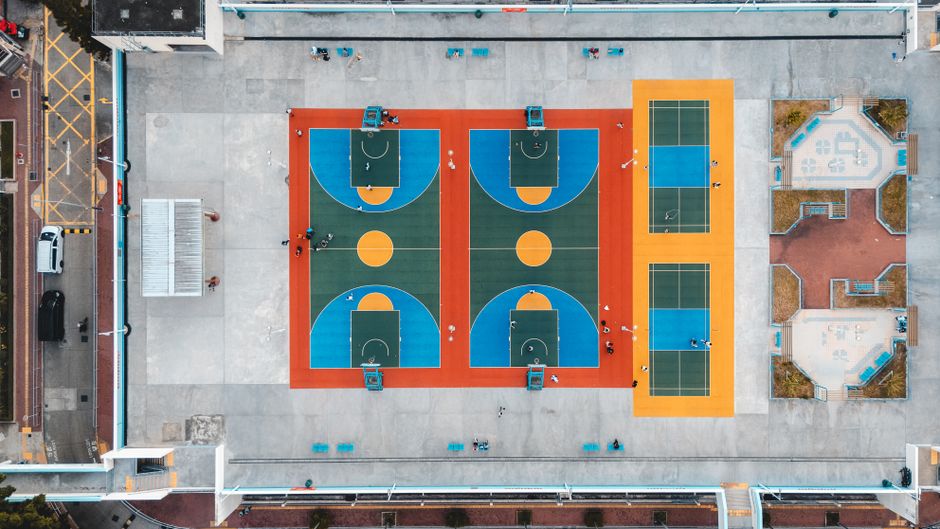
On any given evening in Mong Kok, you'll find clusters of residents gathered beneath the neon glow of Nathan Road, stretching and warming up for outdoor boot camp sessions that have become as much a part of the neighbourhood rhythm as dim sum trolleys. These aren't Instagram influencers promoting premium membership packages—they're neighbours helping neighbours get fit, often for no more than a voluntary donation.
Hong Kong's fitness landscape has undergone a striking transformation. While premium gym chains continue to anchor themselves in Central and Causeway Bay, commanding monthly fees upwards of HK$800, a grassroots movement has quietly taken root in districts like Sham Shui Po, Cheung Sha Wan, and Kwun Tong. Community sports groups operating from public spaces and modest community centres have grown exponentially over the past three years, with participation in volunteer-led fitness programmes increasing by an estimated 45 per cent since 2024, according to data from the Hong Kong Sports Development Board.
The appeal is partly financial—Hong Kong's working families spend increasingly on housing and basic living costs, leaving little for premium fitness memberships. But it runs deeper than economics. These grassroots initiatives have tapped into something the corporate fitness industry often overlooks: the human need for belonging.
In Sham Shui Po, where average monthly household income sits well below the territory's median, community centres like those operated near the Apliu Street markets have become hubs where construction workers, domestic helpers, and retirees train together. Early morning tai chi sessions blend into lunchtime cardio classes, and evening strength circuits draw unlikely friendships between teenagers and septuagenarians. The cost? Often nothing more than a small weekly contribution—sometimes just HK$20 to cover facilities.
What distinguishes these movements from commercial fitness is their hyper-local nature and volunteer backbone. Training programmes are designed by community members, not distant corporate wellness directors. Instructors are neighbourhood residents who've developed expertise and now share it freely. This creates accountability and consistency that mere transactional gym membership rarely achieves.
The Hong Kong government's Sports for All initiative has quietly supported these movements through modest grants to community organisations, though funding remains insufficient. Yet the momentum persists. What began as informal gatherings in public parks has evolved into structured programmes addressing mental health, age-related fitness, and chronic disease prevention—often reaching the most vulnerable populations that commercial gyms overlook.
In a city where property prices are among the world's highest and urban space is at a premium, Hong Kong's grassroots fitness revolution proves that strength isn't built in expensive facilities with marble floors. It's built in communities, one neighbour at a time.
This article was compiled by AI from the sources linked above and screened before publishing. See our editorial standards.