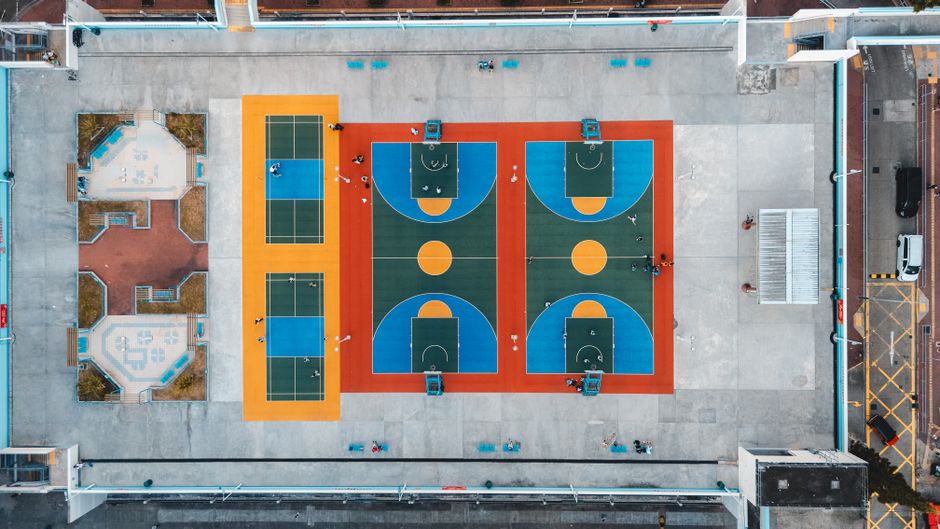
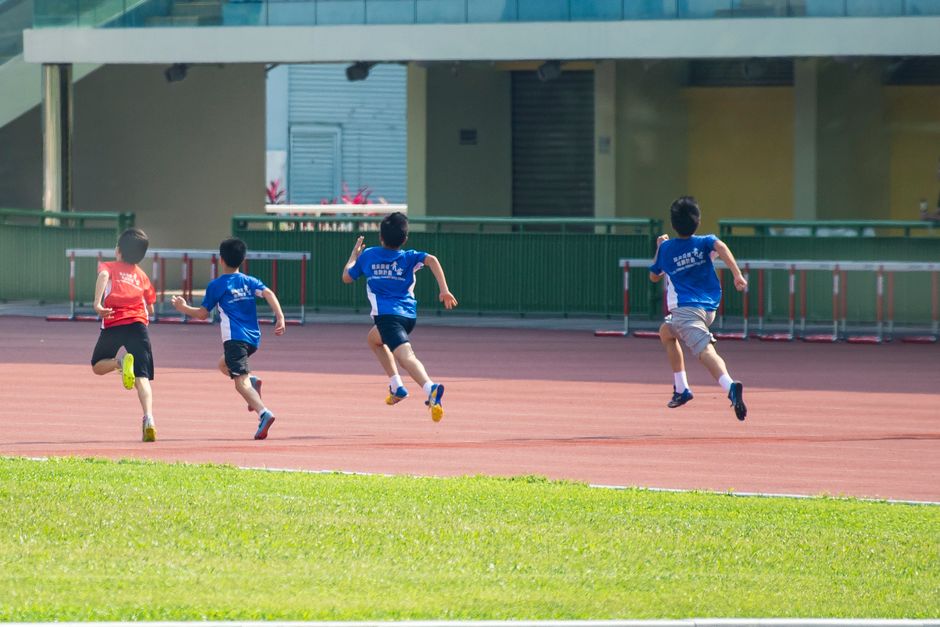
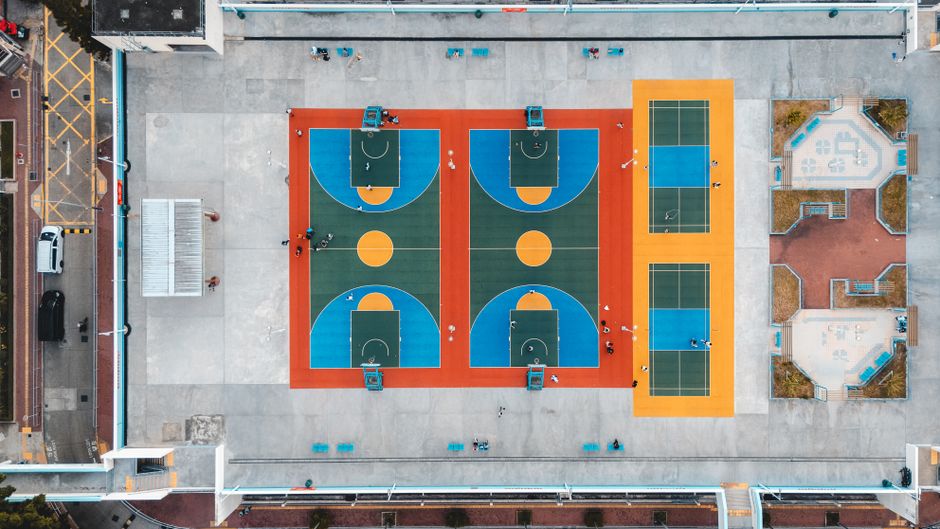
On a Tuesday evening in Sham Shui Po, the badminton courts at the Lei King Road Sports Centre buzz with energy as young players—some barely taller than their rackets—rally across nets under fluorescent lights. This scene, replicated across dozens of neighbourhoods from Tuen Mun to Chai Wan, tells a story often overshadowed by Hong Kong's obsession with elite athletes and international tournaments: the quiet revolution happening in community sports clubs.
The Hong Kong Sports Development Board reported in 2025 that grassroots club membership surged 23 percent over three years, with youth participation in locally-based clubs now exceeding 156,000 across all disciplines. In Wan Chai, the Southorn Playground Volleyball Club has grown from 40 junior members in 2020 to over 220 today, operating five evenings weekly with fees averaging HK$150 per month—deliberately kept accessible for working families.
"What's changed is visibility and confidence," explained one coach at a Tsim Sha Tsui-based swimming club that now operates from multiple pools across Kowloon. "Parents see neighbours' children improving, competing in regional matches, earning places at secondary schools through sport. That creates momentum."
The model thriving in neighbourhoods like Mong Kok and North Point relies on a familiar recipe: volunteer coaches, modest government facility grants, and tight-knit communities. The Yau Tong Basketball Association, operating from courts in the Kowloon Bay Sports Centre since 1983, now runs five weekly training sessions for ages 8–18. Membership fees remain deliberately low, subsidised partly by older alumni who mentor younger players free of charge.
Digital platforms have accelerated growth. WhatsApp groups and Instagram pages for clubs like the Sheung Wan Badminton Society have transformed casual players into committed participants. Summer camps—once rare—now proliferate, with over 2,000 young people across Hong Kong enrolled in July-August grassroots programmes ranging from athletics to table tennis.
Challenges persist. Space remains precious; clubs on Hong Kong Island often compete for court time. Training stipends for coaches, typically HK$80–120 per hour for grassroots volunteers, haven't increased meaningfully in five years. Yet the momentum suggests something sustainable is forming.
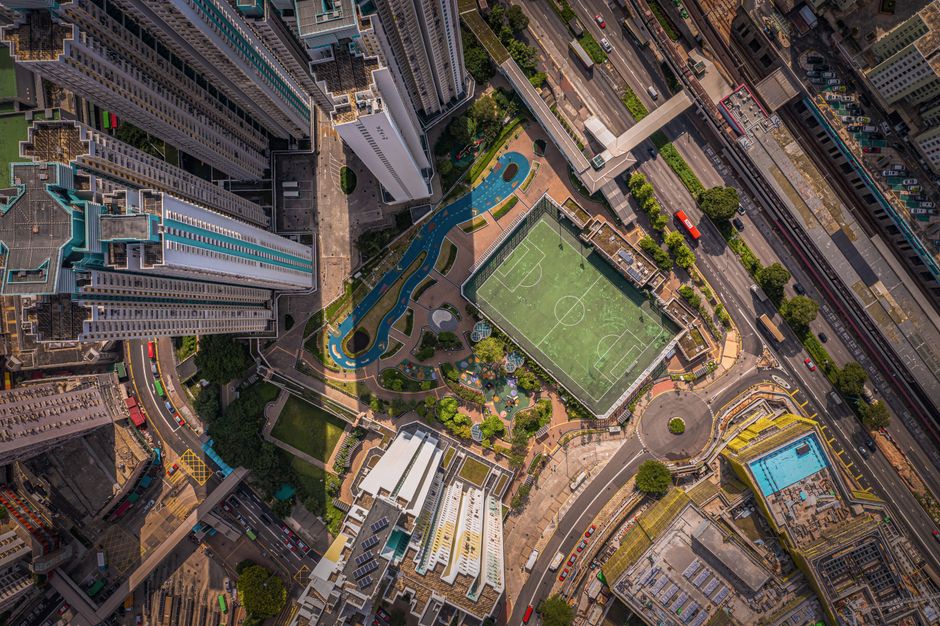
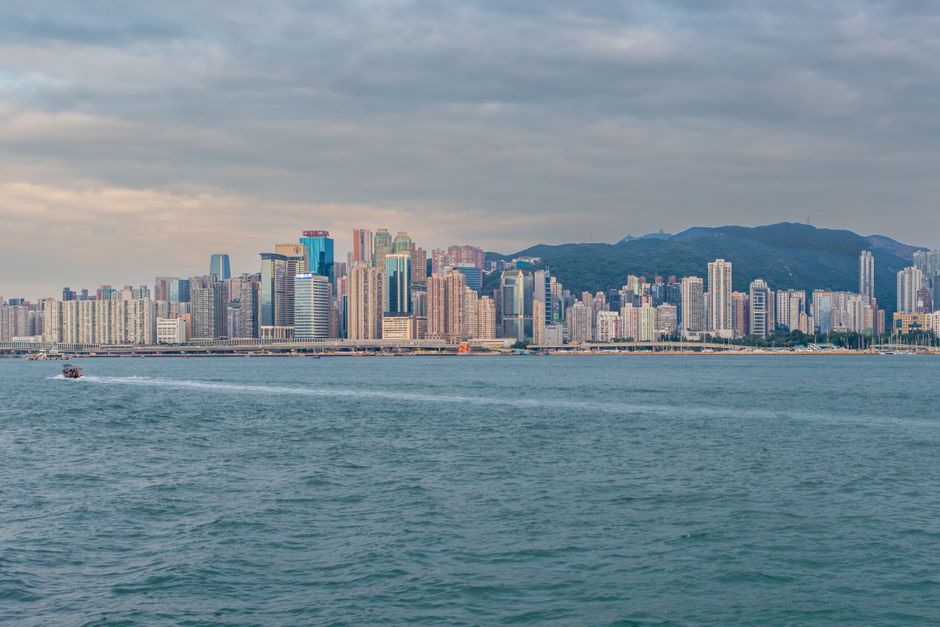
What distinguishes this grassroots wave isn't prize money or sponsorship deals. It's residents discovering that sport—organised locally, coached by neighbours, played in community centres—builds something increasingly rare in dense urban Hong Kong: genuine neighbourhood identity and intergenerational connection.
This article was compiled by AI from the sources linked above and screened before publishing. See our editorial standards.