Dive Deep: How Hong Kong's Water Sports Infrastructure is Making Waves Across Asia
From Olympic-standard pools to world-class beaches, the city's aquatic facilities are drawing competitors and enthusiasts while raising standards for regional water sports.
This article was generated by AI from the linked public sources. The Daily Hong Kong is independently owned and covers Hong Kong news free from advertiser or sponsor influence. Read our editorial standards →
Hong Kong's water sports ecosystem has undergone a quiet renaissance, with upgraded venues and expanded infrastructure positioning the city as a regional aquatic hub. The South China Morning Post's recent coverage of athlete development highlights how venue quality directly correlates with international competitiveness—and Hong Kong is investing accordingly.
The Kowloon Park Swimming Complex in Tsim Sha Tsui remains the cornerstone of the city's competitive aquatics scene. Its Olympic-standard 50-metre pool has hosted regional championships and serves roughly 2,000 weekly users during peak seasons. Equally significant is the Victoria Park Swimming Pool in Causeway Bay, where morning sessions often see waiting lists of 100-plus swimmers seeking lane space. The Leisure and Cultural Services Department manages 44 public swimming pools across the territory, though capacity constraints persist during summer months, with peak-hour fees capped at HK$17 per adult.
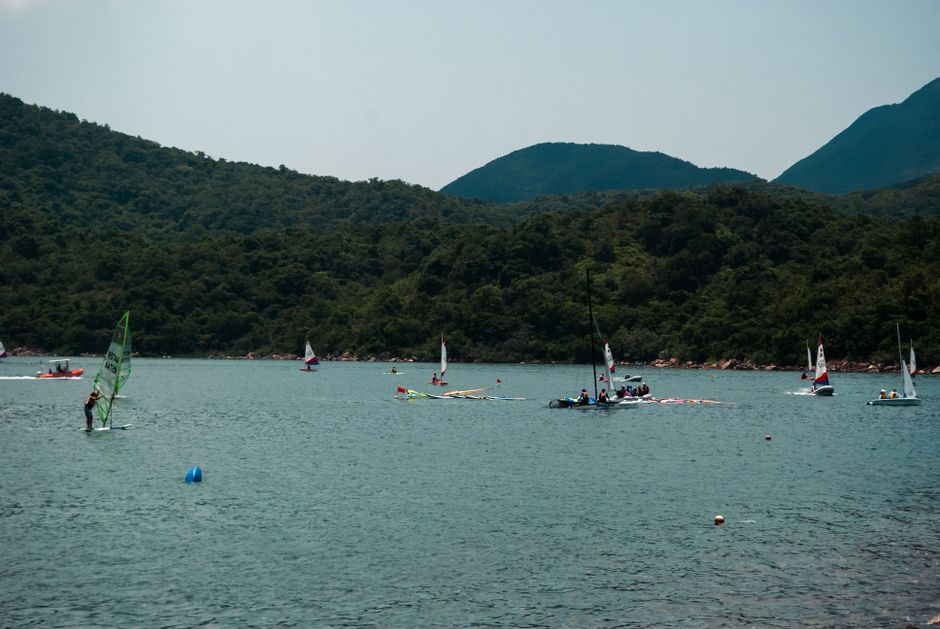
Beyond traditional pools, Hong Kong's coastal infrastructure has transformed recreational water sports accessibility. Clearwater Bay Beach, long favoured by watersports enthusiasts, now features improved changing facilities and equipment storage completed in 2024. Meanwhile, Deep Water Bay and Stanley Main Beach have become hubs for stand-up paddleboarding and open-water swimming, attracting both locals and international visitors. The Hong Kong Open Water Swimming Association reports participation in bay swims has grown 35 percent since 2023, driven partly by enhanced safety infrastructure and medical standby services.
The Hong Kong Sport Institute's aquatic training centre in Sha Tin represents institutional commitment to excellence. Housing dedicated lanes for elite swimmers and diving athletes, it supports approximately 150 scholarship holders annually. Meanwhile, private facilities like the American Club in Repulse Bay and Discovery Bay's aquatic centres serve affluent communities, though memberships exceed HK$30,000 annually.
Challenges remain. Public pool maintenance backlogs occasionally force temporary closures, frustrating grassroots swimmers. Additionally, water temperature fluctuations in winter months limit outdoor training windows, pushing serious athletes toward heated private facilities. Infrastructure expansion, particularly in underserved districts like Tuen Mun and Yuen Long, could democratise access further.
Nevertheless, recent investments signal confidence. The Urban Council's 2025-2027 capital works programme allocates HK$120 million toward aquatic facility upgrades, including improved filtration systems and accessibility modifications. As Hong Kong positions itself for potential hosting of regional aquatic championships, the quality of its venues and management will undoubtedly prove decisive—and local swimmers will reap the benefits.
This article was compiled by AI from the sources linked above and screened before publishing. See our editorial standards.
Covering sport in Hong Kong. This article was generated by AI from the linked sources and was not reviewed by a human editor before publishing. See our editorial standards.