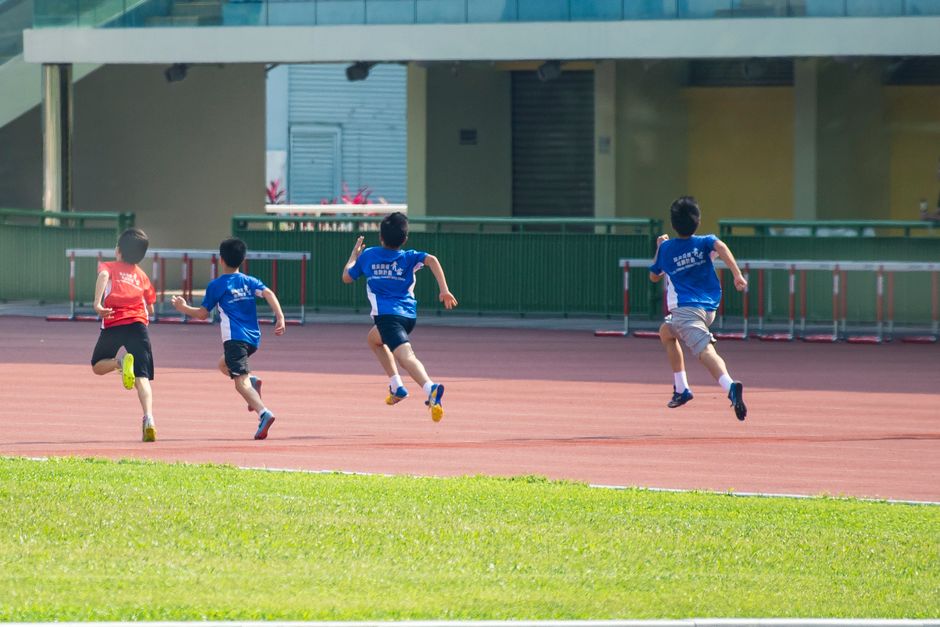
On any given Saturday morning, Victoria Park transforms into a sprawling hub of athletic energy. Dozens of running clubs gather at the track and surrounding paths, with participants ranging from competitive athletes targeting sub-three-hour marathons to casual joggers seeking morning companionship. It's a pattern replicated across Hong Kong's neighbourhoods, from the cycling routes along the New Territories to triathlon training sessions in Repulse Bay.
The endurance sport community in Hong Kong has experienced remarkable growth over the past 18 months. According to local fitness tracking data, participation in organised running events increased by 43 per cent in 2025, while triathlon club memberships nearly doubled. What began as individual pursuits during lockdowns has crystallised into thriving, structured communities that extend far beyond the finish line.
Clubs like the Hong Kong Road Runners and the triathlon-focused Happy Valley Tri Club have become social anchors for thousands. Monthly memberships typically range from HK$150 to HK$400, with most groups offering multiple weekly sessions catering to different ability levels. The accessibility has proven crucial. "We've intentionally created beginner programmes because many people want to join but feel intimidated," explains one veteran club organiser who has witnessed membership triple in recent years.
The cycling scene has particularly flourished along established routes like the scenic New Territories loop and the coastal paths of Sai Kung. Weekend group rides now attract 100-plus participants, with clubs ranging from leisurely pace groups to competitive racing collectives. Membership fees typically support organised training, route scouting, and social events that build genuine friendships beyond fitness metrics.
What distinguishes Hong Kong's endurance sport renaissance is its inclusive ethos. Unlike the stereotypical image of elite athletes, these clubs actively bridge socioeconomic divides. Free taster sessions, subsidised coaching, and mentorship programmes have democratised access. The community emphasises collective achievement—supporting first-time marathoners and welcoming mid-pack cyclists with equal enthusiasm.
The ripple effects extend beyond individual health. Local restaurants and cafés near popular training hubs have seen sustained business increases. More significantly, these clubs have become genuine support networks, particularly for expatriates and new residents seeking to integrate into Hong Kong's fabric.
As the 2026 season progresses, with major marathons and triathlon events scheduled throughout the year, these organisations continue expanding. The question is no longer whether endurance sports will thrive in Hong Kong, but how the city's clubs will accommodate the surging demand for community, purpose, and shared athletic endeavour.
This article was compiled by AI from the sources linked above and screened before publishing. See our editorial standards.