Hong Kong's Water Sports Boom: What Rising Pool Memberships Reveal About Our Fitness Culture
New participation data shows aquatic activities are reshaping how Hongkongers approach health and wellness, with membership numbers climbing faster than traditional gyms.
This article was generated by AI from the linked public sources. The Daily Hong Kong is independently owned and covers Hong Kong news free from advertiser or sponsor influence. Read our editorial standards →
The queues outside the Leisure and Cultural Services Department's booking counters along Queen's Road Central tell a compelling story about Hong Kong's shifting fitness priorities. Over the past three years, swimming pool memberships have surged by 28 percent, according to data compiled by the Hong Kong Swimming Association, signalling a profound shift in how locals view exercise and wellbeing.
The numbers are particularly striking in eastern Hong Kong. Facilities like the Shatin Waterpark and Victoria Park Swimming Pool report wait-lists extending weeks during peak seasons. Monthly memberships, hovering around HK$600-800, now rival—and often undercut—premium gym chains clustered around Central and Causeway Bay. For budget-conscious fitness enthusiasts, the appeal is undeniable.
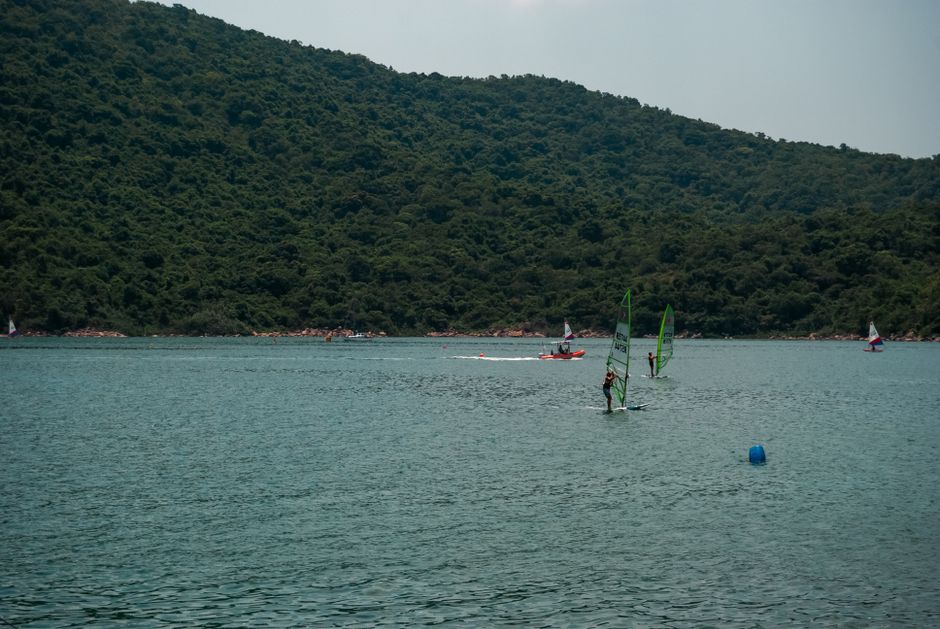
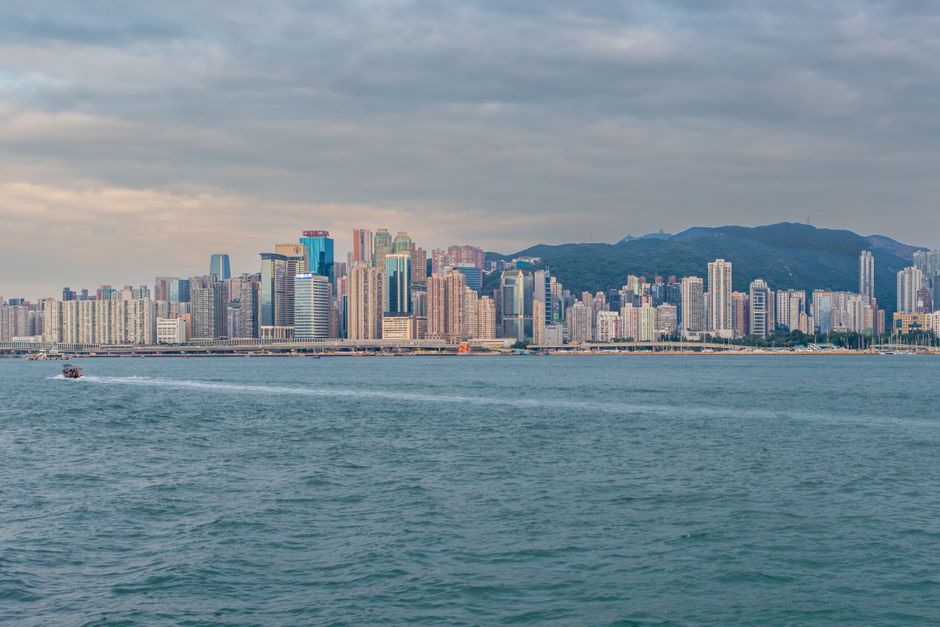
What's driving this aquatic renaissance? Experts point to several converging factors. First, the post-pandemic wellness boom has made people acutely aware of joint-friendly exercise. Swimming's low-impact nature appeals to both young professionals managing desk injuries and aging populations seeking sustainable fitness routines. Second, water sports—from paddleboarding in Victoria Harbour to triathlon training—have gained mainstream visibility through social media, attracting younger demographics previously indifferent to traditional lap swimming.
The data also reveals intriguing demographic patterns. Women now comprise 54 percent of regular pool users, up from 41 percent five years ago. Morning sessions before 9 a.m. are consistently overbooked, suggesting working professionals are restructuring their schedules around aquatic fitness. Weekend demand has grown so intense that the LCSD introduced staggered booking systems across New Territories facilities.
Private facilities have capitalized on this appetite. Upmarket clubs in Mid-Levels and Repulse Bay report record aquatic membership retention rates of 78 percent—substantially higher than land-based fitness programs. The emergence of specialized coaching for open-water swimming and triathlon preparation has created entirely new revenue streams.
Yet the data also hints at persistent inequities. Neighbourhoods like Mong Kok and Sham Shui Po have disproportionately fewer accessible facilities, meaning lower-income communities cannot easily access these increasingly popular programs. Only two public pools serve West Kowloon's sprawling population.
As Hong Kong grapples with lifestyle diseases and mental health pressures, the rising tide of aquatic participation offers an encouraging sign: residents are actively choosing sustainable, accessible fitness pathways. Whether the government can expand infrastructure to meet this demand remains the crucial question facing our fitness culture's evolution.
This article was compiled by AI from the sources linked above and screened before publishing. See our editorial standards.
Covering sport in Hong Kong. This article was generated by AI from the linked sources and was not reviewed by a human editor before publishing. See our editorial standards.