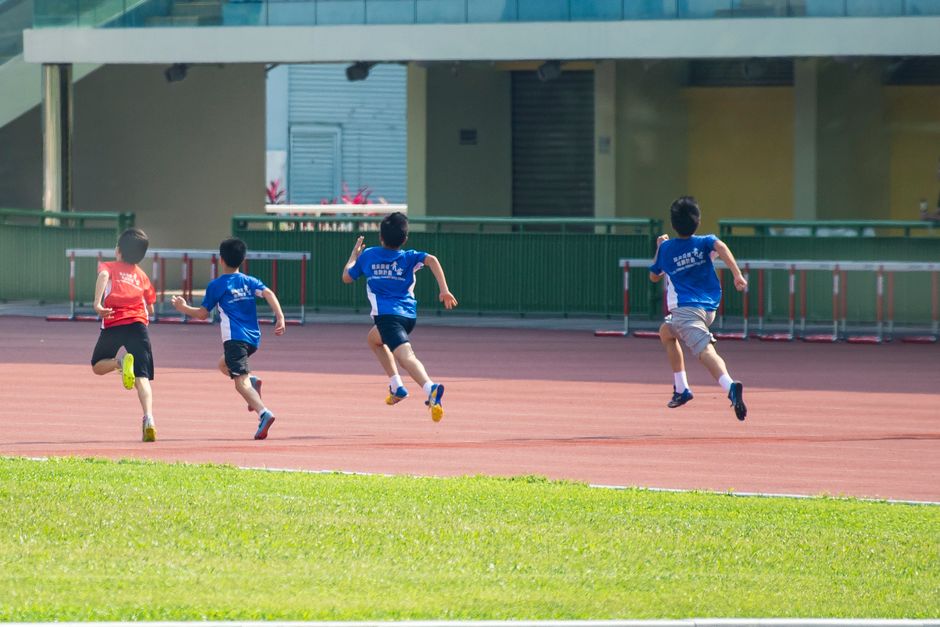
On a humid Saturday morning in Mong Kok, forty teenagers lace up their boots on the synthetic pitch behind Victoria Park. They represent one of seventeen neighbourhood-based football clubs that have flourished across Hong Kong over the past three years, fundamentally shifting how communities engage with sport beyond the glitzy Hong Kong Premier League.
The numbers tell a compelling story. Participation in district-level amateur football has grown by 34% since 2023, according to data from the Hong Kong Football Association's grassroots development programme. What's driving this surge isn't professional ambition—it's belonging.
Take Causeway Bay United, a club founded in 2019 that now operates five teams across different age groups. Their home ground, tucked beside the leisure centre on Wong Nai Chung Road, attracts upwards of 200 supporters on match days. The club charges modest membership fees—roughly HK$150 per month for adults—making it accessible to working families who might otherwise struggle to afford organised sport.
"We're not competing with the Premier League," explains one club coordinator at Eastern Valley FC, which operates across four pitches in Tuen Mun. "We're offering something different: consistency, friendship, and a genuine sense of place. You know everyone in your team, you know the families watching."
This hyper-local approach is reshaping public spaces. Sham Shui Po's Apliu Street precinct, traditionally known for electronics trading, now hosts weekend football clinics that teach the game to children from low-income households. Similarly, the Kowloon Bay Sports Centre has become a hub for three affiliated clubs that collectively serve over 800 active players.
Community organisers point to integration benefits beyond the pitch. Several clubs operate mentorship programmes linking young players with local professionals. Wan Chai-based Rainbow FC explicitly markets itself as a safe space for LGBTQ+ athletes and their allies—a pioneering move in Hong Kong's sports culture.
The professional leagues haven't gone unnoticed. South China AA and other Premier League clubs have begun formalising partnerships with grassroots organisations, offering coaching clinics and equipment support. Yet the real power lies with local clubs themselves: they require minimal infrastructure, no television contracts, and generate loyalty through genuine community ties rather than corporate sponsorship.
As Hong Kong continues navigating rapid urbanisation and social fragmentation, these modest football clubs are demonstrating that sport's greatest value isn't measured in stadium capacity or television ratings—it's measured in the families who return week after week to the same pitch, cheering the same players, in the same neighbourhood they call home.
This article was compiled by AI from the sources linked above and screened before publishing. See our editorial standards.