Walk through the Sham Shui Po Sports Ground on any Tuesday evening, and you'll witness something increasingly rare in Hong Kong's fast-paced landscape: genuine community gathering. The pitch echoes with the sounds of dozens of local footballers—nurses finishing late shifts, university students, construction workers—all united by their commitment to Sham Shui Po District Football Club, one of the city's oldest grassroots organisations.
The club, which has operated since 1987, has seen membership surge 34 per cent over the past two years, mirroring a broader trend across Hong Kong's neighbourhood football ecosystem. From Causeway Bay's thriving amateur leagues to the burgeoning five-a-side tournaments in Tsuen Wan, local clubs are filling a void that professional football—dominated by the Hong Kong Premier League's five-team circuit—has long left vacant.
"We're not chasing glory or contracts," explains one seasoned administrator at Eastern District Football Association, which oversees seventeen community teams across the Mid-Levels, Quarry Bay, and Shau Kei Wan. "We're building something tangible. These players go home, talk about their matches, bring their families to weekend games. It strengthens the neighbourhood."
The economics support this growth. Registration fees for seasonal membership hover around HK$2,500–HK$3,500, substantially cheaper than private coaching academies, while pitch rental at public facilities like Victoria Park and Kowloon Bay Sports Centre remains accessible. Crucially, many clubs now operate subsidised youth programmes in partnership with NGOs, extending football's reach into communities that might otherwise be priced out.
Women's participation has proven particularly transformative. Ladies' divisions—virtually non-existent a decade ago—now field competitive teams across all districts. The success of Cape Verde's remarkable World Cup run, widely celebrated within Hong Kong's diaspora communities, has similarly inspired greater engagement from immigrant supporters who see football as a cultural anchor.
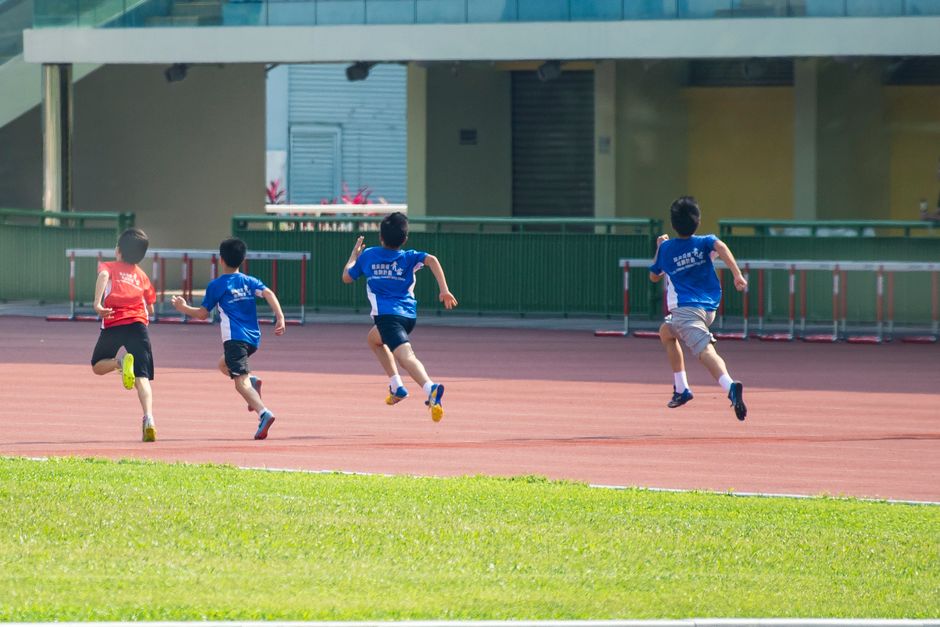
Beyond match days, clubs are anchoring themselves deeper into neighbourhood life. Many operate coaching sessions at primary schools, organise charity matches benefiting local causes, and host social events at community centres. The Kowloon City Football Club recently partnered with elderly care facilities to create intergenerational mentorship programmes.
As Hong Kong continues its rapid urban evolution, these grassroots football organisations represent something increasingly precious: spaces where strangers become teammates, where weekly fixtures provide rhythm and belonging, where a neighbourhood's identity crystallises around shared passion. In a city of 7.5 million, sometimes the most meaningful victories happen far from stadium lights, on local pitches where community still matters most.
This article was compiled by AI from the sources linked above and screened before publishing. See our editorial standards.