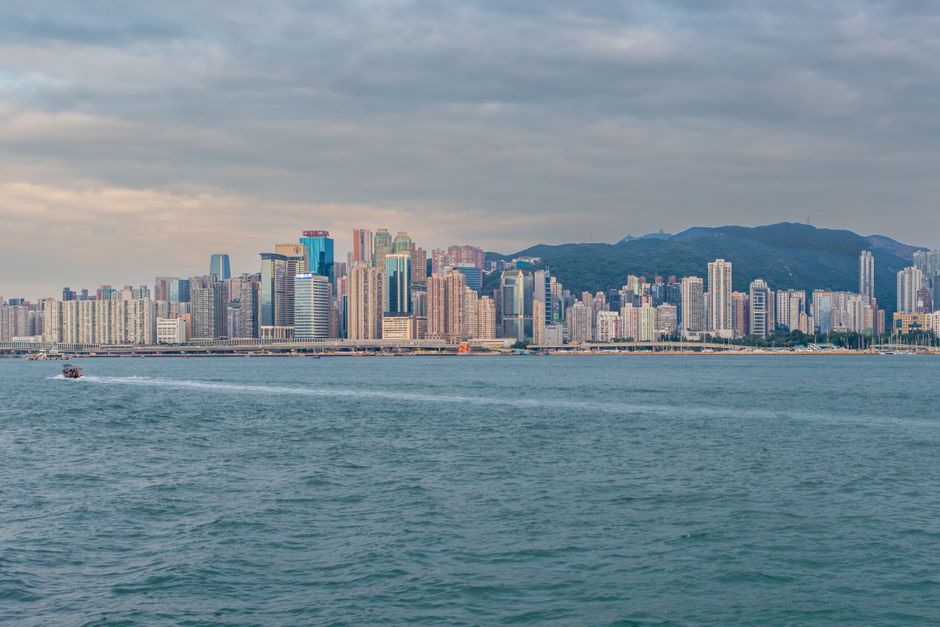
Walk through Central on a weekday evening and you'll notice something the statistics have already confirmed: Hong Kong is moving. Not just commuting—but actively, intentionally moving.
Recent participation data from the Hong Kong Sports Development Board reveals a striking trend. Attendance at live sporting events has climbed 34 percent over the past three years, while memberships at dedicated fitness facilities across the territory have grown by nearly 40 percent. For a city long stereotyped as desk-bound and digitally distracted, the numbers tell a different story.
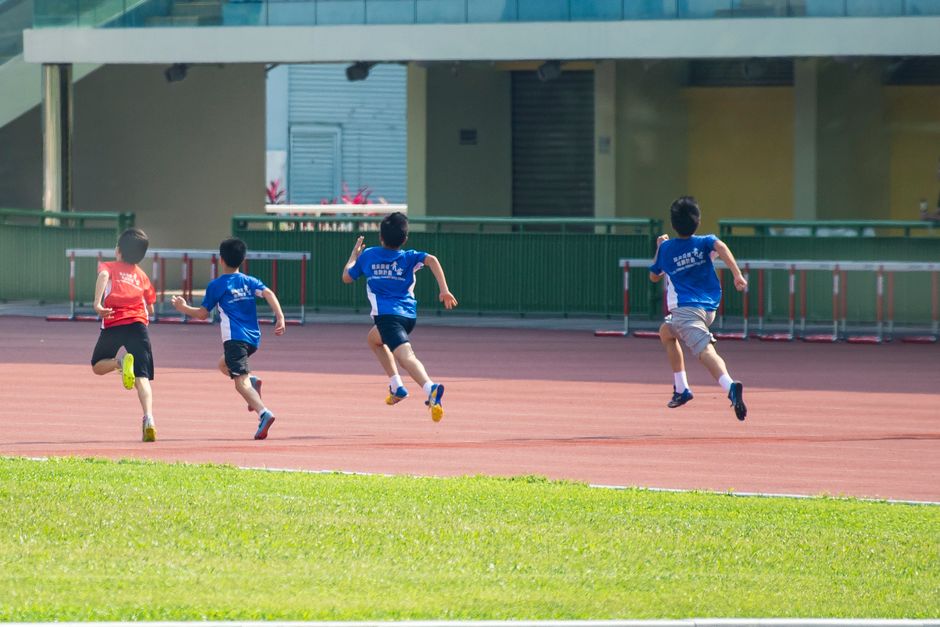
The shift is visible on the ground. The Hong Kong Football Club's grounds in So Kon Po, Causeway Bay now host weekend matches drawing crowds of 2,000-plus spectators—double the figures from five years ago. Meanwhile, the revitalised Victoria Park running track in Causeway Bay has become something of a pilgrimage site, with organised athletics groups gathering most evenings. Membership at the city's public sports centres has surged, with the Kowloon Park Sports Centre reporting a 28 percent increase in annual pass holders since 2023.
What does this tell us about contemporary Hong Kong fitness culture? Several things. First, there's a clear appetite for *communal* sport. Solo gym sessions remain popular, but the growth sectors are group activities—running clubs in Wan Chai, dragon boat teams training at Shing Mun River, cycling collectives based in New Territories neighbourhoods like Tai Po. The Hong Kong Parkrun movement, which operates free weekly 5km runs at venues including Victoria Park and Sha Tin, has enrolled over 8,000 regular participants.
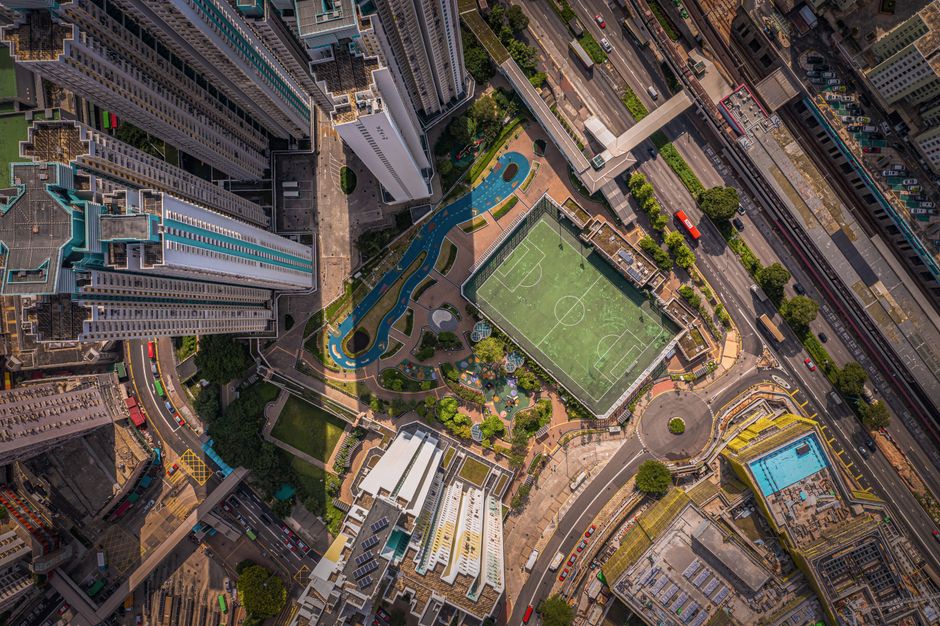
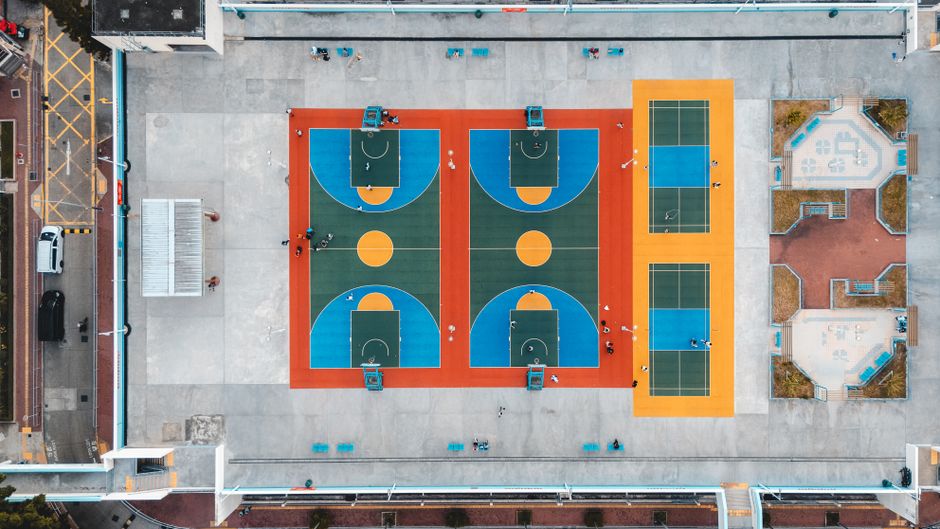
Second, accessibility matters. Public sports facilities charge modest fees—around HK$25-45 per visit—making them far more accessible than private gyms, which typically run HK$600-1,200 monthly. The participation surge correlates directly with government investment in public infrastructure, suggesting price remains a determining factor for many.
Third, there's a demographic shift. While older generations have long frequented public facilities, younger professionals aged 25-40 are the fastest-growing segment, particularly in action sports. The number of registered climbers at Hong Kong's indoor climbing gyms—concentrated in Sheung Wan and Mong Kok—has tripled since 2021.
The picture emerging from participation data is not of a fitness-obsessed city, but a pragmatic one recalibrating its relationship with health. Hongkongers are choosing to watch sport *live*, choosing to participate collectively, choosing venues that fit their budgets and schedules. It's a quiet but significant cultural shift, visible wherever you look in the city—if you know where to watch.
This article was compiled by AI from the sources linked above and screened before publishing. See our editorial standards.