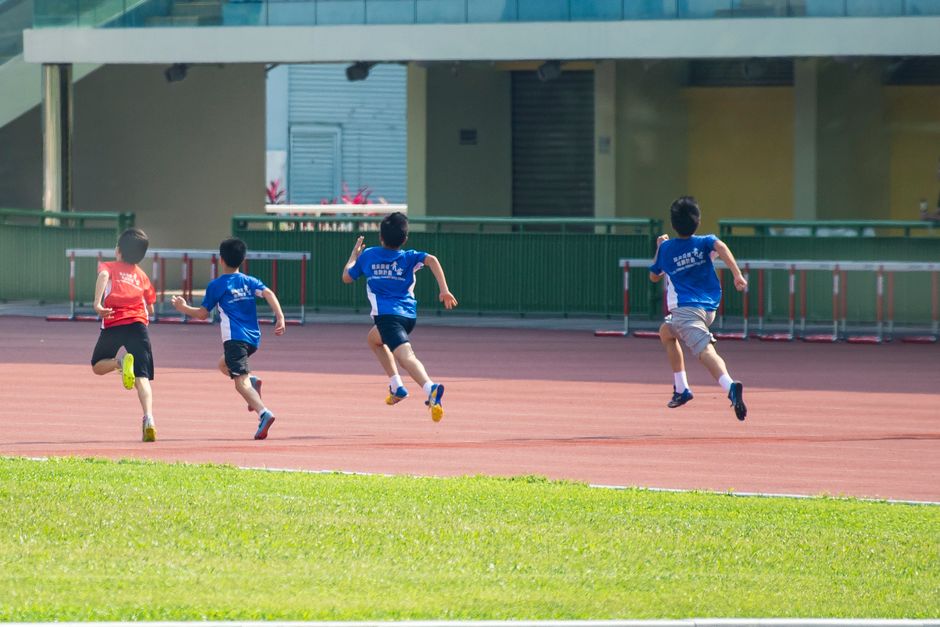
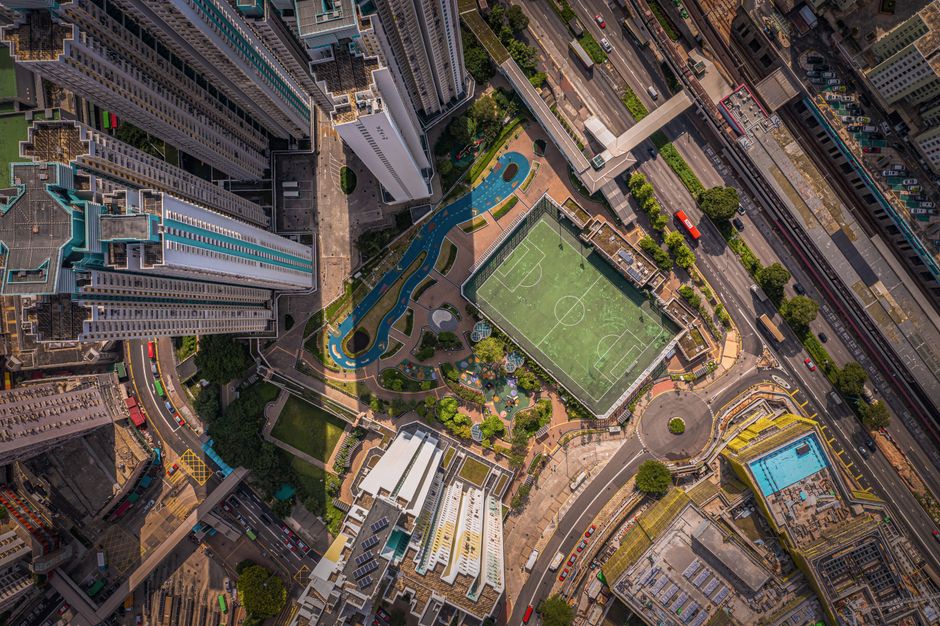
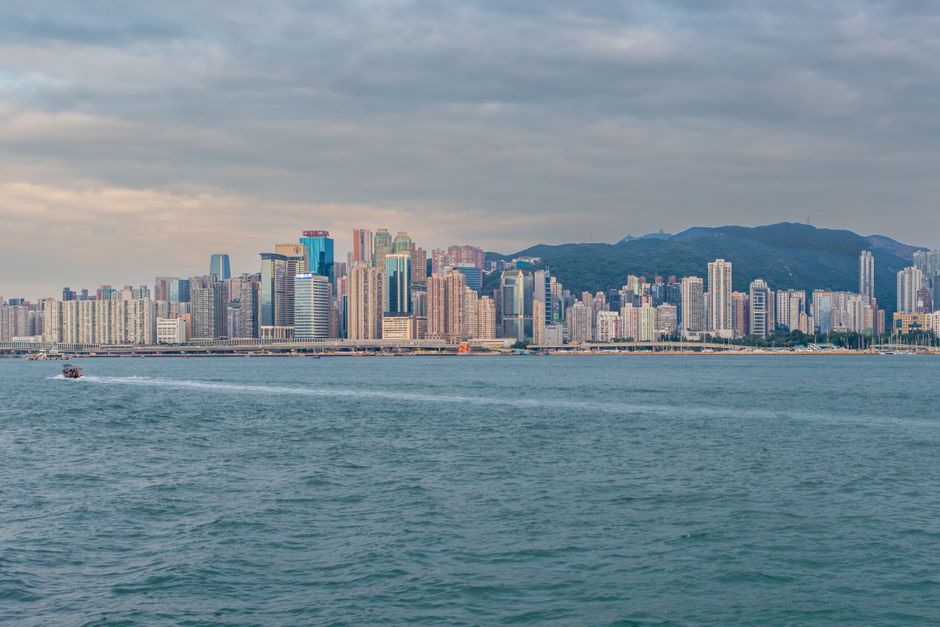
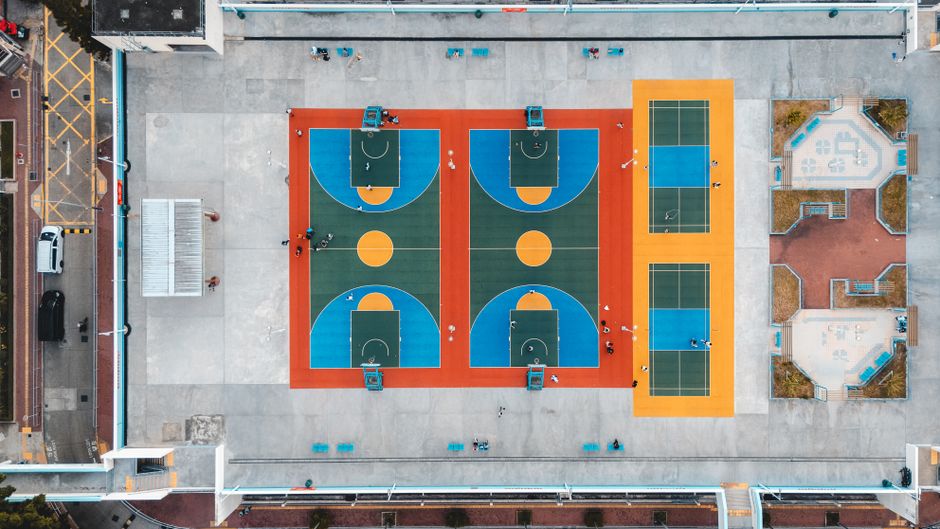
On any Tuesday evening, the courts at Victoria Park buzz with energy as amateur badminton players gather for league matches. These aren't elite athletes chasing sponsorships—they're accountants, teachers, and shopkeepers who have become the backbone of Hong Kong's thriving grassroots sports culture.
The numbers tell a compelling story. Participation in amateur sports clubs across Hong Kong has grown by an estimated 22% over the past three years, according to data from the Sports Federation and Olympic Committee of Hong Kong. What was once a niche activity has become a genuine community movement, with over 300 registered recreational clubs now operating across the territory—from Causeway Bay to Sha Tin, Mong Kok to Stanley.
The appeal is straightforward. A season in most amateur leagues costs between HK$800 to HK$1,500 per player, making competitive sport accessible to working professionals. In Wan Chai, the newly renovated Sports Centre has become a hub for amateur football and volleyball leagues, hosting matches four nights a week. Similar scenes play out at Kowloon Tong Sports Centre and the facilities in Tseung Kwan O.
What distinguishes this movement is its social dimension. These aren't isolated competitions. Clubs organise social events, coaching clinics, and inter-district tournaments that weave participants into tighter community networks. The Hong Kong Amateur Basketball League, for instance, comprises 40 teams drawn from neighbourhoods across the territory, creating rivalries and friendships that extend far beyond the court.
"The clubs become communities," explains one long-time participant in the Kowloon District Football League. "You develop genuine friendships, push yourself physically, and feel part of something larger than yourself." Many clubs also prioritize accessibility, offering junior divisions and family participation schemes, ensuring sport spans generations within households.
The movement has also democratised athletic opportunity. Women's participation in amateur leagues has doubled since 2023, with dedicated women's divisions now standard across badminton, football, and volleyball competitions. Age-group categories—from youth to veterans—ensure everyone finds appropriate competition levels.
Local government support has been crucial. The Leisure and Cultural Services Department allocates subsidised court time to registered clubs and provides grant funding for league administration. This infrastructure investment has been transformative, removing financial barriers that previously kept amateur sport exclusive.
As Hong Kong navigates rapid urban change, these grassroots sports movements offer something increasingly precious: authentic local community, physical wellbeing, and shared purpose. On any given evening across the territory's courts and fields, thousands of ordinary Hongkongers are proving that sport's greatest value isn't measured in medals, but in the connections it forges.
This article was compiled by AI and screened before publishing. See our editorial standards.