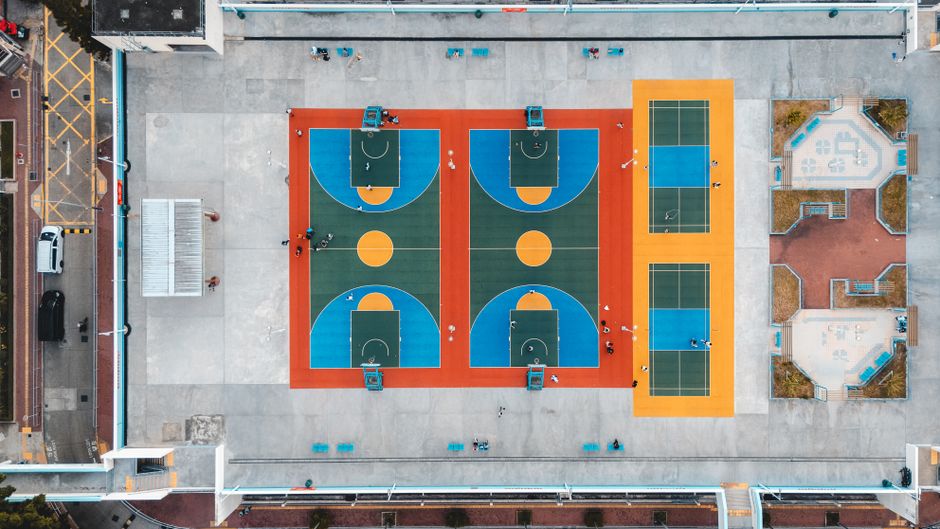
Hong Kong's football renaissance is creating an infrastructure crisis. As participation in the sport surges—particularly among youth academies across the territory—clubs and coaches are scrambling for access to pitches that simply don't exist.
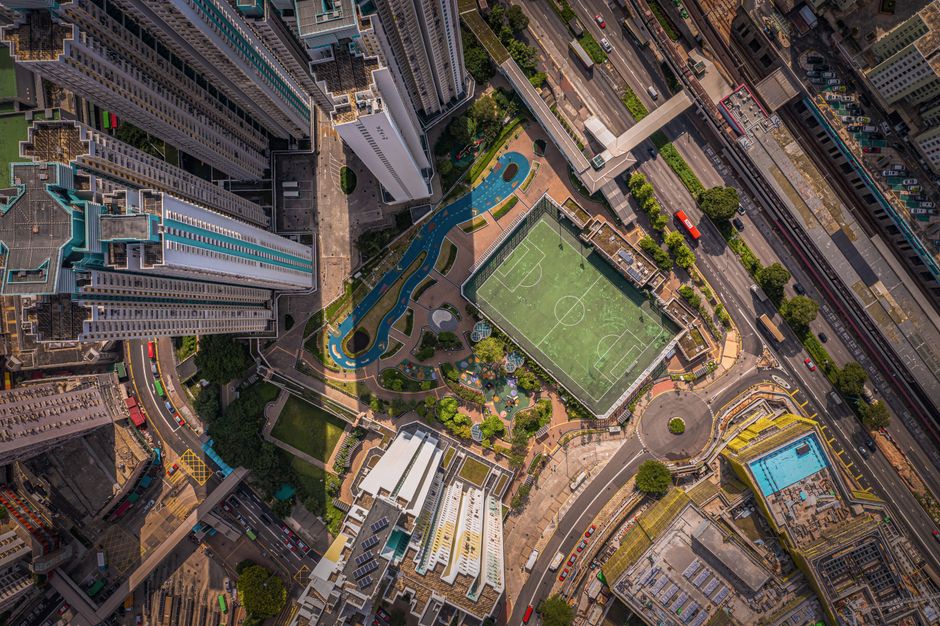
The reality is stark. Hong Kong boasts approximately 35 grass pitches and 40 artificial turf fields managed by the Leisure and Cultural Services Department, serving a population of 7.5 million and supporting over 50 licensed football clubs. The Mong Kok Stadium, situated in Kowloon's densely packed heart, remains one of the territory's premier venues, yet its 6,000-seat capacity and aging infrastructure reflect decades of deferred maintenance. Similarly, the Siu Sai Wan Sports Ground in Eastern, and Hong Kong Stadium in So Kon Po, Causeway Bay—though larger—cannot accommodate the explosion of weekend leagues and youth tournaments.
The bottleneck is particularly acute in the New Territories. Clubs competing in the Premier League and First Division often train at facilities in Tseung Kwan O and Yuen Long, where demand frequently exceeds availability. A standard pitch booking in peak hours can cost between HK$600 and HK$1,200 per session, a burden many grassroots clubs struggle to absorb.
The government's proposed Sports Hub development in Kai Tak, long delayed, promises relief. The HK$10 billion project includes plans for multiple football pitches, but realistic completion remains years away. Meanwhile, private operators have begun filling gaps—facilities like the Hong Kong Football Club in Deep Water Bay offer premium surfaces but at premium prices, limiting access for developing players from lower-income neighbourhoods.
Training quality varies dramatically across districts. Wan Chai's limited open space forces clubs into time-restricted evening slots. Conversely, the New Territories offers more availability but requires longer commutes, discouraging younger players. This geographic inequality threatens to entrench advantage among wealthier, better-resourced clubs.
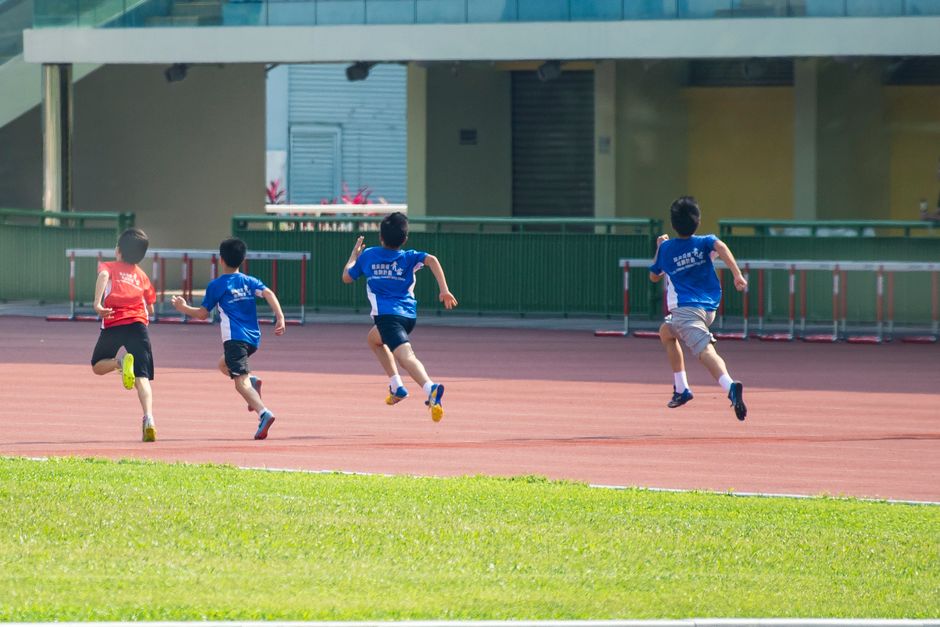
Local clubs have begun advocating for creative solutions: shared facility management with schools, conversion of underutilised sports spaces, and investment in synthetic pitches that can accommodate more matches weekly. The South China Athletic Association and Eastern Sports Club have piloted improved maintenance protocols to extend pitch lifespan, but this addresses only symptoms.
As Hong Kong's football culture continues its upward trajectory—driven by improved domestic league standards and growing youth participation—infrastructure investment cannot lag further behind. Without decisive action on new facilities and maintenance upgrades, the territory risks squandering its growing talent pool and momentum.
This article was compiled by AI from the sources linked above and screened before publishing. See our editorial standards.