Hong Kong's love affair with water sports is undeniable. From competitive swimming to dragon boat racing and open-water triathlon, the city's aquatic calendar runs year-round. Yet beneath this thriving scene lies a troubling reality: the infrastructure supporting these activities is struggling to keep pace with demand.
The Leisure and Cultural Services Department operates 44 public swimming pools across the territory, with major facilities anchoring key neighbourhoods. Victoria Park's Olympic-sized pool in Causeway Bay remains one of the most utilised venues, regularly hosting competitions and training squads. Yet many pools date back decades. The Eastern District's Tin Hau Pool, built in 1979, underwent renovations only recently, reflecting the city's delayed approach to facility upgrades.
Private clubs fill crucial gaps. The Royal Hong Kong Yacht Club in Kellett Island continues to serve sailing enthusiasts, while the Hong Kong Swimming Club's traditional facilities in Deep Water Bay cater to an exclusive membership. However, these venues' premium positioning—with memberships often exceeding HK$30,000 annually—has created an access divide that excludes many grassroots participants.
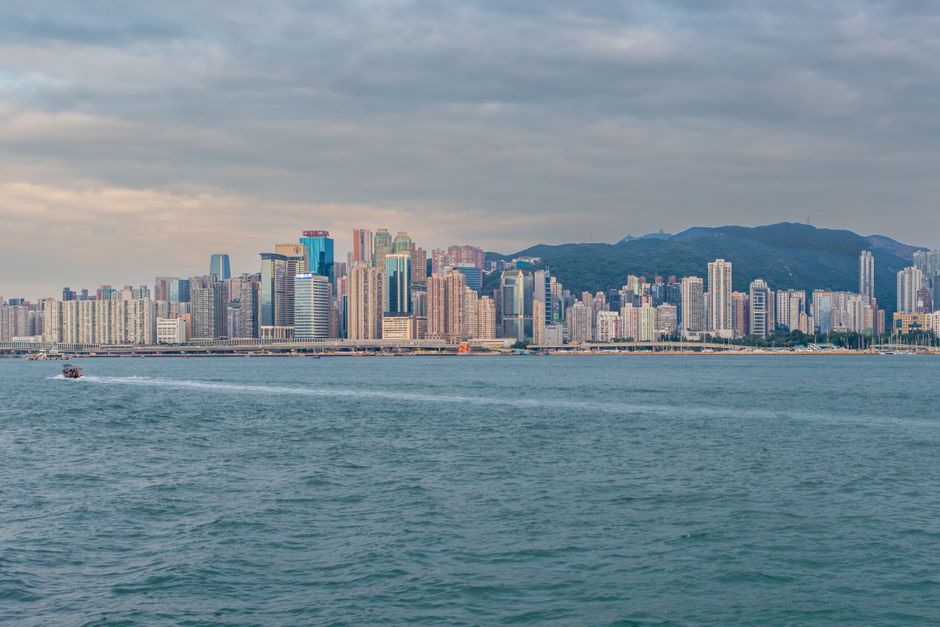
Open-water swimming presents another infrastructure challenge. Beaches like Repulse Bay and Stanley Beach host informal swimmers and organised events, yet lifeguard coverage and water safety monitoring remain inconsistent. The Hong Kong Triathlon Association has advocated for dedicated aquatic zones with improved signage and emergency response protocols, particularly across Victoria Harbour, where increasing numbers pursue long-distance training.
Dragon boat racing, deeply woven into local culture, depends heavily on the Tolo Harbour venue in Sha Tin and scattered coastal locations. Yet pollution concerns and competing maritime interests have constrained expansion of dedicated racing infrastructure.
The Sports Commission acknowledged in its 2025-26 strategic review that aquatic facility capacity lags behind regional benchmarks. A proposed HK$2.8 billion redevelopment programme aims to modernise eight pools over the next five years, prioritising districts like Wong Tai Sin and Kwai Tsing—areas currently underserved by quality facilities.
Investment alone won't solve systemic issues. Better coordination between government departments, private operators, and sports bodies is essential. The upcoming hosting of regional swimming championships offers an opportunity to evaluate infrastructure readiness and demonstrate commitment to sustainable aquatic sports development across all socioeconomic groups.
This article was compiled by AI from the sources linked above and screened before publishing. See our editorial standards.